How the used vehicle import process works
As a trade buyer, you typically start by identifying a source market where the desired model is available. For a used Volkswagen Passat for sale, you would work with a dealer or exporter in that market. The exporter provides vehicle details, photos, and condition reports. You then agree on terms, make payment, and arrange shipping to your destination port. The process involves documentation, customs clearance, and final delivery to your facility.
Each step requires careful coordination. You must verify the vehicle's specifications match your market requirements, such as left-hand drive for many African and Middle Eastern countries. Shipping and customs procedures vary by destination, so you need to understand local regulations. A reliable exporter will guide you through the paperwork, but as the importer, you remain responsible for compliance and duties.
Key checks before you commit
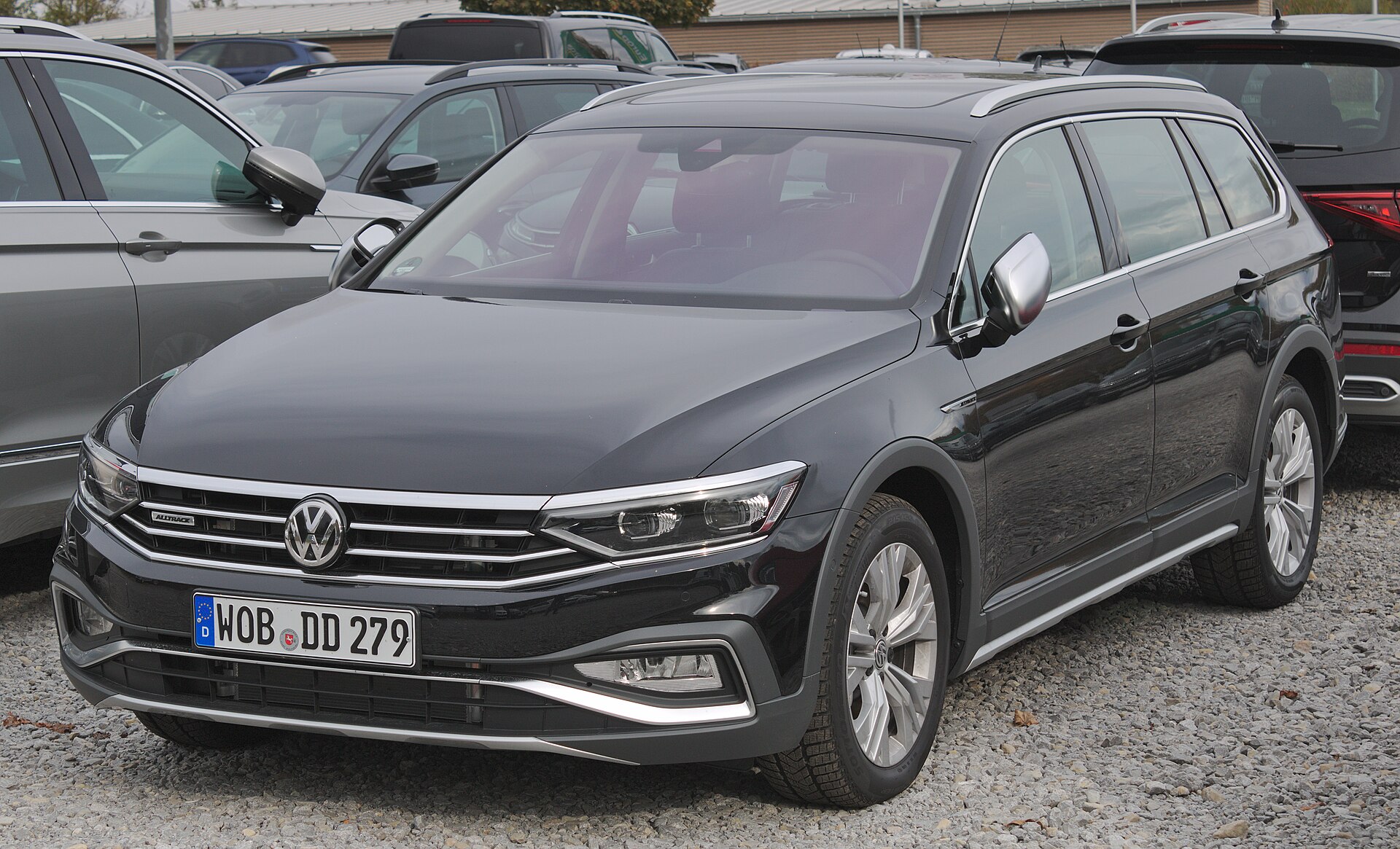
Before purchasing, request a detailed inspection report. For a 2019 Volkswagen Passat with 73,000 km, automatic transmission, and diesel engine, check for service history, accident damage, and wear on components like the transmission and suspension. Verify the mileage through available records. Ensure the vehicle is left-hand drive if your market requires it. Also confirm the sedan category meets your buyers' preferences.
Inspect all documents: title, export certificate, and any maintenance records. Cross-check the VIN and engine numbers. Ask for undercarriage photos and a cold-start video. If possible, hire a third-party inspector in the source country. These steps help you avoid hidden problems that could affect resale value or usability in your market.
Common pitfalls that catch buyers out
Many buyers focus on price and overlook condition details. A low price may indicate previous accident damage or mechanical issues. Another trap is mismatched specifications: a vehicle that is right-hand drive when your market needs left-hand drive, or a petrol engine when diesel is preferred. For the Passat, confirm the fuel type and drive configuration before purchase.
Documentation errors can delay customs clearance or lead to penalties. Ensure all papers are consistent and complete. Shipping delays and unexpected port fees can also erode margins. Buyers sometimes forget to account for these costs when calculating landed price. Always budget for contingencies and verify all charges upfront with your freight forwarder.
How to find the right Passat and verify costs
To find a used Volkswagen Passat for sale, search reputable online marketplaces and dealer networks in source countries. Filter by year, mileage, transmission, fuel, and drive type. Request multiple quotes to compare. For a 2019 model with 73,000 km, automatic, diesel, left-hand drive, expect variations in condition and history. Ask for detailed photos and reports before making an offer.
When calculating costs, include the vehicle price, export fees, shipping, insurance, import duties, and local taxes. These vary by destination, so consult a customs broker in your country. Do not rely on estimates from the seller alone. Get written quotes for all logistics. This helps you set a realistic resale price and avoid losses.
Frequently asked questions
- What should I check on a used Volkswagen Passat before importing?
- Verify the service history, accident records, and current condition. Confirm the specifications match your market, such as left-hand drive and diesel fuel.
- How do I avoid hidden costs when importing a used car?
- Request a full breakdown of all fees from the exporter and freight forwarder. Include customs duties, taxes, and port charges in your budget.
- Is a left-hand drive Passat suitable for my market?
- It depends on your country's driving side. Many African, Middle Eastern, and CIS countries require left-hand drive, so verify local regulations before purchase.