How the import process works for a used Elantra
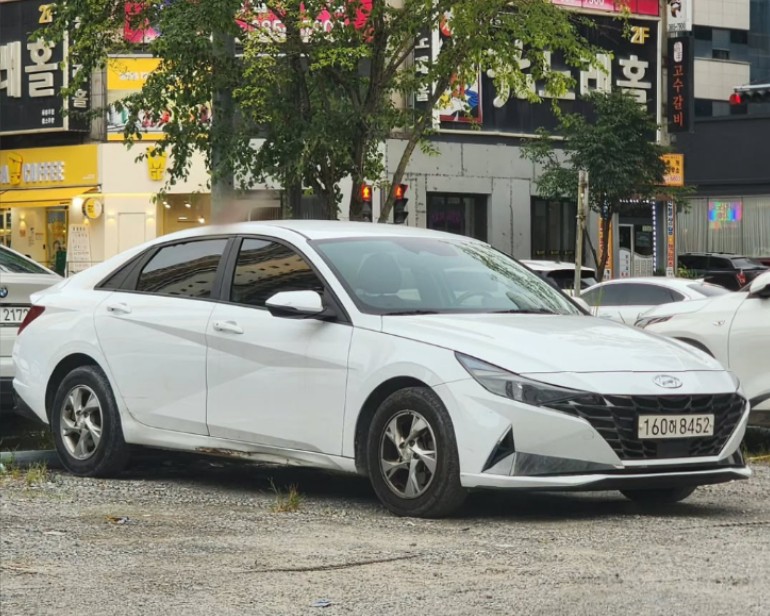
When you see a used Hyundai Elantra for sale from an export dealer, the process starts with confirming the vehicle details. For a 2021 Elantra with 31,000 km, automatic transmission, petrol engine, left-hand drive and sedan body, you should verify these match the listing. The dealer then provides documents for export, and you arrange shipping to your port. Your local customs broker handles clearance and duty payment based on your country's rules for used vehicles.
After the vehicle arrives, you or your agent inspect it before clearing customs. Any damage found during shipping must be documented for insurance. Once cleared, you can sell or use the Elantra. Remember that import regulations vary by country, so check age limits, emission standards and inspection requirements before buying. The dealer cannot guarantee clearance in your country, so you must confirm eligibility first.
Key checks before you commit to buy
Always request the vehicle identification number and a history report. For a 2021 Elantra with 31,000 km, low mileage is a plus, but verify it is genuine. Check for accident damage, odometer tampering and flood damage. Ask for photos of the undercarriage, engine bay and interior. If possible, hire a third-party inspector in the export country to view the car. Do not rely only on the dealer's photos, as they may not show all flaws.
Confirm the transmission shifts smoothly and the engine has no leaks or unusual noises. Since it is a left-hand drive sedan, ensure it meets your market's steering requirements. Check that all electronics, air conditioning and safety features work. For petrol engines, ask about service records. If records are missing, factor in a full service after arrival. These checks prevent costly surprises and help you price the car correctly for your buyers.
Paperwork and compliance that catch buyers out
The most common problem is missing or incorrect export documents. You need the original title, export certificate, commercial invoice and bill of lading. For a used Elantra, ensure the title is clean and matches the VIN. Some countries require a certificate of origin or a pre-shipment inspection. If any document is wrong, customs may hold the car, causing storage fees. Always review copies before the vehicle leaves the port.
Another trap is not checking your country's import rules early. Many countries restrict the age of used vehicles, and a 2021 model may be too old for some markets. Others require specific emission standards or a roadworthiness test. If the Elantra does not comply, you may be forced to re-export or scrap it. Check with your local customs authority and a licensed broker before you pay a deposit. Do not assume the dealer knows your local rules.
Costs to calculate and common mistakes
Beyond the purchase price, you must budget for freight, insurance, customs duty, value-added tax, port charges and inland transport. These vary by country and port, so ask your freight forwarder for a quote based on the Elantra's dimensions and weight. Do not forget inspection fees and any modification needed to meet local standards, such as changing lights or adding a catalytic converter. These extras can significantly increase your landed cost.
A frequent mistake is underestimating clearance time. If documents are incomplete, the car may sit at the port for weeks, accruing demurrage. Another error is paying the full amount before seeing the original documents. Use a secure payment method and agree on a clear handover of documents. Also, confirm who handles the export clearance and who pays for it. Ambiguity here leads to disputes. Always get a written breakdown of responsibilities before transferring funds.
After arrival: inspection and resale preparation
Once the Elantra clears customs, inspect it thoroughly before offering it for sale. Check for shipping damage, fluid levels and battery condition. A 2021 model with 31,000 km may still need new tires or brakes depending on use. Wash and detail the car to present it well. If your market requires a local inspection sticker, arrange that before listing. Keep all import documents for your records and for the buyer.
For resale, highlight the Elantra's automatic transmission, petrol engine and left-hand drive configuration if that suits your market. Be transparent about its history and any repairs. Buyers in Africa, the Middle East, South America and the CIS often value sedans for fuel efficiency and parts availability. Price competitively by checking local listings for similar 2021 Elantras. Do not promise a warranty unless you can back it. A clear, honest listing builds repeat business.
Frequently asked questions
- What documents do I need to import a used Hyundai Elantra?
- You need the original title, export certificate, commercial invoice and bill of lading. Some countries also require a certificate of origin or pre-shipment inspection. Always confirm your local requirements with a customs broker.
- How can I verify the mileage on a used Elantra?
- Request a vehicle history report and check service records for consistency. A third-party inspection can also confirm the odometer reading and overall condition. Do not rely solely on the dealer's statement.
- What are common mistakes when importing a used sedan?
- Common mistakes include not checking local age or emission rules, missing documents, and underestimating port charges. Always verify compliance and get a full cost breakdown before paying. Use a reputable freight forwarder and customs broker.