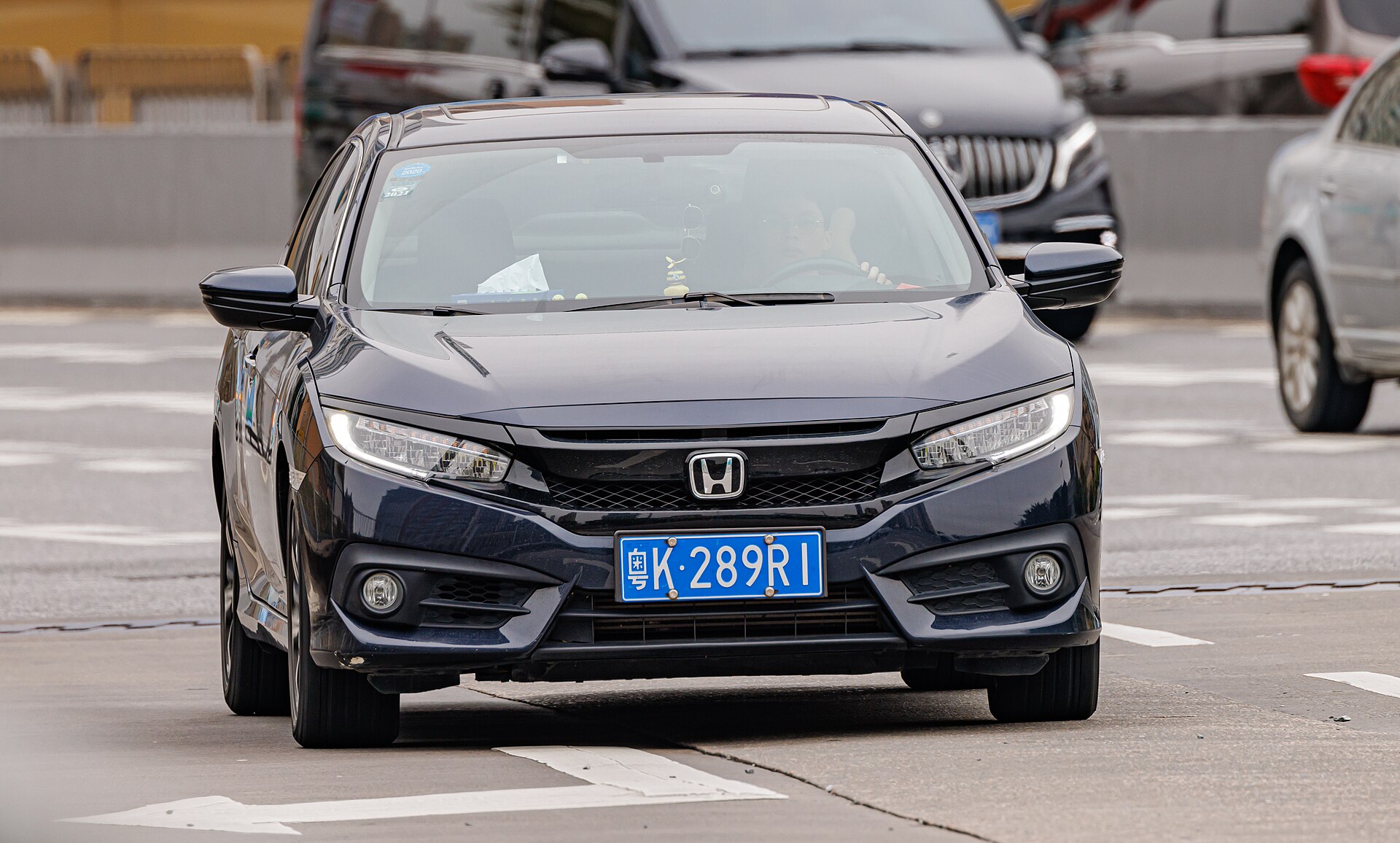
How the used Honda Civic import process works
When you see a used Honda Civic for sale from an export dealer, the process starts with confirming the vehicle details. For a 2020 Civic sedan with 48,000 km, automatic transmission, petrol engine and left-hand drive, you should verify these facts against the vehicle documents. The dealer provides photos, inspection notes and export paperwork. You then agree on payment terms, usually a deposit before shipping and the balance before release of documents. The dealer handles export clearance, and you handle import clearance in your country.
After payment, the dealer arranges loading onto a vessel. You receive a bill of lading, commercial invoice, packing list and certificate of origin. These documents are essential for customs clearance at your port. You must also check your country’s import regulations for used vehicles, including age limits, emission standards and duty rates. The dealer can share the export documents, but you are responsible for meeting local import rules. The entire process from order to arrival depends on shipping schedules, which vary by route and season.
What to check before you commit to a used Honda Civic
Start with the vehicle identification number (VIN) and ask for a history report. For a 2020 Civic with 48,000 km, low mileage is a positive sign, but you should confirm it is genuine. Check for accident damage, flood damage or odometer tampering. Request a third-party inspection if the dealer allows it. Inspect photos of the interior, exterior, engine bay and undercarriage. Look for uneven tyre wear, which can indicate alignment or suspension issues. Also confirm the transmission shifts smoothly and the air conditioning works, as these are common repair items.
Mechanically, the 2020 Honda Civic sedan is generally reliable, but you should still check for recalls. Ask the dealer for any recall documentation. Verify that the left-hand drive configuration matches your market requirements. Check the fuel type, as petrol is specified. Confirm the automatic transmission type, as some markets prefer certain variants. Also review the service history if available. If the dealer cannot provide a full history, factor in the cost of a full service and potential repairs. Do not assume the vehicle is in perfect condition based on photos alone.
Paperwork and compliance for importing a used Civic
The export dealer should provide a commercial invoice, bill of lading, packing list and certificate of origin. For a used vehicle, you may also need a export certificate or deregistration document from the origin country. Check that the VIN on all documents matches the vehicle. Your import country may require a pre-shipment inspection certificate, such as a JEVIC or similar, depending on local rules. You should confirm the exact requirements with your customs broker before shipping. Missing or incorrect documents can cause delays, storage fees or even confiscation at the port.
Import duties and taxes are based on the vehicle’s value, which you declare. Under-declaring is illegal and can lead to penalties. Over-declaring increases your costs. Work with a customs broker to determine the correct valuation. Also check if your country restricts imports of vehicles older than a certain age. A 2020 model is relatively new, but rules vary. Some countries require right-hand drive, but this Civic is left-hand drive, so confirm your market allows LHD. If not, you cannot import it. Always verify local homologation and emission standards before purchase.
Common pitfalls that catch trade buyers
One common pitfall is relying on the dealer’s description without independent verification. Photos can hide rust, paint defects or interior damage. Another is assuming the vehicle will arrive in the same condition as inspected. Shipping can cause minor damage, and insurance may not cover everything. Also, some buyers forget to budget for port charges, customs duties, clearing agent fees and inland transport. These can add significantly to the total cost. Always ask for a breakdown of all costs before you commit, and avoid dealers who are vague about fees.
Another pitfall is ignoring local regulations. For example, some countries require a certificate of conformity or a roadworthiness test before registration. If the vehicle does not meet these, you may need to modify it at your own cost. Also, be cautious about buying from dealers who cannot provide a full set of export documents. Without them, you cannot clear customs. Finally, do not assume that a low mileage vehicle has no mechanical issues. A 2020 Civic with 48,000 km may still need new brakes, tyres or a battery. Budget for a pre-delivery inspection and basic service.
How to verify details and avoid surprises
To verify the vehicle, ask the dealer for the VIN and run a history check through a reputable service. Request additional photos or a video walkaround. If possible, hire a local inspector in the export country to view the car. For the 2020 Honda Civic sedan, confirm the automatic transmission, petrol engine and left-hand drive. Check that the mileage is consistent with the interior wear. Ask for the service records. If the dealer cannot provide them, consider that a risk. Also, confirm the vehicle is not subject to any outstanding loans or liens.
For shipping, ask the dealer for the estimated departure and arrival dates, but understand these are not guaranteed. Get the name of the shipping line and the vessel. Track the vessel online. Before the vehicle arrives, prepare your import documents and engage a customs broker. Inspect the vehicle immediately upon arrival and note any damage before leaving the port. If there is damage, file a claim with the shipping line or insurance. Do not accept the vehicle without a thorough inspection. These steps help you avoid costly surprises and ensure a smoother import.
Frequently asked questions
- What documents do I need to import a used Honda Civic?
- You typically need a commercial invoice, bill of lading, packing list, certificate of origin and export certificate. Your country may also require a pre-shipment inspection certificate and customs declaration. Always confirm exact requirements with your customs broker.
- How can I verify the mileage on a used 2020 Honda Civic?
- Ask for a vehicle history report and service records that show mileage over time. An independent inspection can also check for odometer tampering and wear consistent with 48,000 km. Do not rely solely on the dealer’s statement.
- What are common hidden costs when importing a used car?
- Hidden costs include port charges, customs duties, clearing agent fees, inland transport and any repairs needed after arrival. Ask the dealer for a full cost breakdown and budget for a pre-delivery inspection and service.