How the Import Process Works
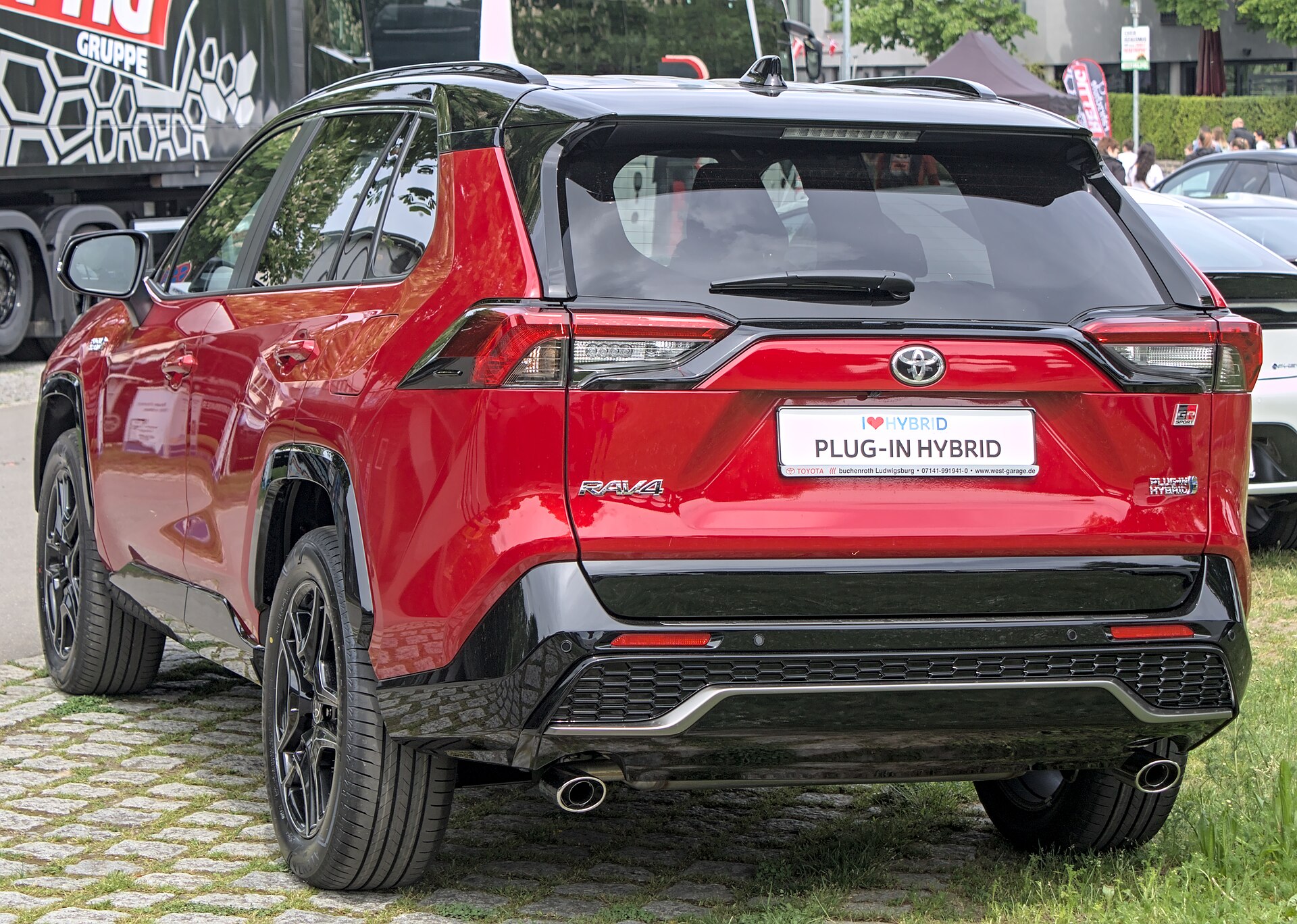
When you see a used Toyota RAV4 for sale from an export dealer, the process starts with confirming the vehicle details. For example, a 2021 RAV4 with 39,000 km, automatic transmission, hybrid fuel, left-hand drive, and SUV category is a common configuration. You then agree on terms, arrange payment, and the dealer prepares export documents. Shipping is arranged to your port, and you handle import clearance and local registration. Each step involves specific paperwork and checks.
The key stages are: verify the vehicle, sign a sales agreement, pay according to agreed terms, receive export documents, ship the vehicle, clear customs, and register it locally. As a trade buyer, you may handle multiple units, so understanding each stage helps you plan cash flow and logistics. Always ask for a proforma invoice and confirm what documents the dealer provides, such as bill of lading, commercial invoice, and certificate of origin. These are standard for most destinations.
What to Check Before You Buy
Before committing, verify the vehicle's condition and history. For a used RAV4, check the mileage, service records, and accident history if available. Since it is a hybrid, ask about the battery health and whether it has been serviced. Confirm the transmission type and drive configuration match your market requirements. For left-hand drive markets, ensure the vehicle is LHD as stated. Also check the year of manufacture and model details against the VIN. These checks prevent surprises after arrival.
Documentation is equally important. Ensure the dealer provides a certificate of origin, export certificate, and any required compliance documents for your country. Check that the VIN on the vehicle matches all paperwork. If you are importing to a country with strict emission or safety standards, confirm the RAV4 meets those or what modifications are needed. Ask for photos and a video walkaround if you cannot inspect in person. A third-party inspection can be arranged for additional assurance.
Common Pitfalls That Catch Buyers Out
One common pitfall is underestimating landed costs. Beyond the vehicle price, you pay freight, insurance, customs duties, taxes, and port charges. These vary by country and port, so calculate them using local customs guidelines or a freight forwarder. Another pitfall is incomplete documentation. Missing a certificate of origin or having a mismatch in VIN can delay clearance and incur storage fees. Always review document requirements for your destination before shipping.
Another issue is assuming the vehicle will be in perfect condition. Used vehicles may have minor wear or require servicing. For a hybrid, the battery may need attention. Also, some buyers expect a warranty or return policy, but used vehicle exports often sell as-is. Clarify what after-sales support, if any, the dealer offers. Finally, shipping delays can happen, so plan for buffer time. Communicate with your dealer and freight forwarder regularly to avoid surprises.
How to Calculate Your Costs and Plan
To estimate your total cost, start with the vehicle price from the dealer. Then add freight to your port, which you can get from a freight forwarder. Next, estimate customs duties and taxes based on your country's tariff for used SUVs and hybrid vehicles. Include port handling, clearance fees, and inland transport. Also budget for any repairs or servicing needed. Since rates vary, request quotes from several forwarders and check with local customs for accurate duty rates.
For a 2021 Toyota RAV4 hybrid, consider that hybrid vehicles may have different duty rates or incentives in some countries. Check local regulations. Also, factor in the cost of converting or adapting the vehicle if required, such as for lighting or emissions. Keep a contingency for unexpected fees. As a trade buyer, buying multiple units can reduce per-unit freight, but confirm with your forwarder. Always get a detailed breakdown before finalizing your purchase.
Making the Most of Your Import
To succeed, build relationships with reliable dealers and freight forwarders. Ask for references and verify their track record. For the RAV4, its popularity means parts and service are widely available, which can be a selling point to your customers. When advertising, highlight the hybrid fuel efficiency and automatic transmission. Ensure you have clear title and can transfer ownership smoothly. Keep copies of all documents for your records and for resale.
Finally, stay informed about import regulations in your market. Rules change, and what worked last year may not work now. Join trade associations or online groups to share experiences. If you are new to importing, start with one unit to learn the process. Use the checklist approach: verify vehicle, documents, costs, and logistics. With careful planning, importing a used Toyota RAV4 can be a profitable addition to your inventory.
Frequently asked questions
- What documents should I expect when importing a used Toyota RAV4?
- You should receive a bill of lading, commercial invoice, certificate of origin, and export certificate. Check that all documents match the vehicle's VIN and your country's import requirements.
- How can I verify the condition of a used RAV4 before shipping?
- Ask the dealer for detailed photos, video, and service records. If possible, arrange a third-party inspection to confirm mileage, hybrid battery health, and overall condition.
- What costs are involved beyond the vehicle price?
- Additional costs include freight, insurance, customs duties, taxes, port charges, and inland transport. Request quotes from freight forwarders and check with local customs for accurate duty rates.