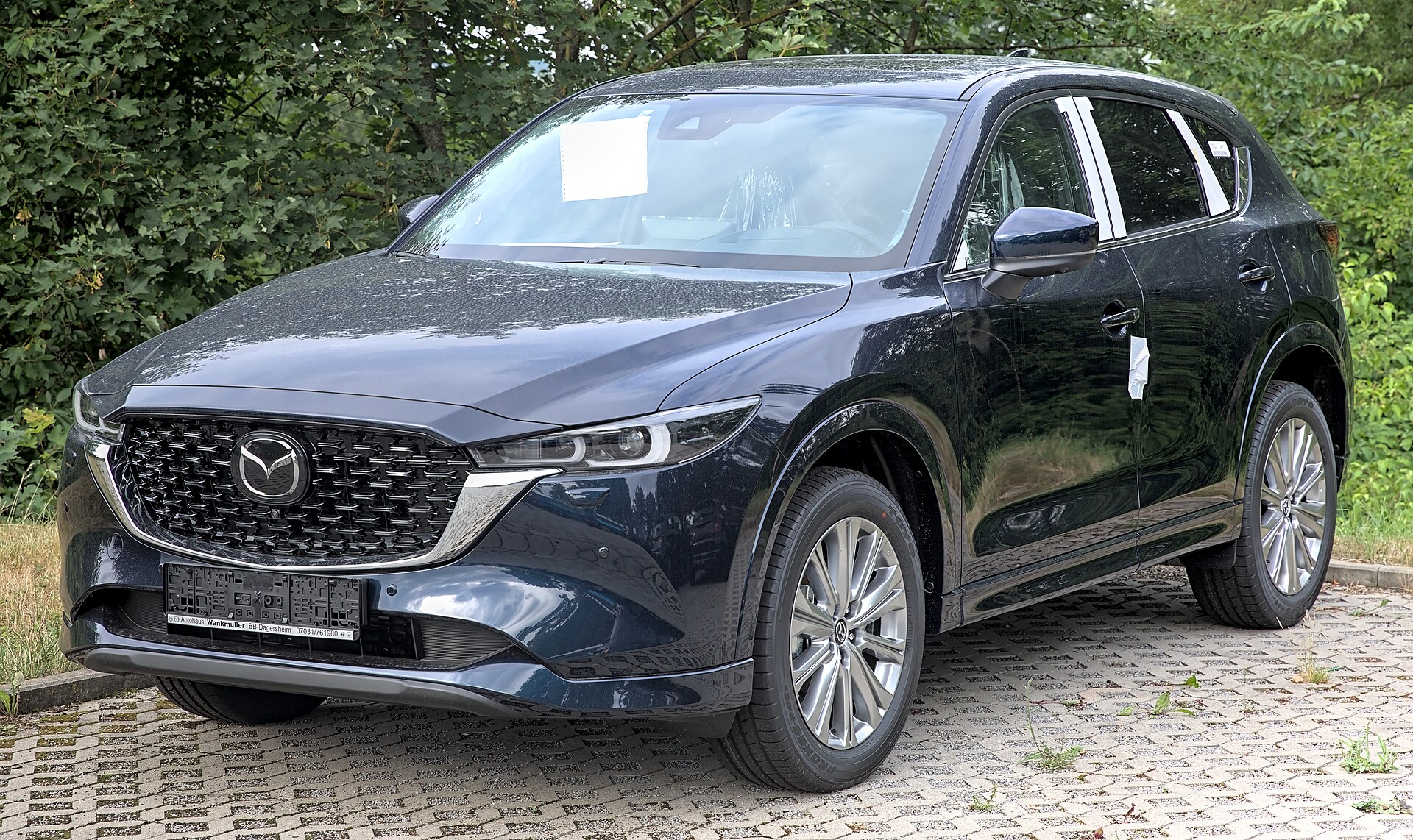
How the used vehicle import process works
When you search for a used Mazda CX-5 for sale, you are likely looking at a vehicle located in China. The typical process starts with you selecting a vehicle from a dealer or exporter. You then agree on terms, pay a deposit, and the exporter arranges inland transport to a port. From there, the vehicle is loaded onto a vessel for shipment to your destination port. You or your customs broker handle import clearance and final delivery.
For a 2019 Mazda CX-5 with 67,000 km, automatic transmission, petrol, left-hand drive, and SUV category, the key documents usually include the certificate of title, export license, commercial invoice, packing list, and bill of lading. Some destinations also require a certificate of origin or pre-shipment inspection. Always confirm the exact document set with your customs broker before payment, as requirements vary by country.
What to check before you commit
Start with the vehicle identification number (VIN) and ask for a full history report if available. For a used Mazda CX-5, check for accident damage, odometer tampering, and service records. Since the vehicle is left-hand drive and petrol, confirm it meets your country's emission and safety standards. Many importers get caught out by local regulations that restrict older vehicles or require modifications.
Inspect photos and videos carefully. Ask for specific shots of the engine bay, undercarriage, tires, and interior wear. For a 2019 model with 67,000 km, expect some wear, but major issues like rust or transmission problems should be flagged. If you cannot inspect in person, consider hiring a third-party inspector in China. Do not rely solely on the seller's description, as cosmetic fixes can hide bigger problems.
Costs that catch buyers out
The purchase price is only part of your landed cost. You must budget for inland transport in China, export documentation, ocean freight, marine insurance, and port charges at both ends. On arrival, you will pay customs duty, value-added tax or sales tax, and possibly a registration fee. These charges vary widely by country, so ask your broker for a full breakdown before you buy.
Currency fluctuations can also affect your final cost. If you agree a price in US dollars but your local currency weakens, your effective cost rises. Similarly, demurrage and detention fees at the port can add up if clearance is delayed. Always factor in a contingency buffer. For a used Mazda CX-5, get quotes for each cost component in writing so you can compare total landed cost, not just the vehicle price.
Common pitfalls for trade buyers
One frequent mistake is assuming that a vehicle meeting your home country's rules will automatically clear customs. For example, some countries require a pre-shipment inspection certificate from a specific agency. Without it, the vehicle may be held or rejected. Another pitfall is buying without a clear title. If the exporter cannot provide a clean title, you risk losing the vehicle or facing legal issues.
Payment terms are another trap. Sending a large deposit to an unknown seller is risky. Use secure payment methods and consider an escrow service if available. Also, confirm the vehicle's left-hand drive configuration matches your market. Some buyers accidentally order right-hand drive models. Finally, do not assume spare parts are readily available. For a Mazda CX-5, check local parts supply before committing, as waiting for parts can delay fleet deployment.
How to verify a specific vehicle
When you find a used Mazda CX-5 for sale, ask the seller for the VIN and a copy of the registration document. You can then verify the VIN with a third-party service to check for theft, salvage, or accident history. For the 2019 model with 67,000 km, confirm the mileage through service records or diagnostic tools. If the seller cannot provide these, treat the vehicle with caution.
Request a video walkaround and a cold-start video. Listen for unusual engine noises or transmission hesitation. Since the vehicle is petrol and automatic, check for smooth shifting during a test drive if possible. If you are buying remotely, ask for a pre-purchase inspection by a local mechanic. Always get a written condition report. This helps you avoid surprises and gives you a basis for negotiation or rejection if the vehicle does not match the description.
Frequently asked questions
- What documents do I need to import a used Mazda CX-5?
- You typically need the original title, export license, commercial invoice, packing list, and bill of lading. Some countries also require a certificate of origin or pre-shipment inspection. Confirm the exact list with your customs broker.
- How can I check if a used Mazda CX-5 has been in an accident?
- Ask for the VIN and obtain a vehicle history report from a third-party service. Also request service records and a pre-purchase inspection. Photos and videos can help, but a professional inspection is more reliable.
- What costs are involved beyond the vehicle price?
- You must budget for inland transport, export documentation, ocean freight, insurance, port charges, customs duty, and taxes. These vary by country, so get a full landed cost breakdown from your broker before buying.