How the import process works
When you search for a used Toyota Land Cruiser 200 for sale, you are looking at a vehicle that is popular in Africa, the Middle East, South America and the CIS. The import process starts with identifying a unit that matches your market requirements. You then agree terms with the seller, arrange payment, and organise shipping. Each step involves documents such as the bill of lading, commercial invoice and certificate of origin. The exact requirements depend on your destination country, so confirm them with a local customs broker before you commit.
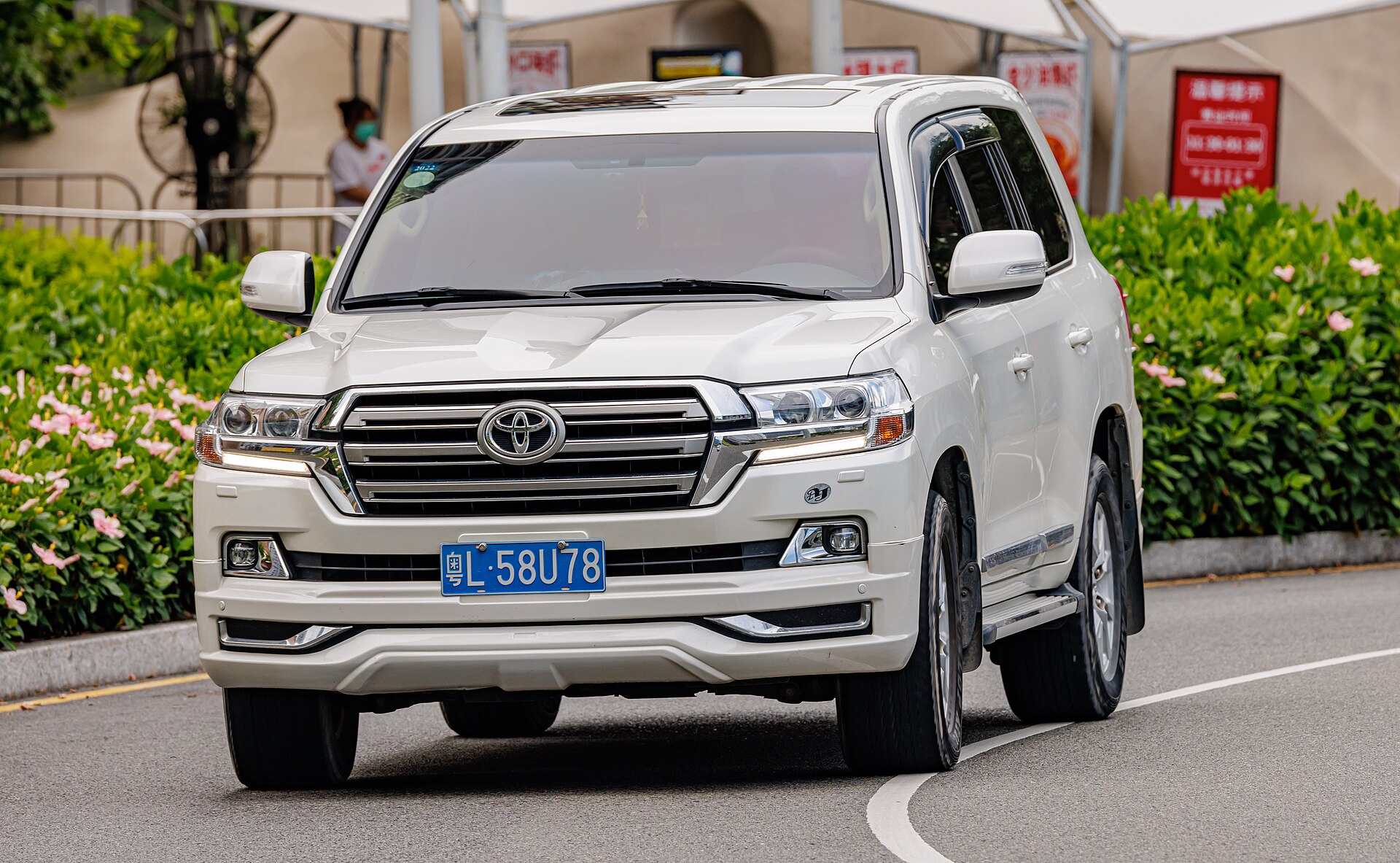
The vehicle facts for this example are a 2018 Toyota Land Cruiser 200 with 96,000 km, automatic transmission, diesel fuel, left-hand drive and SUV category. These details matter because they affect eligibility in your market. For instance, some countries restrict older vehicles or require right-hand drive. Always verify the year, mileage and drive type against your import regulations. Do not assume that a listing photo or a verbal description is enough. Ask for the vehicle identification number and check it against the documents.
What to check before you buy
Before you pay, inspect the vehicle history and condition. For a used Land Cruiser 200, focus on the diesel engine, automatic transmission and four-wheel-drive system. These components are expensive to repair. Request a pre-purchase inspection from a third party in the country of sale. The inspection should cover the frame, undercarriage, engine compression, transmission function and electronic systems. Also check the mileage against service records. A 2018 model with 96,000 km is plausible, but you need evidence that the odometer has not been tampered with.
Documentation is equally important. Confirm that the vehicle has a clear title and is not stolen or under lien. Check that the VIN on the chassis matches the paperwork. For export, you will need the original registration certificate, export permit and customs declaration. Some buyers get caught out by missing or mismatched documents. If the seller cannot provide these, walk away. Also verify that the vehicle meets your country's emissions and safety standards. A left-hand drive diesel SUV may be fine in one market but restricted in another.
Common pitfalls for trade buyers
One common pitfall is underestimating the total landed cost. The purchase price is only part of the expense. You must add freight, insurance, customs duties, taxes, port charges and inland transport. These vary by destination and can significantly change your margin. Do not rely on a single quote from a freight forwarder. Get at least two or three quotes and ask what is included. Also consider currency fluctuations. A change in exchange rates between payment and delivery can erode your profit. Build a buffer into your budget.
Another pitfall is buying without a physical or independent inspection. Photos can hide rust, accident damage or mechanical faults. For a Land Cruiser 200, check for corrosion in the underbody and around the rear wheel arches. These vehicles are often used in harsh conditions. Also test the automatic transmission for smooth shifting and the diesel engine for excessive smoke. If you cannot inspect in person, hire a local inspector. Do not rely on the seller's assurance alone. A small inspection fee can save you from a costly mistake.
After the vehicle arrives
Once the vehicle reaches your port, clear it through customs promptly. Delays can incur storage fees. Have your customs broker ready with all documents. After clearance, arrange transport to your yard or customer. Before resale, perform a full service and any necessary repairs. For a used Land Cruiser 200, change the oil, filters and fluids. Check the brakes, tyres and suspension. A well-serviced vehicle commands a better price and reduces comebacks. Keep records of the work done. This helps build trust with your buyers.
Finally, understand your market's demand. The Land Cruiser 200 is known for durability, but buyers in different regions have different preferences. Some want left-hand drive, others right-hand drive. Some prefer diesel for fuel economy, others petrol for availability. Use the vehicle facts you have and match them to local demand. If you are unsure, ask local dealers what sells. Do not import a specification that sits unsold. The goal is to move inventory, not just to acquire a vehicle.
Frequently asked questions
- What documents do I need to import a used Toyota Land Cruiser 200?
- You typically need the original registration certificate, export permit, commercial invoice, bill of lading and certificate of origin. Requirements vary by country, so confirm with a customs broker in your destination market.
- How can I verify the mileage on a used Land Cruiser 200?
- Check the service records and ask for a pre-purchase inspection that includes odometer verification. A 2018 model with 96,000 km should have consistent maintenance history and wear patterns.
- What are the main risks when buying a used Land Cruiser 200 for export?
- The main risks include hidden mechanical faults, mismatched documents and unexpected landed costs such as duties and port fees. Always inspect independently and calculate the full cost before committing.