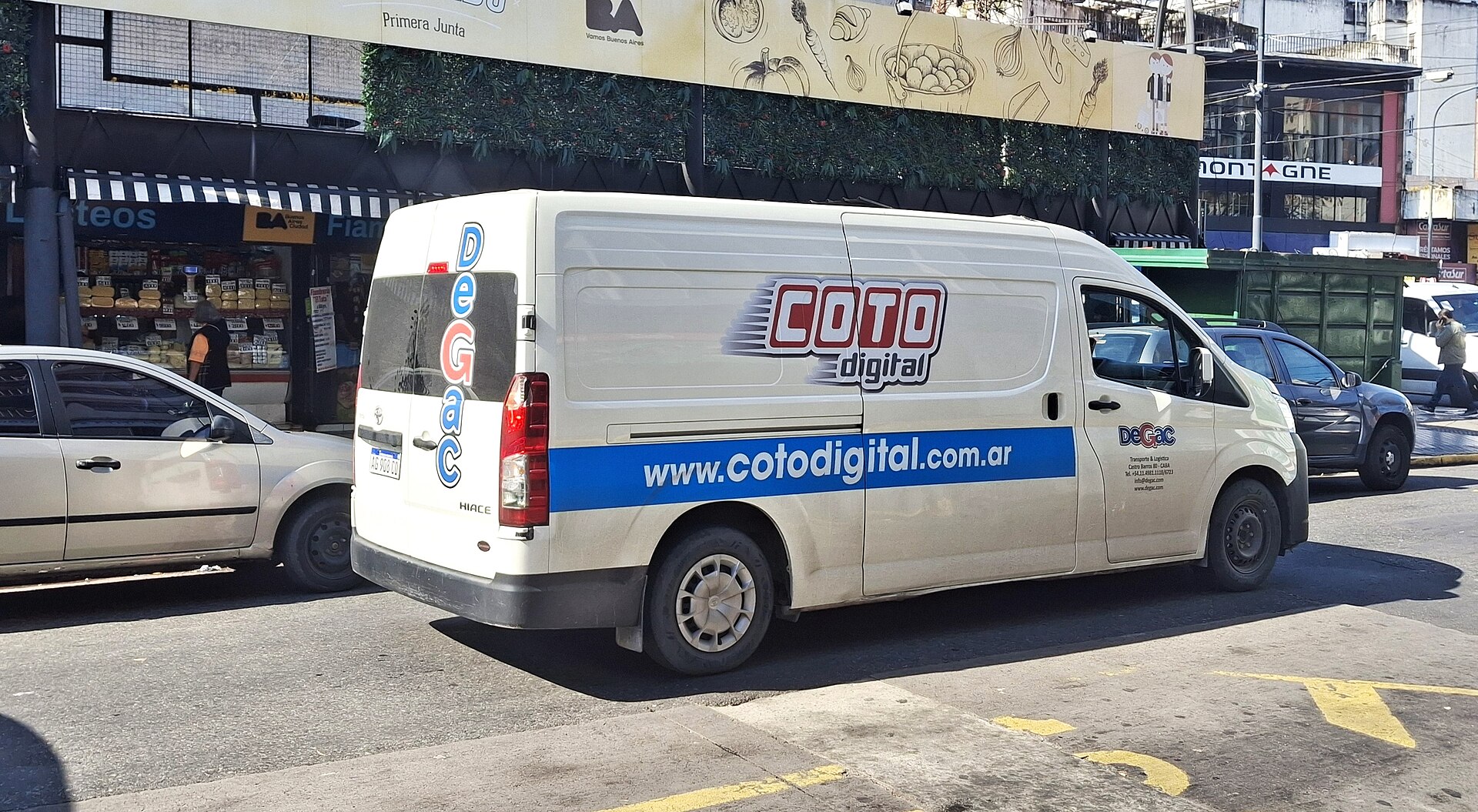
What this HiAce is and who it suits
This is a 2019 Toyota HiAce van with a diesel engine, manual transmission, left-hand drive, and 85,000 km on the odometer. It falls into the van category, which means it is built for cargo, passenger transport, or converted work use rather than personal commuting. For importers and fleet buyers in Africa, the Middle East, South America, and the CIS, the HiAce name carries weight because the model has been sold in those regions for decades. The left-hand drive layout matches markets where traffic drives on the right, so it fits naturally into fleets there.
The diesel and manual combination is the workhorse specification. Diesel gives better fuel economy under load than petrol, and a manual gearbox is simpler and cheaper to repair in markets where automatic transmission specialists are scarce. At 85,000 km, this van is past its first major service interval but far from worn out if maintained properly. Buyers who need a van that can take heavy daily use without needing a laptop to diagnose every fault will find this specification familiar and manageable.
What it is like to own and run
Owning a HiAce is less about luxury and more about predictability. The cabin is basic, the ride is firm when empty, and sound insulation is modest, but that is normal for this class. The diesel engine pulls well from low revs, which matters when the van is loaded or climbing. The manual gearbox has a long shift but is not vague once you are used to it. Fuel consumption depends heavily on load, tyre pressure, and driving style, so ask the seller for actual usage figures rather than relying on a brochure number.
Service intervals and fluid specifications vary by market and engine variant, so check the owner's manual or a Toyota dealer in your country before scheduling maintenance. Common wear items like brake pads, filters, belts, and clutch components are routine. The main ownership cost is not the purchase price but how you manage maintenance. If you run a fleet, set a fixed service schedule and stick to it. If you resell, a van with a clean service history and original parts will hold value better than one with unknown repairs.
Parts availability and service network
Toyota has one of the widest parts networks in the markets you sell to, and the HiAce is one of the most common vans in those regions. That means consumables like filters, brake pads, and clutch kits are usually available from independent suppliers, not just dealers. Body panels and interior trim can be harder to find for specific year models, so if you are repairing before resale, confirm availability with local breakers or parts importers first. Do not assume every part is on the shelf; check before you commit to a repair.
For service, most workshops in Africa, the Middle East, South America, and the CIS have seen a HiAce before. That familiarity reduces diagnostic time and the risk of incorrect repairs. However, diesel injection and turbocharger work still requires a specialist with the right tools. If you are buying for resale, a pre-purchase inspection by a mechanic who knows Toyota diesels is worth the cost. If you are running the van, identify a reliable diesel workshop before you need one, not after a breakdown.
Buying checks before you commit
At 85,000 km, the van should have a documented timing belt or chain service if applicable, plus evidence of oil and filter changes. Ask for the service book, receipts, and any repair invoices. Check the clutch bite point, look for blue or black smoke from the exhaust, and listen for turbo whine. Inspect the frame and underbody for rust, especially if the van came from a coastal region. Verify that the left-hand drive steering and pedals feel tight, and test the manual gearbox through all gears, including reverse.
Because you are buying to resell or run, confirm the van's paperwork matches the chassis and engine numbers. Check import regulations in your destination country for age, emissions, and left-hand drive rules before you ship. If you need a price, ask the seller for a quote based on your port and quantity; do not rely on a generic listing. For lead times and freight, contact your freight forwarder directly. These numbers change by route and season, so get them in writing for your specific order.
Resale and fleet use considerations
The HiAce holds resale value well in most of the markets you serve because operators know the model and trust it. A diesel manual left-hand drive van is easier to sell to commercial buyers than a petrol automatic, especially for route work, school transport, or cargo delivery. If you are a fleet buyer, standardising on one model reduces spare parts inventory and mechanic training. If you are a dealer, a clean 2019 HiAce with 85,000 km and a full service history is a straightforward listing that does not need exaggerated claims to move.
Before you finalise any purchase, calculate your total landed cost: vehicle price, freight, insurance, import duty, VAT, and any inspection or registration fees. These vary by country, so use a customs broker in your destination market to get accurate figures. Then compare that landed cost to local retail prices for similar vans. If the margin works, proceed. If not, walk away. The HiAce is a reliable tool, but it is not magic; the profit is in the buying, shipping, and paperwork, not in the badge alone.
Frequently asked questions
- Is the 2019 Toyota HiAce diesel manual good for fleet use?
- Yes, the diesel manual layout is simple and durable for high-mileage commercial work. It is easier to service in markets where automatic transmission specialists are scarce.
- How do I check parts availability for this HiAce before importing?
- Contact local parts importers or breakers in your destination country and ask for common consumables like filters, brake pads, and clutch kits. Confirm availability for the specific year and engine variant before you commit.
- What should I inspect on an 85,000 km HiAce before buying?
- Check the service history, clutch operation, exhaust smoke, turbo function, and underbody rust. Also verify chassis and engine numbers match the paperwork and that the left-hand drive controls feel tight.