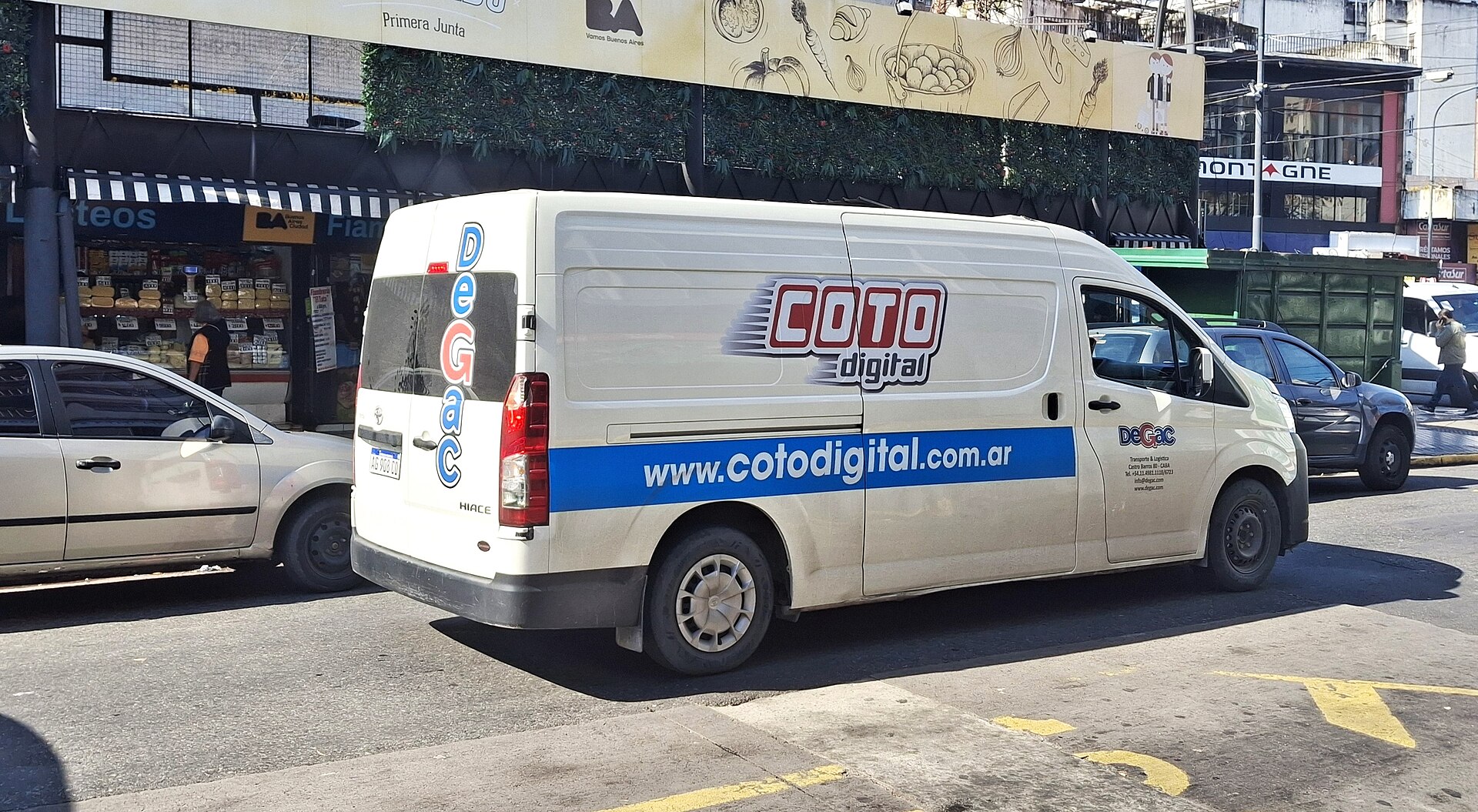
Start with a clear enquiry for the Toyota HiAce
When you search for a Toyota HiAce price, begin by writing a specific enquiry. State that you are looking for a 2019 Toyota HiAce van with 85000 km, manual transmission, diesel fuel, left-hand drive. Ask the seller to confirm the vehicle matches these details. A clear enquiry helps you avoid confusion later. Do not assume every listing is the same. Ask for the vehicle identification number and photos of the actual van.
In your enquiry, ask what the price includes and what it does not. For example, does it cover export documents, loading, or freight? Since you do not have a price yet, ask the seller to quote in writing. Also ask how long the vehicle can be held after payment. These answers will help you compare offers. Remember that the final cost depends on your destination and customs duties, which you must check separately.
Inspection and verification before you pay
Before paying, arrange an inspection of the Toyota HiAce. If you cannot inspect in person, ask for a live video walkaround or a third-party inspection report. Check the mileage, transmission, fuel type, and drive side against the facts you were given. Look for rust, accident damage, or engine problems. Ask for close-up photos of the dashboard, engine bay, and undercarriage. Do not rely only on small photos.
Ask the seller to confirm the van is left-hand drive, as this matters for many markets. Verify the year is 2019 and the mileage is 85000 km. If the seller cannot show these details, treat the offer with caution. You should also ask whether the van has any known mechanical issues. A thorough inspection reduces the risk of buying a vehicle that does not match your expectations.
Payment, loading and documents for the van
Once you are satisfied, discuss payment terms in writing. Common methods include bank transfer or letter of credit, but you must agree on what is acceptable. Ask for a proforma invoice that lists the vehicle details, price, and any extra charges. Do not send money until you have a signed contract or invoice. Keep records of every payment. Never pay in cash without a receipt.
After payment, the seller will arrange loading onto a vessel. Ask for photos of the van being loaded and the container number. You will need documents such as the bill of lading, commercial invoice, packing list, and certificate of origin. The seller should provide these. Check that the vehicle identification number on the documents matches the van. Missing or incorrect documents can delay customs clearance at your port.
Customs clearance and receiving your HiAce
When the vessel arrives, you or your customs broker must clear the van. Requirements vary by country, so check with your local customs authority. You will likely need the bill of lading, invoice, and certificate of origin. Some countries also require an import permit or inspection certificate. Ask your broker what is needed before the ship arrives. Missing paperwork can lead to storage fees or fines.
After customs release, arrange transport to your yard or customer. Inspect the van immediately for any damage during shipping. Compare the condition with the pre-shipment photos. If there is damage, report it to the seller and your insurance company. Keep all documents for your records. For future orders, note what went well and what caused delays. This step-by-step process helps you avoid common mistakes.
Frequently asked questions
- How do I find the current Toyota HiAce price for a 2019 diesel van?
- Ask several sellers for a written quote that includes the vehicle details and any extra charges. Compare those quotes and check your local customs duties to estimate the total landed cost.
- What documents do I need to import a Toyota HiAce?
- You will typically need a bill of lading, commercial invoice, packing list, and certificate of origin. Your local customs authority may require additional documents, so confirm with a broker before shipment.
- Can I inspect the van before paying?
- Yes, you should always arrange an inspection or a live video walkaround before payment. Ask for close-up photos and a third-party report if you cannot inspect in person.