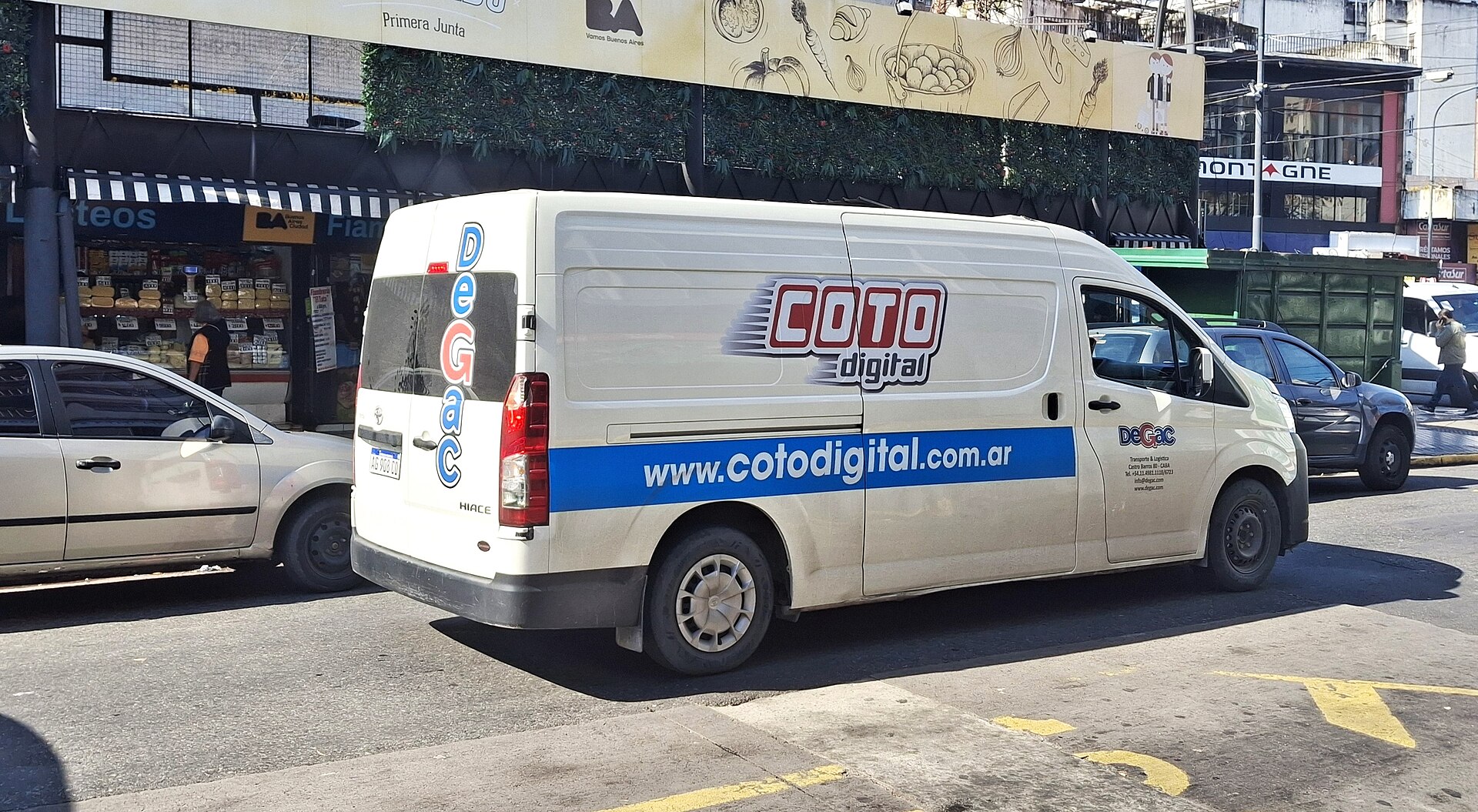
What the 2019 HiAce Is Like to Own
The Toyota HiAce is a van that has built a long-standing reputation for durability and straightforward operation. This 2019 model with a manual transmission and diesel engine is left-hand drive, which suits markets in Africa, the Middle East, South America and the CIS. With 85,000 km on the odometer, it is past the initial break-in period but still has plenty of useful life for commercial work. Buyers should expect a vehicle that prioritises function over luxury, with a cabin designed for long hours and easy cleaning.
Ownership costs are generally predictable because the HiAce is a common commercial vehicle in many regions. The diesel engine is known for fuel efficiency under load, and the manual gearbox is simple to maintain. However, as with any used van, condition matters more than the badge. Inspect the suspension, brakes and clutch carefully, as these wear items can be costly if neglected. For fleet buyers, the HiAce's familiar layout means drivers can adapt quickly, reducing downtime.
Service and Maintenance Practicalities
Servicing a 2019 HiAce diesel is straightforward for most workshops familiar with Toyota commercial vehicles. The engine bay is accessible, and routine tasks like oil changes, filter replacements and belt inspections do not require specialised tools. The manual transmission has no complex electronics, so clutch and gearbox work is within the scope of independent garages. For importers, this means you can rely on local mechanics rather than needing dealer-only support, which is a significant advantage in markets where official service centres are sparse.
Parts availability is a key consideration. The HiAce shares many components with other Toyota models, and aftermarket suppliers often stock common wear items. However, for specific trim or body parts, sourcing may take longer depending on your location. Buyers should identify local parts suppliers before committing to a fleet. It is also wise to stock fast-moving items like filters, brake pads and belts. The 85,000 km mileage suggests some components may be due for replacement, so factor that into your resale or operating budget.
Sourcing Parts and Managing Downtime
In many export markets, Toyota parts are easier to find than those for less common brands. The HiAce benefits from this, but the 2019 model may have some generation-specific parts that are not yet widely available in aftermarket channels. Importers should establish relationships with parts suppliers in their region and verify availability for items like headlights, mirrors and suspension components. If you plan to run a fleet, keeping a small stock of high-wear parts can reduce vehicle off-road time.
Downtime is the enemy of profitability for commercial vans. Before purchase, check that the vehicle comes with a complete service history if possible. A well-documented HiAce is easier to maintain and commands better resale value. For buyers in remote areas, consider whether local mechanics have experience with this generation. If not, factor in the cost of training or sourcing technical information. The manual transmission and diesel engine are robust, but neglect can lead to expensive repairs.
Resale and Market Fit
The Toyota HiAce holds value well in most markets due to its reputation for reliability. A 2019 diesel manual with 85,000 km is an attractive proposition for buyers needing a work van that can handle daily use. In Africa, the Middle East, South America and the CIS, demand for utilitarian vans remains steady. However, resale value depends on condition, service records and local market preferences. Left-hand drive is essential in many of these regions, so this vehicle is well-suited for those markets.
When reselling, highlight the van's practicality and low running costs. Avoid overpromising on fuel economy or lifespan; instead, provide accurate maintenance records and encourage buyers to inspect the vehicle. For fleet buyers, the HiAce's simple design means drivers can be trained quickly, and repairs are less likely to require specialist knowledge. Overall, this model is a safe choice for traders who understand the importance of parts availability and serviceability.
Buying Checklist for Trade Buyers
Before committing to a purchase, verify the vehicle's condition through a thorough inspection. Check for rust, especially in coastal regions, and test the clutch and gearbox for smooth operation. Confirm that the diesel engine starts easily and does not emit excessive smoke. Since the vehicle is left-hand drive, ensure that all controls function correctly. Ask for documentation proving mileage and service history. If any of these are missing, adjust your offer accordingly.
Consider your target market's import regulations, including age limits and emissions standards. The 2019 HiAce may face restrictions in some countries, so check before shipping. Also, calculate landed costs including duties and taxes, as these vary by destination. For parts, identify local suppliers and compare prices for common items. Finally, plan for a pre-shipment inspection to avoid surprises. A well-chosen HiAce can be a profitable addition to your inventory if you do your homework.
Frequently asked questions
- Is the 2019 Toyota HiAce diesel manual easy to service in Africa?
- Yes, the HiAce is widely recognised, and many independent workshops can handle routine maintenance. However, for specific parts, you may need to source from regional suppliers, so check local availability first.
- What should I check before buying a used HiAce for resale?
- Inspect the clutch, suspension, brakes and for rust, and request service records. Confirm the left-hand drive controls work and that the diesel engine runs cleanly without excessive smoke.
- How do I find parts for a 2019 HiAce in South America?
- Contact local Toyota parts dealers and aftermarket suppliers to confirm availability for this generation. Joining trade networks or online forums can also help you locate reliable sources.