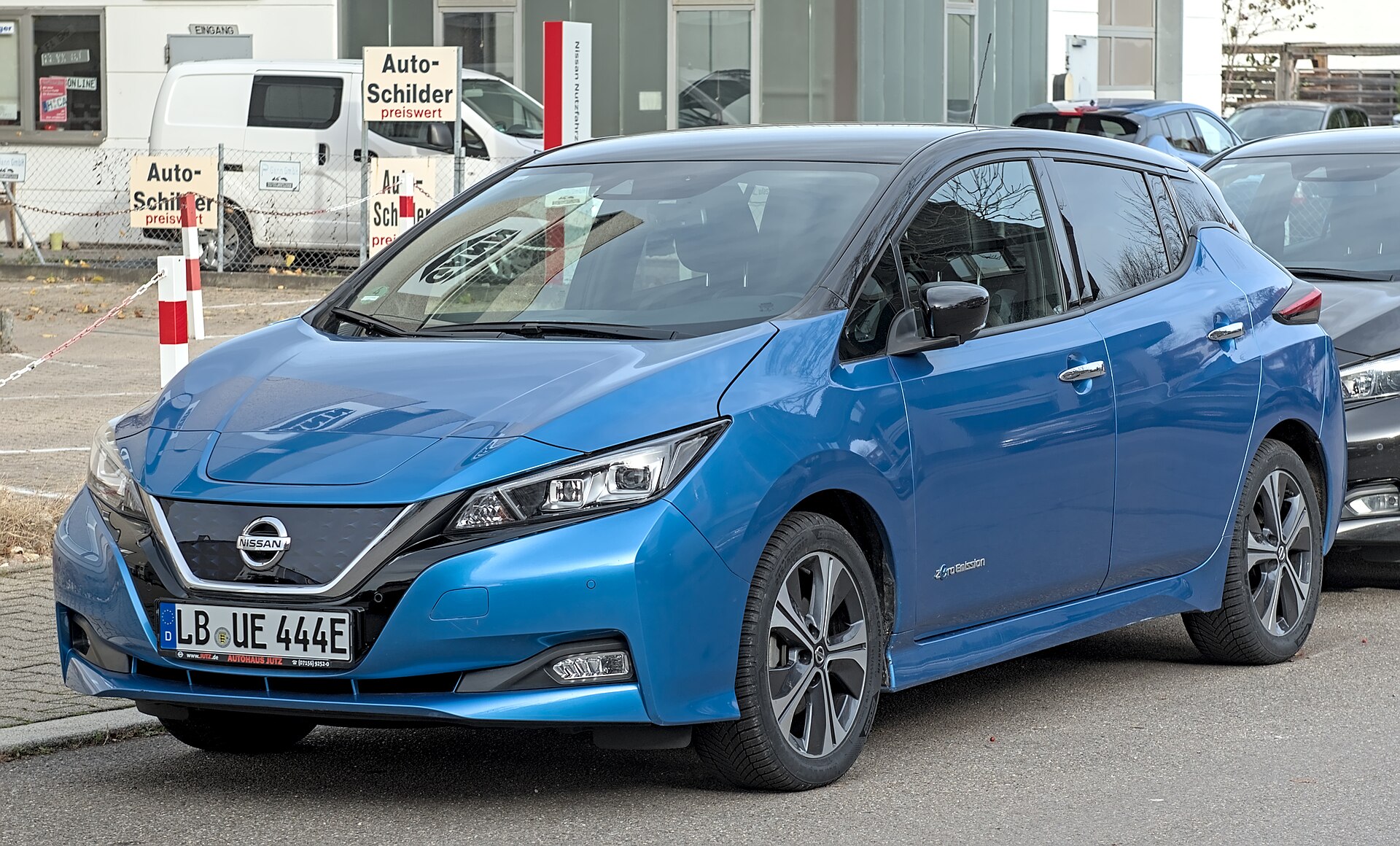
What the 2020 Nissan Leaf Is
The 2020 Nissan Leaf is a left-hand drive electric hatchback with an automatic transmission. The model in focus has 41,000 km on the odometer. It is a five-door car aimed at urban and suburban driving. For importers, it represents a compact EV that can suit fleet, taxi, or private buyer segments where charging infrastructure is available. Its size and layout make it easy to handle in dense traffic and simple to park.
This Leaf is not a large family SUV or a long-distance cruiser. It is a hatchback, so cargo space is modest but usable for daily needs. The electric drivetrain means no petrol or diesel engine, no exhaust system, and no traditional gearbox. Buyers who need a simple, low-maintenance city car should consider it. Those needing high ground clearance or heavy towing should look elsewhere.
Ownership Experience for Resellers and Fleets
Running a Leaf is different from a combustion car. There is no engine oil, no spark plugs, and no fuel filter to change. Brake wear is often lower because regenerative braking helps slow the car. For a fleet, this can mean fewer routine service visits. However, the high-voltage battery and electric motor are the main components to check. A used Leaf with 41,000 km may still have useful battery life, but capacity varies with climate and charging habits.
Drivers will notice instant torque and quiet operation. The automatic transmission is a single-speed reduction gear, so acceleration is smooth. Range depends on battery condition, driving style, and temperature. In hot or cold climates, range can drop. For importers, this means buyer education is important. You should explain that the Leaf is best for daily routes with access to charging, not for remote areas without power.
Servicing and Maintenance Realities
Servicing a Leaf is simpler than a petrol car in some ways, but it requires different skills. You need a technician who understands high-voltage systems. Not every independent garage has that training. Basic items like brake fluid, cabin filter, and tires are standard. The reduction gear oil may need checking at intervals. Coolant for the battery and power electronics also needs attention. Always consult the owner’s manual for the correct schedule.
For trade buyers, the key is to find a local workshop that can handle EVs before you commit to a volume order. Ask potential service partners if they have diagnostic tools for Nissan electric models. If they do not, you may need to rely on franchised dealers, which can be more expensive. Training a local mechanic is possible but takes time. Plan your after-sales support before the cars arrive.
Sourcing Parts for the Nissan Leaf
Parts for the Leaf are generally available through Nissan dealer networks, but availability varies by country. Common wear items like brake pads, wipers, and suspension components are often shared with other Nissan models, which helps. EV-specific parts such as battery modules, inverters, and charging ports may need to be ordered. In some markets, used parts from salvage yards are an option. However, you must verify compatibility by year and trim.
For importers, building a relationship with a parts supplier in your region is important. If you plan to sell multiple Leaf units, consider stocking fast-moving items like filters and brake components. For expensive EV parts, it may be better to order on demand to avoid tying up capital. Always check part numbers against the specific vehicle identification number. Do not assume that all 2020 Leaf models use identical components.
Buyer Checklist Before You Import
Before you buy a used Leaf for export, inspect the battery health report if available. Ask for a state-of-health reading from a diagnostic tool. Check the charging equipment that comes with the car, including the portable cable. Verify that the car charges correctly on both AC and DC fast charging if those are used in your market. Look for warning lights on the dashboard. A test drive should confirm smooth acceleration and no unusual noises.
Also consider the climate in your target market. Extreme heat can degrade battery life faster, while extreme cold reduces range. If your buyers face these conditions, set realistic expectations. Check local regulations for importing electric vehicles, including duties and safety standards. Confirm whether your country requires a charging cable or adapter. Finally, calculate your total landed cost using actual freight and customs quotes, not estimates.
Frequently asked questions
- What is the real-world range of a 2020 Nissan Leaf with 41,000 km?
- Range depends on battery health, driving style, and temperature. You should request a state-of-health report from the seller and test the car under local conditions.
- Can I service a Nissan Leaf at any local garage?
- Not all garages are trained for high-voltage EVs. You should find a workshop with EV diagnostic tools or plan to use a franchised dealer.
- Are spare parts for the Leaf easy to find in Africa, the Middle East, or South America?
- Common wear parts are often available, but EV-specific components may need ordering. Check with local parts suppliers before you commit to a volume order.