What this RAV4 is and who it suits
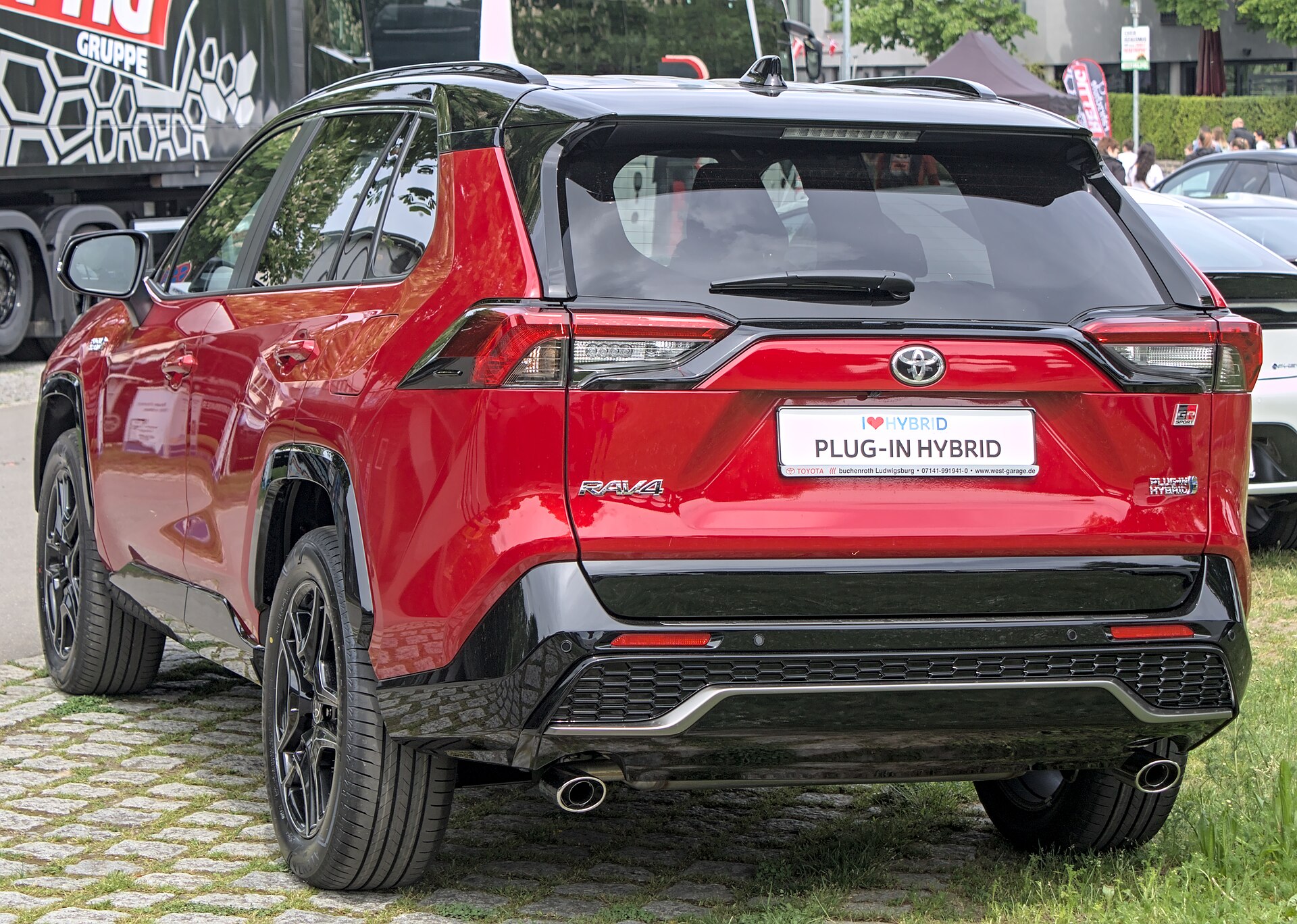
This is a 2021 Toyota RAV4 SUV with an automatic transmission, hybrid fuel system, left-hand drive and 39,000 km on the odometer. It sits in the compact crossover class that many importers, dealers and fleet buyers already know well. Because it is a hybrid, it uses both a petrol engine and an electric motor, which can appeal to buyers watching fuel costs. The left-hand drive layout fits markets in Africa, the Middle East, South America and the CIS where LHD is required. It is not a heavy off-roader, but it handles daily road use and light rough surfaces.
For a trade buyer, the main question is whether this model fits your market. The RAV4 name is widely recognised, so retail buyers often already know it. That can reduce the time you spend explaining the vehicle. The hybrid system is the main difference from a standard petrol RAV4, and it changes how you service and source parts. If your market has limited hybrid experience, plan for extra training or simple buyer education. If your buyers already run hybrids, this model can sit naturally in your stock list.
Ownership experience for fleets and resellers
In daily use, the RAV4 hybrid is a quiet and easy vehicle to drive. The automatic transmission removes clutch wear concerns, which matters for fleet buyers who hand vehicles to many drivers. The hybrid system often runs on electric power at low speeds, so city driving can be smoother and less tiring. For a reseller, that smoothness is an easy selling point. The SUV body gives a higher seating position and more cargo space than a sedan, which many private and business buyers prefer. It is not a large SUV, so it fits narrow streets and tight parking.
Mileage at 39,000 km is moderate for a 2021 vehicle. That means the vehicle has been used but is not at the end of its life. For a fleet buyer, the remaining service life depends on how it was maintained before export. You should ask for service records and a battery health check on the hybrid pack. Do not assume the hybrid battery is perfect just because the mileage is low. A trained technician can test the battery and give you a clearer picture before you commit.
Servicing and maintenance planning
Servicing a RAV4 hybrid is similar to a petrol RAV4 for most routine items: engine oil, filters, brakes, tyres and suspension. The hybrid system adds a few checks, such as the inverter coolant and the battery cooling system. Many independent workshops can handle the petrol side, but the hybrid side may need a scan tool that reads hybrid codes. Before you import, check whether your local workshops have that tool. If not, you may need to invest in one or rely on a dealer workshop. That affects your running costs and how quickly you can return a vehicle to service.
Parts availability is usually good for Toyota models in many export markets, but the hybrid RAV4 has some parts that are not shared with petrol versions. Hybrid battery packs, inverter components and some electronic modules are specific to the hybrid model. You should identify a parts source before you buy. Ask your supplier whether they can supply hybrid-specific parts, or find a local Toyota parts dealer. For fast-moving items like brake pads and filters, aftermarket options often exist. For hybrid electronics, genuine or tested used parts are safer. Plan your parts budget around the hybrid items, not just the standard service items.
Sourcing and inspection for trade buyers
When sourcing a used RAV4 hybrid, the inspection matters more than the photos. Ask for a cold-start video, a walkaround showing the body and interior, and a scan report for hybrid fault codes. Because the vehicle is left-hand drive and hybrid, confirm that the dashboard language and units suit your market. Check the charging system and the 12-volt battery, since a weak 12-volt battery can cause odd hybrid behaviour. Also confirm the mileage from multiple sources if possible, such as service stamps and diagnostic data. These steps help you avoid surprises after the vehicle arrives.
For export, you will need to arrange shipping and customs clearance. The facts here do not include freight rates or lead times, so you should get quotes from your freight forwarder for your specific route. Ask whether the vehicle will ship as a running unit or in a container, and confirm that the hybrid system is allowed in your destination country. Some markets have rules on hybrid imports, so check with your customs broker. Also confirm the vehicle meets local emissions and safety rules. These checks are normal for any used import and should be done before you pay.
Frequently asked questions
- Is the 2021 Toyota RAV4 hybrid a good choice for fleet buyers?
- It can be a good choice if your market supports hybrids and your workshops can service them. The automatic transmission and SUV body suit many fleet uses, but you should verify hybrid battery health and local parts support before buying.
- What should I check before importing this RAV4?
- Check the hybrid battery health, service records, mileage consistency and hybrid fault codes. Also confirm your destination country allows hybrid imports and that you have a parts source for hybrid-specific components.
- How hard is it to find parts for a used RAV4 hybrid?
- Standard service parts are often easy to find, but hybrid-specific parts like battery packs and inverter components may need a Toyota dealer or a specialist supplier. Identify a source before you commit to the vehicle.