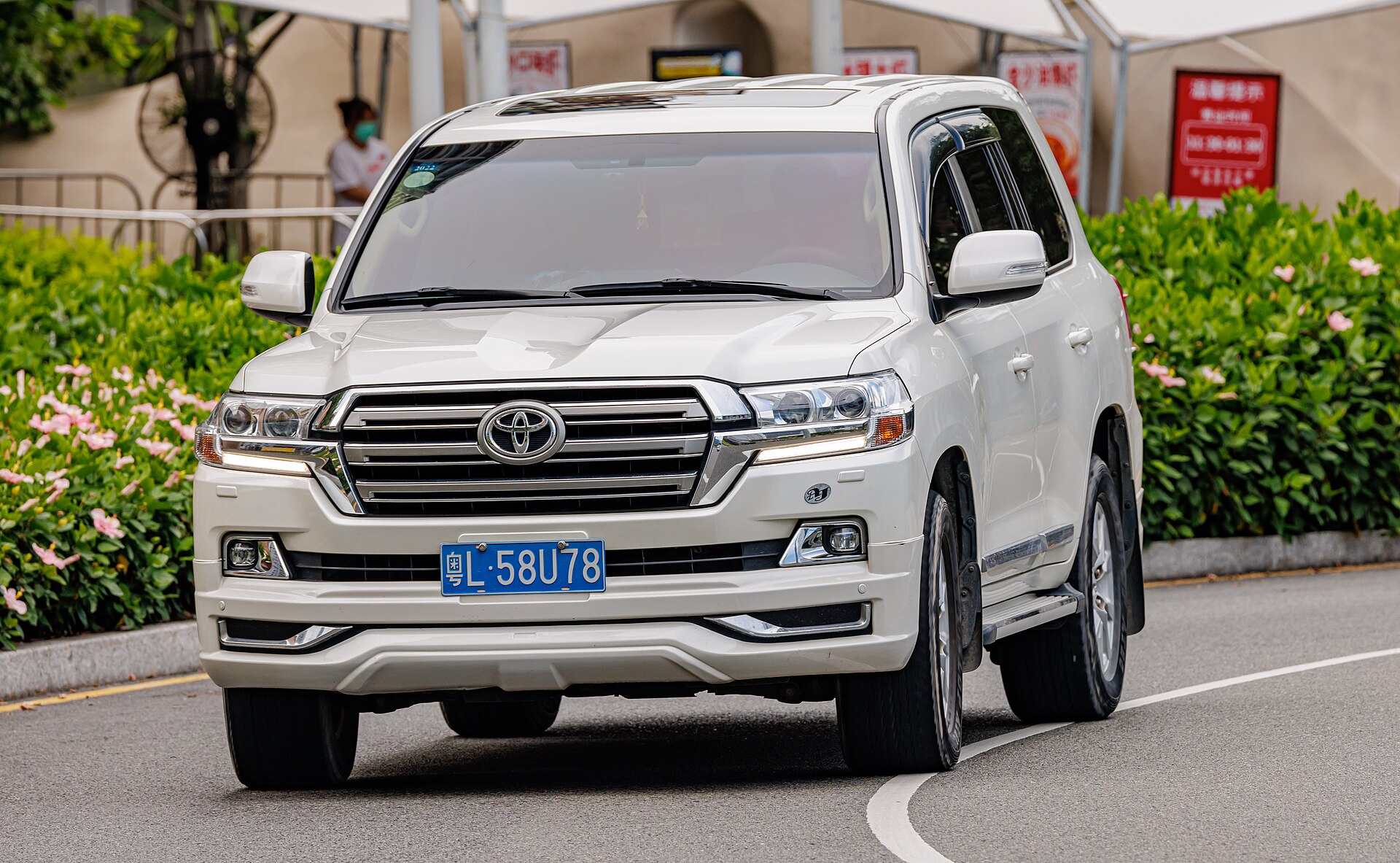
What this Land Cruiser 200 is
This is a 2018 Toyota Land Cruiser 200 with a diesel engine, automatic transmission, left-hand drive, and 96,000 km on the odometer. It is a full-size SUV in the category that many importers and fleet buyers know well. The 200 series has a long production history, so the basic layout and controls are familiar to drivers and mechanics in Africa, the Middle East, South America, and the CIS. That familiarity can help when you put it into service or resell it.
Because it is left-hand drive, it suits markets that require or allow LHD vehicles. The diesel engine and automatic gearbox are common configurations for this model in many export markets. At 96,000 km, the vehicle is past the initial break-in period but still has useful life left if it has been maintained. You should check the service history and condition report before you commit, since those details affect how quickly it will sell or how much work it needs.
What it is like to own and run
The Land Cruiser 200 is a heavy SUV with a reputation for durability in rough conditions. The diesel engine gives good torque for loaded driving, towing, and poor roads, which matters in many export markets. The automatic transmission makes it easier to drive in traffic and on long routes. Fuel consumption is not low, but for buyers who need a capable vehicle, that is often acceptable. You should expect regular maintenance costs that are higher than a small car but in line with a large SUV.
Inside, the 200 series offers space for passengers and cargo, which fleet buyers and families value. The ride is firm but comfortable on bad roads. Because it is a left-hand drive model, you need to confirm it meets local registration rules. If you plan to run it in a fleet, consider driver training for its size and weight. For resale, buyers often look for evidence of timely oil changes, filter changes, and suspension checks.
Servicing and parts sourcing
Toyota has a broad service network in many regions, and the Land Cruiser 200 is a common model, so independent workshops often know it. For the diesel engine and automatic transmission, you should use fluids and filters that meet Toyota specifications. If you cannot find the exact part number, a reputable parts dealer can match it using the vehicle identification number. That is the safest way to avoid wrong parts, especially for sensors and engine components.
Parts availability varies by country. In some markets, genuine and aftermarket parts are easy to find; in others, you may need to order ahead. Before you buy, ask local mechanics or parts shops about common items like brake pads, filters, belts, and suspension bushes. For major components, such as the turbocharger or transmission, confirm availability and lead times with your supplier. Do not assume a part is in stock; check first. Keeping a small stock of fast-moving parts can reduce downtime for fleet use.
Buying checks for importers and dealers
When you inspect this vehicle or a similar one, focus on the engine, transmission, and underbody. Look for oil leaks, coolant leaks, and any signs of overheating. Check the automatic transmission for smooth shifting and check the four-wheel-drive system if equipped. The odometer reading of 96,000 km should match the wear on the pedals, seats, and steering wheel. Ask for a diagnostic scan to see stored fault codes. These checks help you avoid surprises after the vehicle lands.
For export, confirm the paperwork matches the vehicle details: year, model, engine type, and drive type. Left-hand drive must be allowed in your destination market. If you are reselling, take clear photos of the interior, exterior, engine bay, and undercarriage. Buyers in Africa, the Middle East, South America, and the CIS often ask for these. Also confirm the vehicle identification number and check it against any available history. This reduces risk for you and your customer.
Who this model suits
This Land Cruiser 200 suits importers and fleet buyers who need a large, durable SUV for mixed road conditions. It can work for government fleets, mining operations, tour companies, or private buyers who need space and capability. Because it is a diesel automatic LHD, it fits markets where those features are preferred. It is not the cheapest option to run, but many buyers accept that for the model's reputation. If your customers value toughness over fuel economy, this can be a good fit.
For resale, target buyers who already know the Land Cruiser name. They will ask about service history, accident damage, and rust. Be ready to show what maintenance has been done and what might be needed soon. If you plan to run it yourself, budget for regular servicing and possible wear items like brakes and suspension. Always verify local registration and inspection rules before you ship. That way, you avoid delays and extra costs at the port.
Frequently asked questions
- Is the 2018 Toyota Land Cruiser 200 diesel good for rough roads?
- Yes, the Land Cruiser 200 is known for durability and good torque, which helps on rough roads and with heavy loads. You should still check the suspension and underbody condition before you buy, since wear depends on previous use.
- How hard is it to find parts for a Land Cruiser 200 in export markets?
- Parts availability varies by country, but the model is common and many independent shops know it. Use the vehicle identification number to order correct parts, and confirm stock with local suppliers before you need them.
- What should I check before importing a left-hand drive Land Cruiser 200?
- Confirm that left-hand drive is allowed in your destination market and that the paperwork matches the vehicle details. Also inspect the engine, transmission, and underbody, and ask for a diagnostic scan to find any stored fault codes.