Running cost: hybrid versus diesel
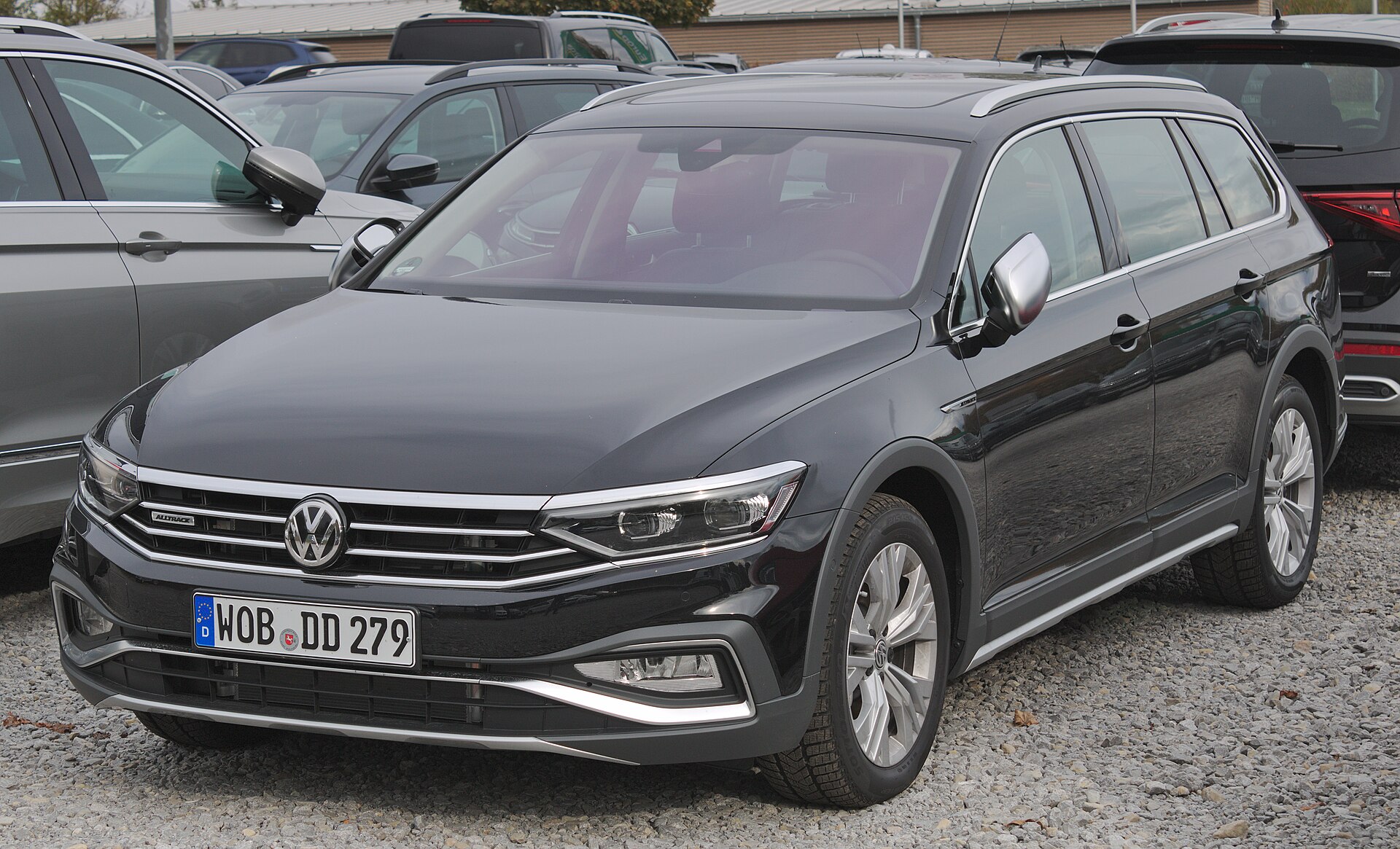
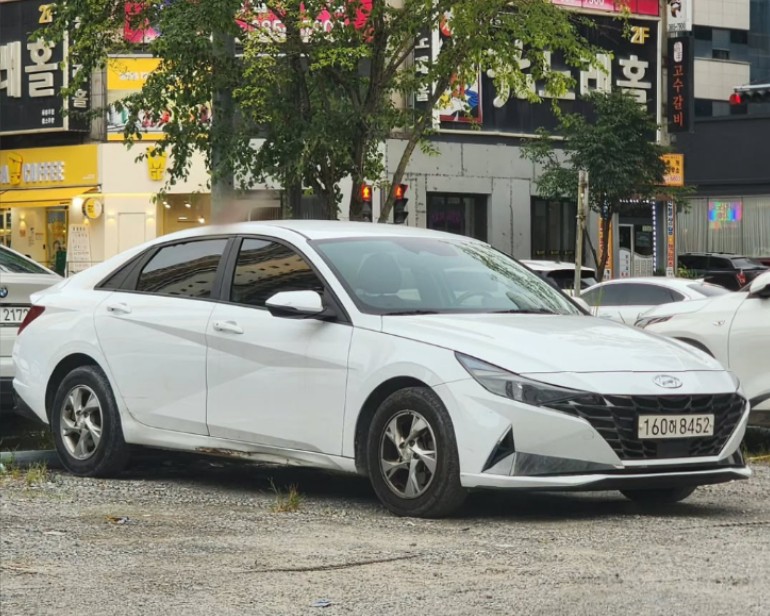
The 2020 Toyota Camry is a hybrid with an automatic transmission, while the 2019 Volkswagen Passat runs on diesel and also has an automatic. For a fleet buyer, fuel type shapes daily running cost. Hybrids typically use less fuel in stop-start city work, while diesel often delivers strong highway economy. Your actual cost depends on local fuel prices, route profiles and driver behaviour. Ask your supplier for real-world consumption figures from similar fleet use, and calculate cost per kilometre using your own fuel prices.
The Camry shows 45,000 km, and the Passat shows 73,000 km. Higher mileage can mean more wear on consumables such as brakes, tyres and suspension, so the Passat may need closer inspection. Neither vehicle comes with a stated warranty or service history here. Request inspection reports, service records and any diagnostic scans before you commit. For running cost planning, factor in oil and filter changes, brake parts, tyres and fuel, then compare those totals across your expected annual distance.
Parts availability and service support
Toyota has a broad global presence, and the Camry is a common sedan in many markets, which often helps parts availability. Volkswagen also has a wide network, but the Passat diesel may use specific components that are less common in some regions. For fleet buyers in Africa, the Middle East, South America and the CIS, local parts supply varies by country and city. Before ordering, ask your importer or local workshops which model they can service quickly and which parts they keep on the shelf.
Do not assume that either model is easy to service everywhere. Check whether your market has trained technicians for hybrid systems, since the Camry hybrid uses high-voltage components that need proper handling. For the Passat diesel, confirm that common wear items such as filters, belts and brake parts are available locally. If a part must be ordered, ask how long it usually takes and whether that downtime is acceptable for your fleet. These checks matter more than brand reputation alone.
Payload and passenger space
Both vehicles are left-hand-drive sedans, so they offer similar passenger layouts: typically five seats with a separate boot. The Camry is a 2020 model, and the Passat is a 2019 model, so cabin design and rear legroom may differ slightly between generations. For fleet use, measure boot volume and rear seat space against your actual needs, such as carrying luggage, tools or four to five passengers. Do not rely on general impressions; ask for interior dimensions or, if possible, inspect the vehicles.
Payload figures are not provided here, so you should confirm them from the vehicle documents or a physical inspection. Sedans generally carry less weight than SUVs or pickups, so if your fleet moves heavy equipment, a sedan may not be suitable. For passenger comfort, check rear headroom and knee room, especially if you carry adults regularly. The Passat diesel may have a different weight distribution due to its engine, but without official figures, verify payload and towing limits before purchase.
Who each one suits
The 2020 Toyota Camry hybrid suits fleet buyers who prioritise lower fuel use in city or mixed driving and want a widely recognised sedan. Its lower mileage, at 45,000 km, may mean less immediate wear than the Passat. If your market has good Toyota service support and you carry passengers rather than heavy loads, the Camry is a practical candidate. It is not a heavy-duty vehicle, so avoid overloading it beyond its stated limits.
The 2019 Volkswagen Passat diesel suits fleet buyers who cover long highway distances and prefer diesel torque for steady cruising. Its higher mileage, at 73,000 km, means you should inspect it more closely and budget for potential wear items. If your local workshops know Volkswagen diesels and parts are available, it can be a capable sedan. Choose based on your routes, local service network and payload needs, not on brand preference alone.
How to decide before you import
Start by listing your fleet’s daily routes, average load and passenger count. Then request inspection reports for both vehicles, including mileage verification, engine condition and any fault codes. Ask your supplier for fuel consumption estimates in similar conditions, but treat them as estimates until you verify with your own records. Check local parts availability for both models by calling independent workshops in your city. Compare total cost of ownership over your planned holding period, including fuel, service, tyres and downtime.
Because no prices, lead times or freight rates are stated here, you must obtain those from your supplier or freight forwarder. Do not rely on generic online figures. Confirm that the vehicles are left-hand drive and that their documents match your import rules. If you need a warranty or return policy, ask the seller directly and get any promise in writing. For fleet buyers, the safer choice is the one your local market can service quickly and affordably.
Frequently asked questions
- Which is cheaper to run, the Camry hybrid or the Passat diesel?
- It depends on your fuel prices and routes. Hybrids often use less fuel in city driving, while diesel can be efficient on highways. Calculate cost per kilometre using local fuel prices and your own distance.
- Are parts easier to find for the Toyota Camry or the Volkswagen Passat?
- Toyota generally has a broad global parts network, but availability varies by country. The Passat diesel may need specific components. Check with local workshops and parts suppliers in your market before you decide.
- Can I use either sedan for heavy fleet payloads?
- Both are sedans, so payload is limited compared with SUVs or pickups. Payload figures are not provided here. Confirm the official payload from the vehicle documents or a physical inspection before loading.