Running cost
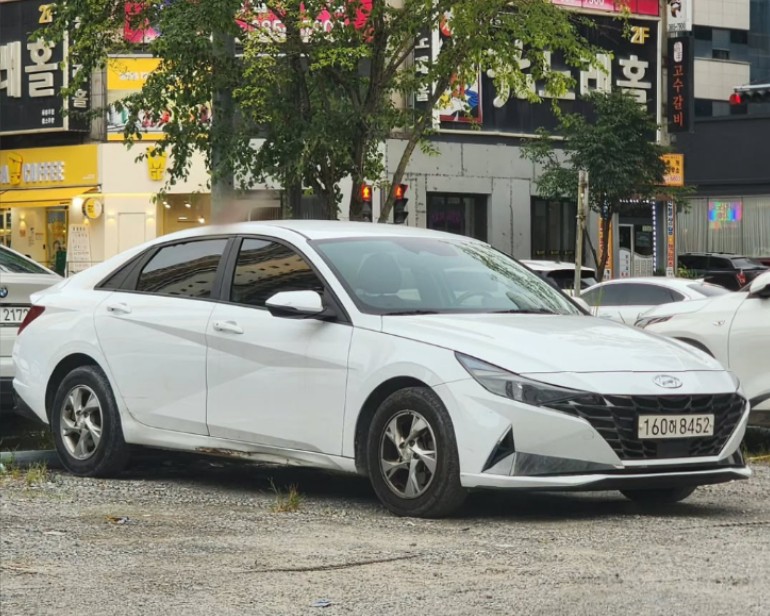
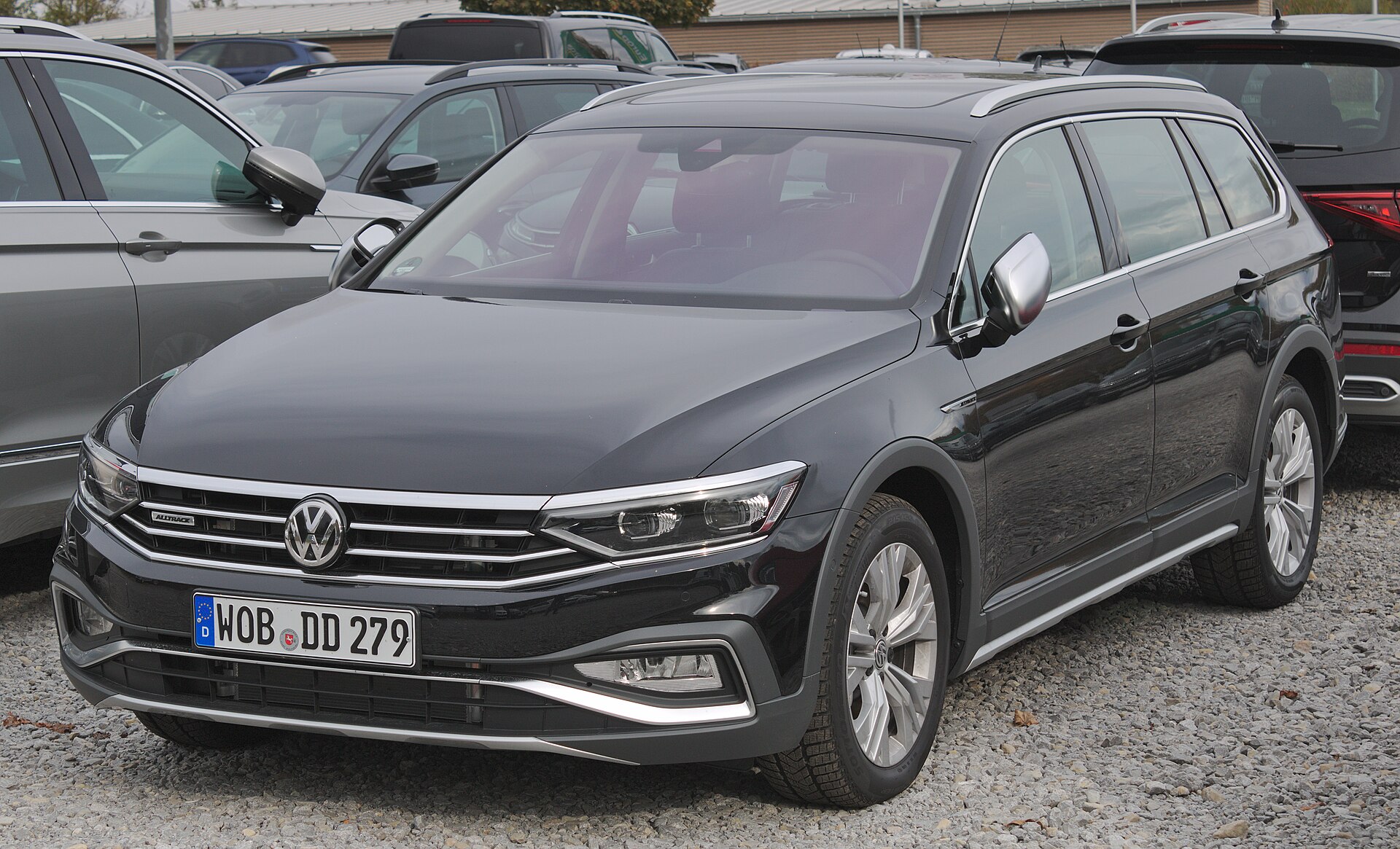
The 2021 Hyundai Elantra runs on petrol, while the 2019 Volkswagen Passat runs on diesel. For fleet buyers, fuel type affects day-to-day operating cost, but the exact difference depends on local fuel prices and driving cycles. The Elantra has 31,000 km, and the Passat has 73,000 km. Higher mileage on the Passat may mean more wear items are closer to replacement. Ask your supplier for service records and calculate fuel cost using your own route data.
Both cars have automatic transmissions and left-hand drive. Automatic gearboxes can require specific fluid services, so check whether each vehicle has a documented transmission service history. Diesel engines often deliver better fuel economy on long routes, while petrol engines can be simpler in markets where diesel quality varies. Do not rely on generic assumptions. Instead, request consumption figures from the seller and compare them with your own fuel receipts after import.
Parts availability
Hyundai and Volkswagen both have broad international parts networks, but actual availability depends on your country and city. For the Elantra, common service items such as filters, brake pads, and belts are often stocked by independent importers. For the Passat, diesel-specific components like injectors and high-pressure fuel pumps may need to be ordered. Before buying, ask local workshops which model they see more often and which parts arrive faster.
A practical step is to contact two or three parts dealers in your market and ask for availability and typical order times for both models. Also check whether your own workshop has diagnostic tools for each brand. The Passat may require more specialized electronic diagnostics, while the Elantra may be simpler for general mechanics. Because no prices or lead times are given here, you must gather those locally. This avoids surprises after the vehicles arrive.
Payload and passenger space
Both vehicles are sedans, so passenger space is similar in class. The Passat is often chosen by fleets that need a comfortable rear seat for business passengers. The Elantra is a compact sedan that can still carry five occupants, but rear legroom may be tighter for taller passengers. If your fleet carries four or five adults regularly, sit in both cars before deciding. Do not assume one is larger without checking.
For payload, sedans are not designed for heavy cargo. The Passat may offer a slightly larger trunk in some configurations, but you should verify actual trunk volume and payload rating from the vehicle documents. The Elantra may be easier to park and maneuver in dense city traffic. Fleet buyers should match the car to the duty cycle: long highway trips, city shuttle, or executive transport. Each use case changes which model fits better.
Who each one suits
The 2021 Hyundai Elantra with 31,000 km and petrol engine suits fleet buyers who want a lower-mileage sedan for city and suburban routes. It may appeal to operators in markets where petrol is easier to source than diesel. Its automatic transmission and left-hand drive make it usable in many African, Middle Eastern, South American, and CIS markets. If your drivers cover short distances and you prefer simpler maintenance, the Elantra is a reasonable candidate.
The 2019 Volkswagen Passat with 73,000 km and diesel engine suits fleet buyers who need a comfortable sedan for longer highway journeys. Diesel can be economical on high-mileage routes, but the higher odometer reading means you should inspect wear parts carefully. It may fit executive shuttle or intercity service where rear-seat comfort matters. If your market has good diesel quality and Volkswagen parts support, the Passat can be a practical choice.
How to choose
Start by defining your fleet duty cycle. If most trips are short and in traffic, the lower-mileage petrol Elantra may reduce complexity. If most trips are long and on open roads, the diesel Passat may offer better fuel economy. Then check local parts and service support for each brand. Ask your workshop which model they can maintain without long waits. Finally, request full inspection reports and service histories for both vehicles.
Because no prices, lead times, or freight rates are provided here, you must obtain those from your supplier. Compare total landed cost, not just the vehicle price. Include import duties, registration, insurance, and initial servicing. For the Passat, budget for a thorough check of the diesel system and transmission. For the Elantra, verify the petrol engine and automatic gearbox condition. A disciplined comparison will show which sedan fits your fleet.
Frequently asked questions
- Which is cheaper to run, the Elantra or the Passat?
- It depends on local fuel prices and your routes. The Elantra uses petrol and has lower mileage, while the Passat uses diesel and has higher mileage. Calculate fuel cost with your own data and request service records before deciding.
- Are parts easier to find for the Hyundai Elantra or Volkswagen Passat?
- Availability varies by market. Ask local parts dealers and workshops which model they stock more often and how long orders take. Do not assume one brand is always better without checking your own city.
- Which sedan is better for a fleet with high passenger loads?
- Both are sedans with similar passenger capacity. The Passat may offer more rear comfort for long trips, while the Elantra may be easier in city use. Inspect both cars in person and match the choice to your typical routes.