Running Cost
The 2020 Toyota Camry Hybrid pairs a petrol engine with an electric drive, which can lower fuel use in stop-start city duty. The 2020 Honda Civic runs on petrol only. For a fleet buyer, fuel is a major running cost, so the hybrid Camry may offer savings on high-mileage urban routes. However, actual consumption depends on load, traffic, and driving style. Ask your supplier for the fuel type and tank capacity, and calculate cost per kilometre using your local fuel price.
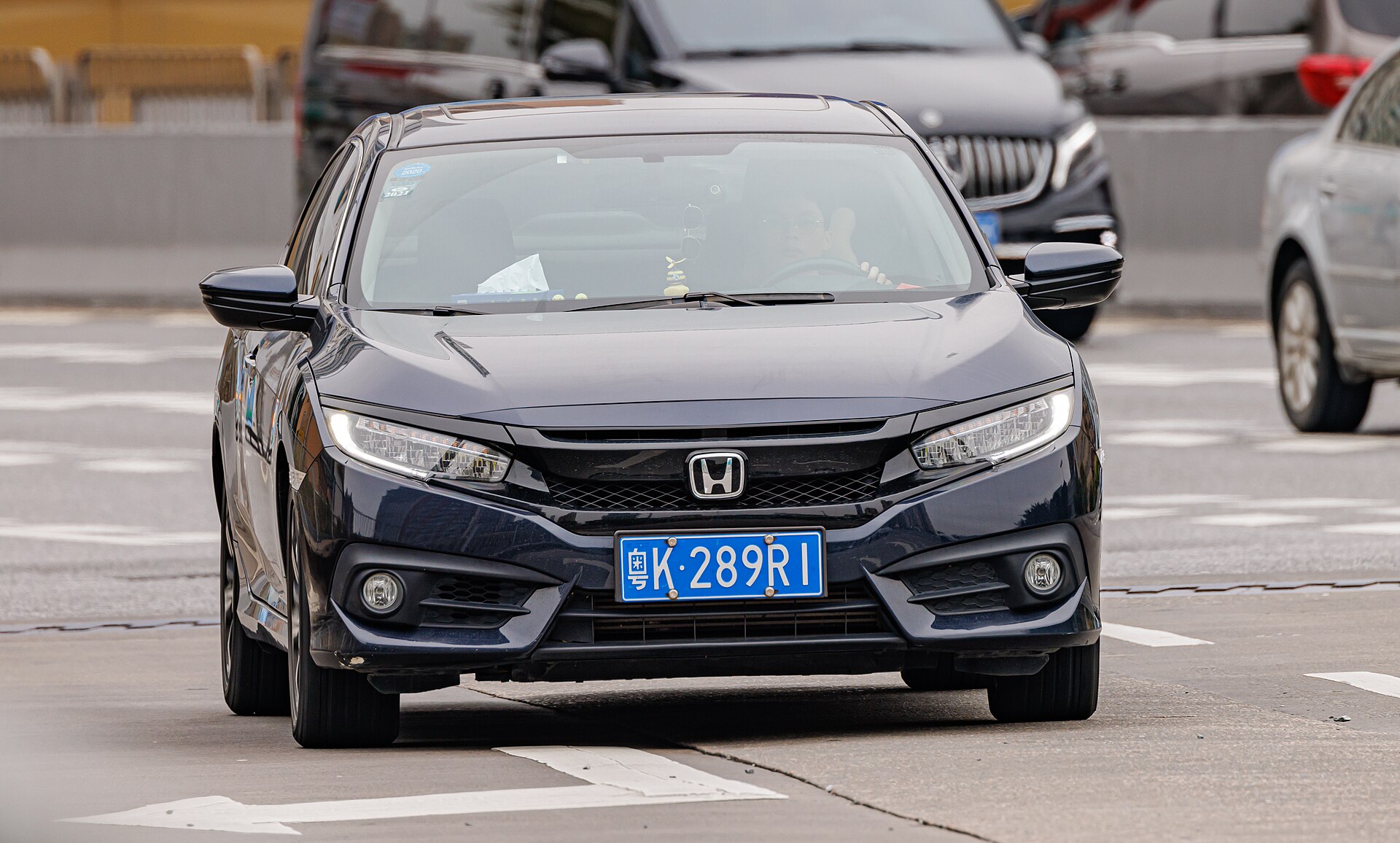
Both cars are automatic and left-hand drive, matching many African, Middle Eastern, South American, and CIS markets. The Camry has 45,000 km and the Civic has 48,000 km, so the Civic has slightly higher mileage. Higher mileage can mean more wear on tyres, brakes, and suspension. Request a service history and inspection report for each unit. For running cost, also compare insurance groups, road tax, and scheduled maintenance intervals, which vary by country.
Parts Availability
Toyota and Honda both have broad global parts networks, but coverage differs by region. In many African and Middle Eastern markets, Toyota parts are widely stocked because the brand has a long presence. Honda parts are also available, though some markets may have fewer independent suppliers. For the Camry Hybrid, the hybrid battery and electric components may need specialised service. Ask your local parts dealers whether they stock hybrid-specific parts before committing to a hybrid fleet.
The Civic petrol engine is a conventional design, so parts like filters, belts, and brakes are often easier to source from multiple suppliers. For both models, confirm part numbers for the 2020 model year, as updates can change components. If you operate in a remote area, check if a nearby city has authorised dealers or reputable independent workshops. A parts availability check should include consumables, accident repair panels, and electronic modules. Do not assume that popularity in one country means the same in another.
Payload and Passenger Space
Both are sedans, so payload and passenger space are limited compared with SUVs or vans. The Camry is a mid-size sedan, typically offering more rear legroom and a larger boot than the compact Civic. For fleet buyers carrying four or five adults regularly, the Camry may be more comfortable. The Civic can still seat five, but rear space is tighter. If your fleet needs to carry bulky equipment, a sedan may not be the right category. Consider how many passengers and how much cargo each trip requires.
The Camry Hybrid's battery may reduce boot space slightly compared with a non-hybrid Camry, but the given facts do not specify boot volume. The Civic petrol has no hybrid battery, so its boot is likely more consistent. For accurate payload, check the vehicle's gross vehicle weight rating and kerb weight from the manufacturer's specifications. Also note that passenger space is affected by seat design and roof height. If your fleet often carries heavy loads, a sedan may not meet your needs regardless of model.
Who Each One Suits
The 2020 Toyota Camry Hybrid suits fleet buyers who prioritise lower fuel consumption in city use and need more rear passenger space. It may work well for executive transport, airport transfers, or ride-hailing in dense traffic. However, the hybrid system adds complexity, so you need access to hybrid-capable workshops. If your routes are mostly highway or you lack hybrid service support, the advantage may be smaller. Consider your daily mileage and local fuel prices before choosing.
The 2020 Honda Civic petrol suits fleet buyers who want a simpler mechanical setup and easier access to conventional parts. It is a compact sedan, so it fits drivers who carry fewer passengers or lighter loads. It may be a good fit for courier services, small sales teams, or staff transport where manoeuvrability matters. The Civic has slightly higher mileage in this comparison, so inspect it carefully. Neither car is a heavy-duty vehicle, so match the model to your actual passenger and cargo needs.
Frequently asked questions
- Which is cheaper to run, the Camry Hybrid or the Civic petrol?
- The Camry Hybrid may use less fuel in city driving, but actual savings depend on your routes, fuel price, and driving style. The Civic petrol has a simpler engine, so maintenance may be easier in markets without hybrid specialists. Calculate cost per kilometre using local fuel and service prices.
- Are parts easy to find for both models in Africa, the Middle East, South America, and the CIS?
- Toyota generally has a wide parts network in many of these regions, while Honda coverage varies by country. For the Camry Hybrid, check for hybrid battery and electric component support. Ask local parts dealers and workshops before you buy.
- Which sedan has more passenger space for a fleet?
- The Camry is a mid-size sedan and usually offers more rear legroom and boot space than the compact Civic. However, both are sedans with limited payload compared with SUVs or vans. Check the manufacturer's specifications for exact dimensions and weight ratings.