Running Cost Considerations
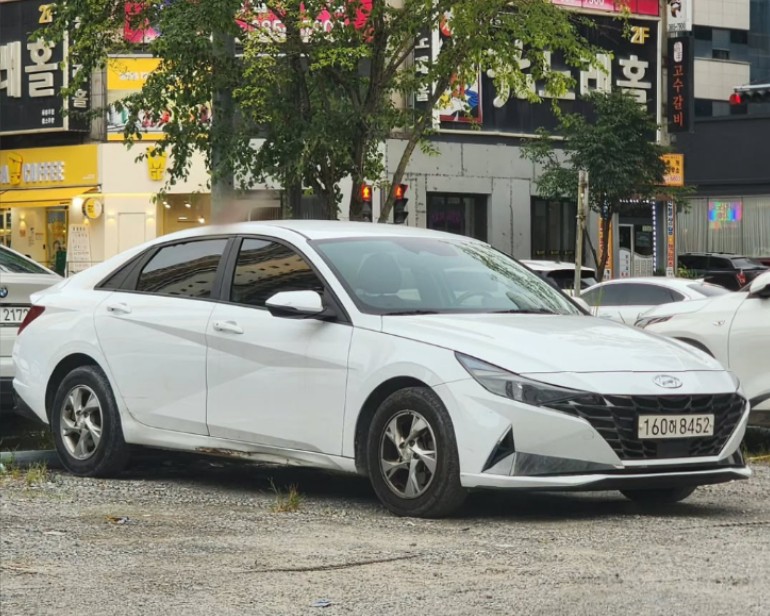
The 2020 Toyota Camry Hybrid uses a hybrid powertrain, which can reduce fuel consumption compared to a conventional petrol sedan, especially in stop-start urban driving. The 2021 Hyundai Elantra runs on petrol only. To estimate actual running costs for your fleet, request real-world fuel consumption data from the seller or check owner forums in your region, as driving conditions and load affect consumption. Maintenance intervals and parts pricing also influence total cost of ownership.
Both vehicles are automatic and left-hand drive. The Camry has 45,000 km and the Elantra has 31,000 km. Lower mileage on the Elantra may mean more remaining tyre and brake life, but hybrid components on the Camry may require specialised servicing. Ask your local workshop about labour rates for hybrid systems versus standard petrol engines. Without specific price data, compare insurance quotes and scheduled service costs from local providers to build a realistic cost per kilometre.
Parts Availability and Service Network
Toyota has a long-established presence in many African, Middle Eastern, South American, and CIS markets, which often translates to broader parts availability for models like the Camry. Hyundai also has a growing network, but coverage varies by country. For the Elantra, check with local dealers and independent importers whether common consumables such as filters, brake pads, and belts are stocked locally or require ordering.
For the Camry Hybrid, specific hybrid components like battery packs and inverters may not be readily available in all markets. Before committing, ask your preferred parts supplier about lead times for both models. If you operate a mixed fleet, standardising on one brand can simplify inventory. However, the final decision should depend on what your local supply chain can support reliably. Request a parts list and availability check from your supplier for both vehicles.
Payload and Passenger Space
Both are sedans, so payload and passenger space are similar in class. The Camry is generally a larger sedan than the Elantra, which may offer more rear legroom and boot volume. For fleet buyers carrying passengers, the Camry could be more comfortable for longer trips. The Elantra, being a compact sedan, may be easier to manoeuvre in tight city traffic and parking.
To confirm actual space, review the manufacturer specifications for each model year. Check dimensions such as headroom, legroom, and boot capacity. If you need to carry heavy equipment, verify the gross vehicle weight and payload ratings. Neither vehicle is designed for heavy hauling, so consider whether a sedan meets your operational needs. Test sitting in both if possible, or ask the seller for interior measurements.
Who Each One Suits
The 2020 Toyota Camry Hybrid may suit fleet buyers who prioritise fuel efficiency in urban use and need a slightly larger sedan for executive or passenger transport. Its hybrid system can reduce fuel stops, but ensure local service support for hybrid components. The 2021 Hyundai Elantra, with lower mileage and petrol engine, could be a better fit for fleets seeking a straightforward compact sedan with potentially lower initial maintenance complexity.
Consider your routes, load requirements, and local parts network. If your fleet operates in areas with strong Toyota coverage, the Camry may be easier to maintain. If Hyundai parts are readily available and you prefer a newer, lower-mileage vehicle, the Elantra is worth evaluating. Always inspect the specific vehicle and verify its condition and documentation before purchase. Match the vehicle to your daily duty cycle rather than brand preference alone.
Frequently asked questions
- Which is cheaper to run, the Camry Hybrid or the Elantra?
- The Camry Hybrid may use less fuel, but actual cost depends on local fuel prices, driving conditions, and maintenance rates. Request real-world consumption and service quotes for both before deciding.
- Are parts for these models easy to find in my market?
- Toyota generally has wider coverage, but Hyundai is also present in many regions. Check with local dealers and parts suppliers for availability of common and hybrid-specific components.
- Which has more passenger space?
- The Camry is typically larger, offering more rear legroom and boot space. The Elantra is a compact sedan, so it may be tighter for rear passengers. Verify with manufacturer dimensions.