What this Camry is and who it suits
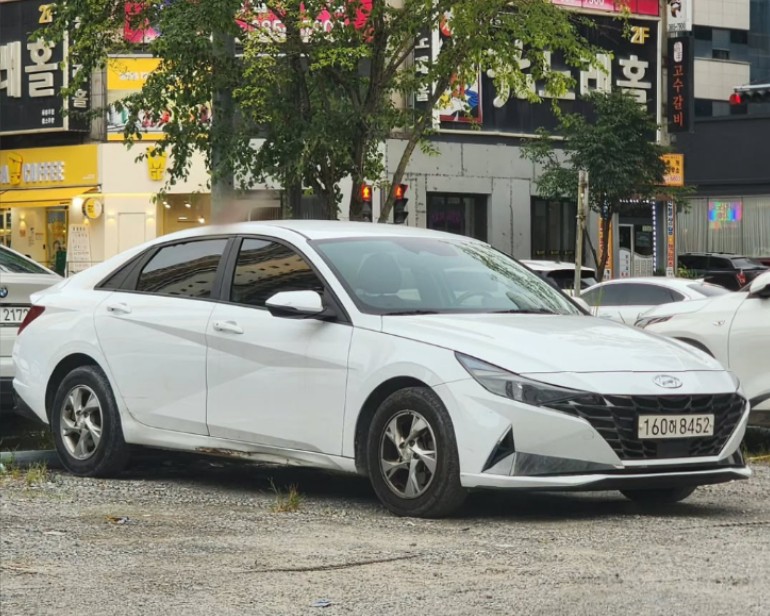
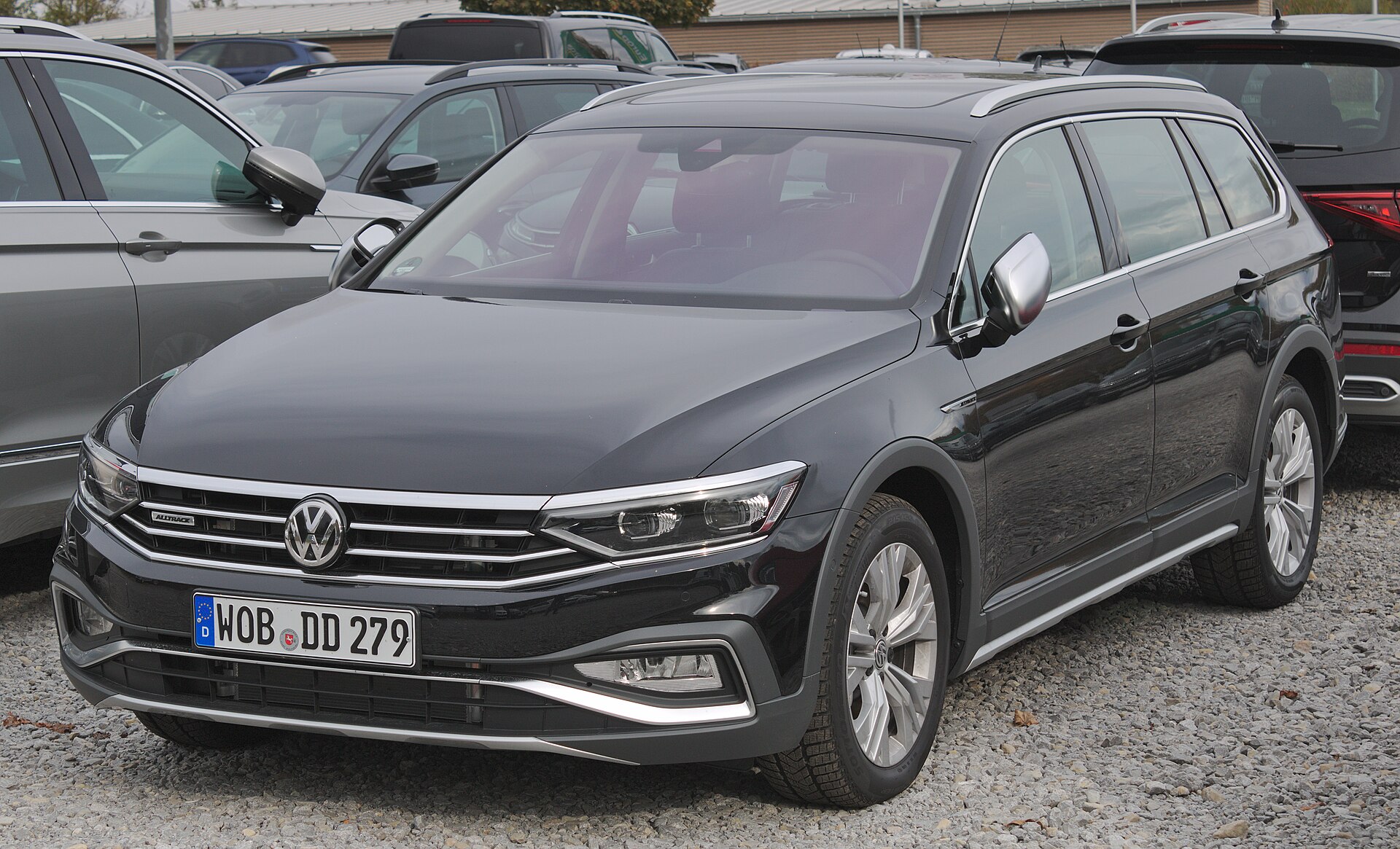
This is a 2020 Toyota Camry sedan with a hybrid powertrain, automatic transmission, left-hand drive and 45,000 km on the odometer. It is a mid-size sedan, not an SUV or pickup, so it suits buyers who need comfortable passenger transport rather than cargo capacity or rough-road ability. For importers and dealers, the Camry name is widely recognized, which can help when presenting the car to retail customers or fleet managers.
The hybrid system means the car uses both a petrol engine and an electric motor. For a fleet buyer, that can translate into lower fuel consumption in stop-start city use compared with a conventional petrol sedan of similar size. For a reseller, the main selling points are the Toyota badge, the automatic gearbox and the left-hand-drive layout, which fits markets where traffic drives on the right.
Ownership experience and running costs
Owners of the Camry Hybrid generally describe it as a quiet and easy car to drive. The automatic transmission and hybrid drive make it smooth in traffic, which matters for taxi and ride-hailing fleets. The sedan body gives good rear-seat space for passengers. Because this is a hybrid, the car may spend more time on electric power at low speeds, which can reduce noise and fuel use in city conditions.
Running costs depend on how the car is used. Highway driving will rely more on the petrol engine, while city driving can make better use of the hybrid system. You should ask for the actual fuel consumption figure from the specific vehicle or check the trip computer when you inspect it. Tyres, brake pads and fluids are the usual wear items, and the hybrid battery is a long-term consideration that a pre-purchase inspection should assess.
Servicing and parts sourcing
The Camry is a common model in many markets, so independent workshops in Africa, the Middle East, South America and the CIS are often familiar with it. Basic service items such as oil filters, air filters, brake pads and spark plugs are typically easier to source than parts for less common models. For a dealer, this can reduce the risk of a car sitting idle while waiting for components.
Hybrid-specific parts, including the battery pack and inverter, are less universal than ordinary engine parts. Before you commit to a volume order, check what is available locally in your target market. Ask your local parts importer or a Toyota-focused workshop whether they can supply hybrid components. If they cannot, you should factor in the cost and time of sourcing those parts from another market.
What to check before you buy for resale
For a used hybrid, the battery health is the single most important item to verify. Ask for a battery health report or have the car checked by a workshop that can read hybrid system data. Also inspect the service history, accident damage and odometer consistency. A 2020 car with 45,000 km is relatively low mileage, but that only helps if the records support it and the car has not been poorly repaired.
Because you are buying to resell or run, confirm the exact specification of the vehicle you are offered. Trim level, infotainment, safety features and wheel size can vary between Camry units even in the same year. Do not assume every 2020 Camry Hybrid is identical. Ask for photos of the interior, the VIN plate and the engine bay, and compare those against the documents before you finalize any order.
How to price and position it in your market
We cannot give you a price for this car because prices depend on your market, your import duties, your shipping costs and the condition of the specific unit. Instead, check current retail listings in your city for a 2020 Camry Hybrid with similar mileage. Then work backward to your landed cost, including freight, insurance, customs and local transport. That will tell you whether the margin works for your business.
For fleet buyers, compare the Camry Hybrid against a conventional petrol sedan on total cost per kilometer. Fuel savings may be higher in city use and lower on highways. For resellers, position the car as a comfortable, low-mileage hybrid sedan with a well-known badge. Avoid promising fuel savings or reliability that you have not verified on the specific vehicle you are selling.
Frequently asked questions
- Is the 2020 Toyota Camry Hybrid a good car for fleet use?
- It can suit fleet use because it is a comfortable automatic sedan with a hybrid system that may reduce fuel use in city driving. You should compare it with other sedans in your market and check local service support before committing to a fleet order.
- What should I check on a used Camry Hybrid before importing?
- Check the hybrid battery health, service history, accident damage and odometer records. Also confirm the exact trim and features, because specifications can differ between individual 2020 Camry units.
- Are parts easy to find for a Toyota Camry in Africa, the Middle East, South America or the CIS?
- Common service parts are often easier to find because the Camry is a widely recognized model. Hybrid-specific parts may be harder to source, so ask local parts importers or Toyota workshops in your target market before you buy.