Running Cost: Petrol Versus Hybrid
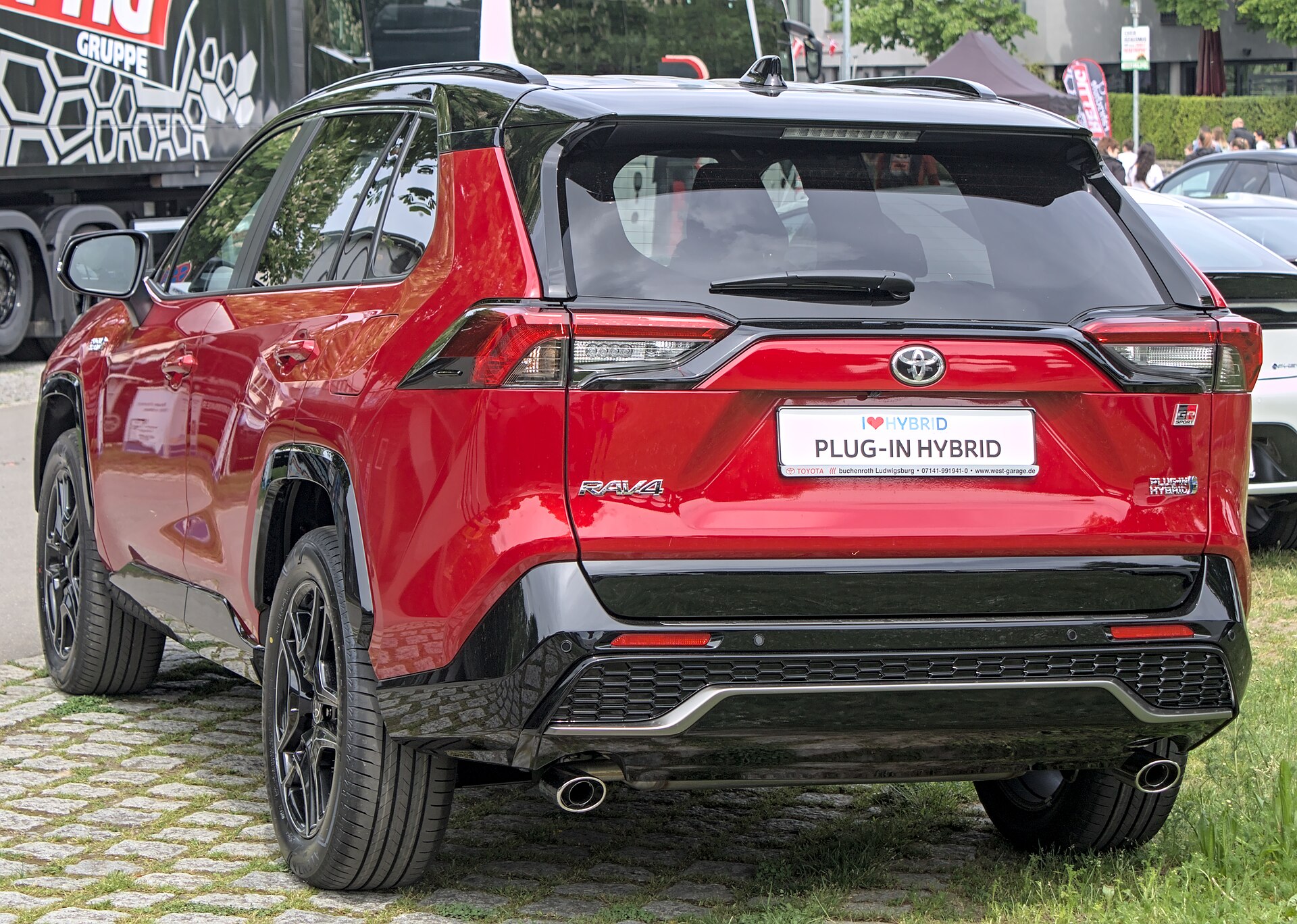
The 2019 Honda CR-V runs on petrol with an automatic transmission. The 2021 Toyota RAV4 is a hybrid with an automatic transmission. For a fleet buyer, fuel type is the main running cost difference. Hybrids typically use less fuel in stop-start city duty, while petrol models can be simpler to service in markets where hybrid technicians are less common. You should request real-world fuel consumption figures from the seller or check local fleet records for both models.
Both vehicles are left-hand drive SUVs. The CR-V has 62,000 km and the RAV4 has 39,000 km. Lower mileage on the RAV4 may mean more remaining tire and brake life, but hybrid battery condition is a separate check. Ask for a battery health report if available, and factor in local fuel prices and your daily route profile before deciding which running cost profile suits your fleet.
Parts Availability and Service Network
Toyota generally has a broad service network in Africa, the Middle East, South America, and the CIS. The RAV4 hybrid shares some components with other Toyota hybrids, but hybrid-specific parts like battery packs and inverters may need special order. The Honda CR-V has a strong presence in many of these regions, though not always as wide as Toyota. For both models, parts availability depends on your specific country and city.
Before you commit, contact local parts dealers and independent workshops for the 2019 CR-V and 2021 RAV4 hybrid. Ask about typical wait times for common items such as filters, brake pads, and suspension parts. For the RAV4, also ask about hybrid battery replacement lead times and cost. Do not assume availability based on brand alone. A simple phone survey of three to five parts suppliers in your market will give you a realistic picture.
Payload and Passenger Space
Both are five-seat SUVs, but exact payload and cargo volume vary by trim and configuration. The facts given do not include payload ratings or boot dimensions. For fleet use, you should measure the actual cargo area and check the vehicle placard for gross vehicle weight and payload. If you carry heavy equipment or full passenger loads daily, request the specific payload figure from the seller or inspect the vehicle in person.
Passenger space in the CR-V and RAV4 is generally similar for five adults, but seat comfort and rear legroom can differ by model year and trim. The RAV4 is two years newer and has lower mileage, which may mean less wear on seats and interior trim. For fleet buyers, test both vehicles with your typical passenger load and cargo. Do not rely on generic specifications; confirm dimensions and payload for the exact units you are considering.
Who Each One Suits
The 2019 Honda CR-V petrol suits fleet buyers who prefer a simpler petrol powertrain, have easy access to Honda parts, and want a proven SUV for mixed urban and highway use. It may appeal to operators in markets where hybrid service is limited. The higher mileage means you should budget for more wear items, but the lower acquisition cost of an older petrol model can offset that if parts are cheap locally.
The 2021 Toyota RAV4 hybrid suits fleet buyers who do high-mileage city routes, want lower fuel use, and have Toyota hybrid service nearby. Its lower mileage and newer year can mean fewer immediate repairs. However, hybrid battery and inverter repairs can be costly if they fail. Choose the RAV4 if fuel savings and newer condition matter most; choose the CR-V if simplicity and local Honda parts availability are your priority.
How to Verify Before You Buy
For both vehicles, request the full service history, accident records, and a pre-purchase inspection from a qualified mechanic. For the RAV4 hybrid, include a hybrid system diagnostic. For the CR-V, check for common petrol engine and transmission issues. Confirm the odometer readings: 62,000 km for the CR-V and 39,000 km for the RAV4. Verify that both are left-hand drive and automatic as stated.
Ask the seller for documents showing year, mileage, transmission, fuel type, and drive configuration. Do not accept verbal claims. For running cost, parts, and payload, gather local quotes and measurements rather than relying on general advice. A small upfront inspection and parts survey can prevent expensive surprises after import. Your final choice should match your routes, workshop access, and cargo or passenger needs.
Frequently asked questions
- Which is cheaper to run, the 2019 Honda CR-V or the 2021 Toyota RAV4 hybrid?
- The RAV4 hybrid typically uses less fuel, especially in city driving, but hybrid repairs can cost more if needed. The CR-V petrol is simpler, so running cost depends on local fuel prices and Honda parts availability.
- Are parts easier to find for the CR-V or the RAV4 in Africa, the Middle East, South America, and the CIS?
- Toyota usually has a wider service network in these regions, but hybrid-specific RAV4 parts may need special order. Honda CR-V parts are often available, but you should check with local suppliers for both models before buying.
- Which SUV is better for a fleet with high passenger or cargo loads?
- Both are five-seat SUVs, but payload and cargo space vary by trim. You should measure the actual cargo area and check the payload placard on each vehicle, because the facts given do not include those numbers.