Running Cost Considerations
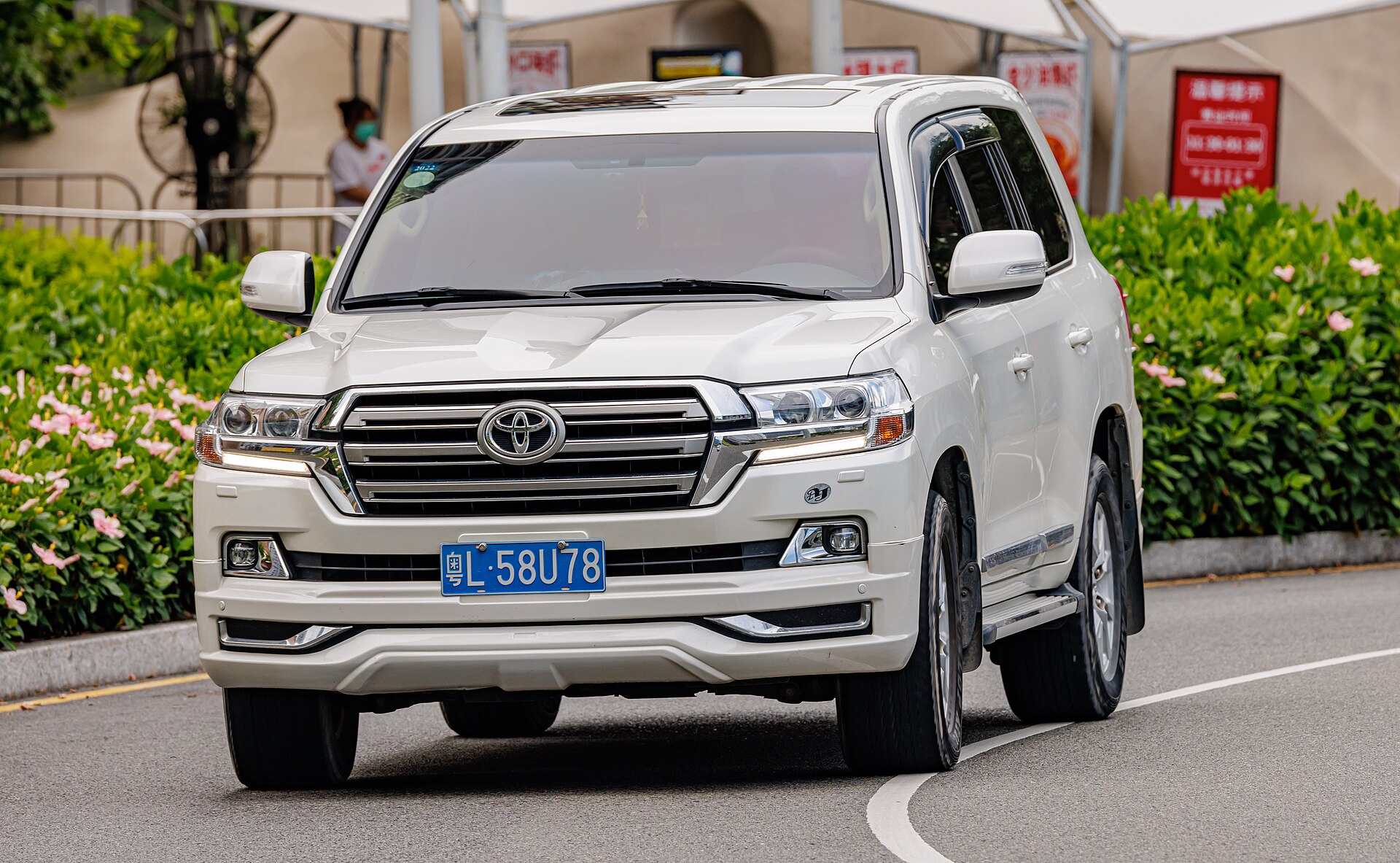
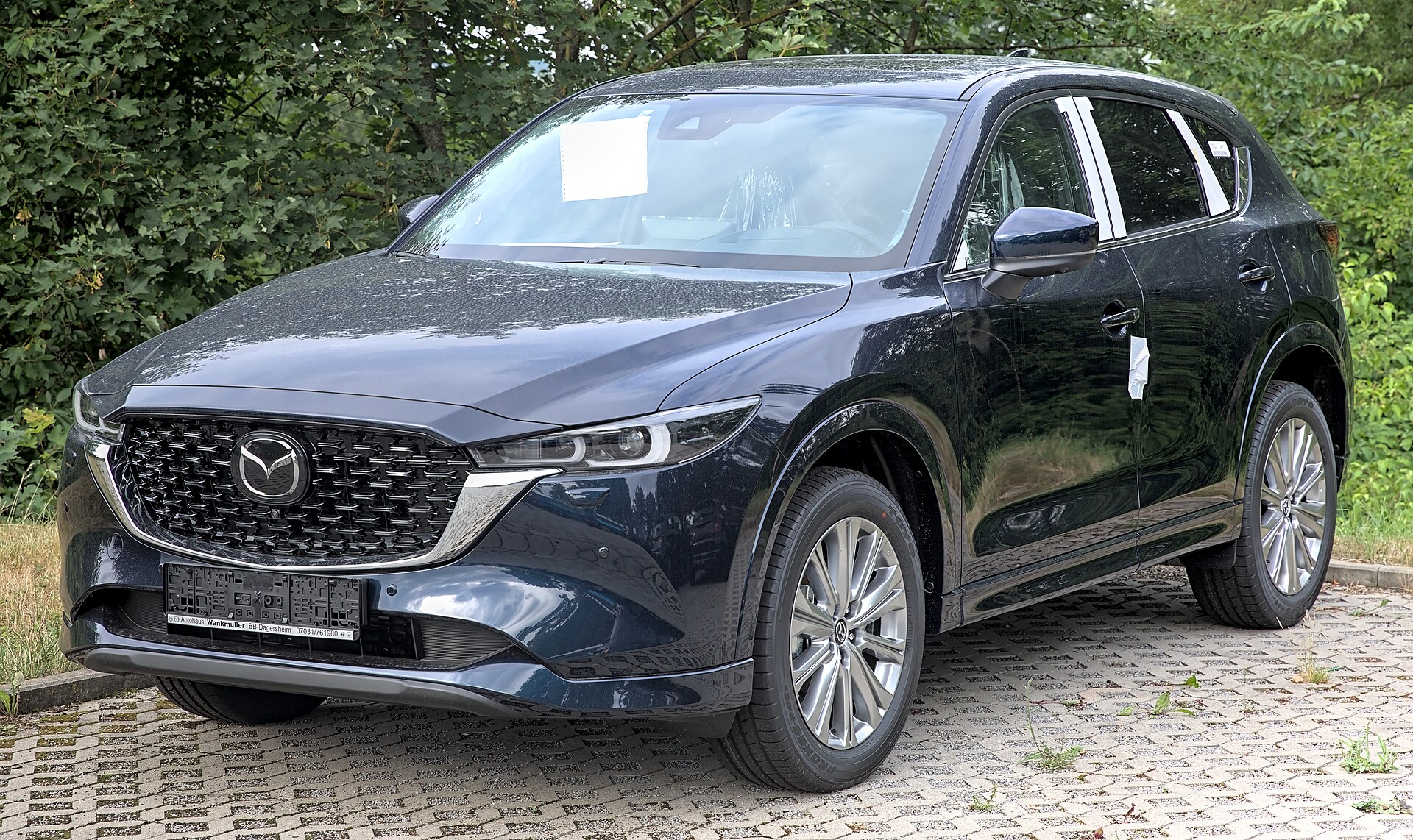
The Toyota Land Cruiser 200 runs on diesel, while the Mazda CX-5 uses petrol. Diesel often costs less per litre than petrol in many markets, but the Land Cruiser is a larger SUV with a bigger engine, so it will likely consume more fuel per kilometre. The CX-5, being a compact SUV with a petrol engine, typically delivers better fuel economy. To estimate actual running costs, request fuel consumption figures from the seller or check local fuel prices and typical route conditions.
Maintenance and repair costs also differ. The Land Cruiser 200 is a heavy-duty vehicle with complex systems, so parts and labour may be pricier. The CX-5 is a lighter crossover with fewer heavy-duty components, potentially lowering routine service costs. However, without specific parts pricing, you should ask for a maintenance schedule and compare local labour rates. Consider tyre size, oil capacity, and service intervals as these affect long-term expenses.
Parts Availability and Service Network
Toyota has a widespread presence in Africa, the Middle East, South America, and the CIS, so Land Cruiser 200 parts are generally easy to find through dealer networks and independent suppliers. This model is common in fleet and off-road use, meaning many mechanics are familiar with it. For the Mazda CX-5, parts availability can vary by region; in some markets Mazda has a strong dealer network, while in others it may be more limited. Check with local importers or parts dealers about common spares like filters, brakes, and suspension components.
The Land Cruiser 200 shares some components with other Toyota models, which can help with availability. The CX-5, being a Mazda, may require ordering specific parts if not stocked locally. For fleet buyers, downtime is costly, so verify how quickly you can source parts for each model in your operating area. Ask for a list of recommended spare parts and their typical lead times from your supplier or local workshop.
Payload and Passenger Space
The Land Cruiser 200 is a full-size SUV with three rows of seats, offering ample passenger space and a large cargo area. It can carry up to seven or eight occupants depending on configuration, and its body-on-frame design supports higher payload and towing capacities. This makes it suitable for transporting people and equipment over rough terrain. The Mazda CX-5 is a compact SUV with two rows, typically seating five passengers. Its cargo space is smaller, and payload capacity is lower, making it less suited for heavy loads or large teams.
For fleet buyers, passenger space and payload directly affect operational flexibility. If you need to move many people or carry heavy gear, the Land Cruiser 200 is the clear choice. If your fleet primarily transports small groups or light cargo, the CX-5 may suffice. Consider your daily passenger count and typical cargo weight. Also check the specific payload rating for each vehicle, as it can vary by trim and options. Request the vehicle's specification sheet for exact figures.
Who Each Vehicle Suits
The Toyota Land Cruiser 200 suits fleet buyers who need a robust, high-capacity SUV for challenging environments. It is ideal for operations in remote areas, mining, construction, or security, where durability and off-road capability are priorities. Its diesel engine and automatic transmission provide torque for heavy loads. However, it demands a higher initial investment and ongoing running costs. If your fleet requires maximum passenger and cargo capacity with proven reliability in tough conditions, this model is a strong candidate.
The Mazda CX-5 fits fleet buyers seeking a more economical, city-friendly SUV for lighter duties. It works well for sales teams, small group transport, or administrative use where fuel efficiency and lower maintenance are valued. Its petrol engine and automatic transmission offer smooth driving on paved roads. It is not designed for heavy payloads or extreme off-road use. If your routes are mostly urban or highway and you carry fewer passengers, the CX-5 can be a cost-effective addition to your fleet.
Frequently asked questions
- Which model has lower running costs?
- The Mazda CX-5 likely has lower fuel and maintenance costs due to its smaller petrol engine and lighter build. However, actual costs depend on local fuel prices, driving conditions, and parts availability, so request consumption and service data from the seller.
- Are parts easy to find for both models?
- Toyota Land Cruiser 200 parts are widely available in many export markets due to Toyota's extensive network. Mazda CX-5 parts may be less common in some regions, so check with local suppliers about stock and lead times before committing.
- Which is better for carrying passengers and cargo?
- The Land Cruiser 200 offers more passenger seats and greater payload capacity, making it better for heavy-duty fleet use. The CX-5 is limited to five passengers and lighter cargo, so it suits smaller teams or light loads.