Running Cost: Fuel and Maintenance
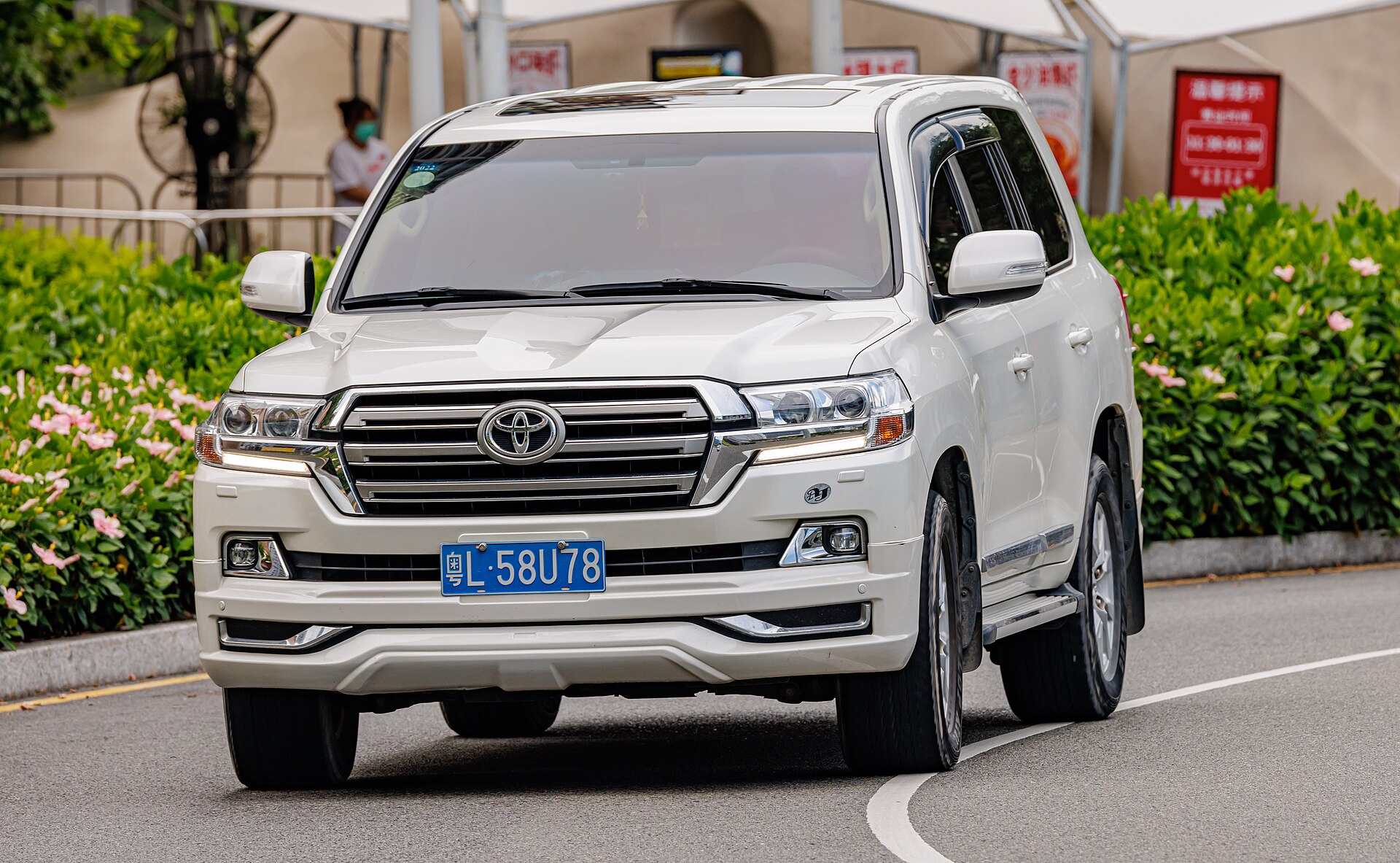
The 2019 Honda CR-V runs on petrol, while the 2018 Toyota Land Cruiser 200 uses diesel. Diesel often costs less per litre in many markets, but the Land Cruiser 200 is a larger, heavier SUV, so its real-world fuel consumption will likely be higher. The CR-V's petrol engine may deliver better fuel economy, but you should verify local fuel prices and consumption figures for your routes. For maintenance, the CR-V's smaller engine and lighter build may mean lower routine costs, but the Land Cruiser's robust design could mean longer service intervals. Always request a full service history for both vehicles.
To estimate running costs accurately, ask the seller for fuel consumption data, service records, and any recent repair invoices. For the CR-V, check the timing belt or chain service history. For the Land Cruiser 200, inspect the diesel injectors and turbocharger condition. Because both are used, actual costs depend on their current condition. You should also factor in local taxes, insurance, and any required modifications for your market. Without specific numbers, use your own fuel and parts quotes to build a cost model.
The CR-V's automatic transmission and petrol engine are common in many markets, which can simplify servicing. The Land Cruiser 200's diesel engine and automatic transmission are also widely recognized, but parts for a full-size SUV may be more expensive. For fleet buyers, the key is to compare total cost per kilometre over your expected ownership period. Gather quotes from local mechanics for common repairs on both models. This will give you a realistic picture rather than relying on assumptions.
Parts Availability and Service Network
Toyota has a strong global presence, and the Land Cruiser 200 is a popular model in Africa, the Middle East, South America, and the CIS. This often means easier access to parts and trained mechanics. Honda also has a broad network, but the CR-V may have fewer dedicated service points in some remote areas. For fleet buyers, consider where your vehicles will operate. If you are in a region with many Toyota dealers, the Land Cruiser 200 may be simpler to maintain. If Honda is well represented, the CR-V could be equally practical.
Parts availability also depends on the specific generation and engine. The 2018 Land Cruiser 200 diesel may share components with other Toyota models, which can help. The 2019 CR-V petrol may have parts that are less common outside major cities. You should check local parts suppliers for both models before committing. Ask for part numbers and compare prices and lead times. For critical components like brakes, filters, and suspension, ensure you can source them quickly. A vehicle that is off the road waiting for parts costs money.
When evaluating parts, consider both original and aftermarket options. For the Land Cruiser 200, there is often a wide range of aftermarket parts due to its popularity. For the CR-V, aftermarket support may be more limited in some markets. You should also check if your local mechanics are familiar with the CR-V's petrol engine and the Land Cruiser's diesel engine. Training and diagnostic tools can affect repair times. Always ask for references from other fleet operators in your area.
Payload and Passenger Space
The Toyota Land Cruiser 200 is a full-size SUV, typically offering more passenger space and a higher payload capacity than the compact Honda CR-V. If you need to carry seven or eight people, or transport heavy equipment, the Land Cruiser 200 is likely the better choice. The CR-V is a five-seater with a smaller cargo area. For fleet buyers, match the vehicle to the task. If you are moving people in comfort over rough terrain, the Land Cruiser 200 may be more suitable. If you need a nimble vehicle for light duties, the CR-V could work.
Check the specific payload ratings for each vehicle, as they can vary by configuration. The Land Cruiser 200's body-on-frame construction usually supports heavier loads, while the CR-V's unibody design is lighter. For passenger space, the Land Cruiser 200 often has a third row, but you should confirm if it is present in the vehicle you are considering. The CR-V's rear seats may be adequate for smaller teams. Consider your typical load: number of passengers, luggage, and any special equipment. This will guide your choice.
If you plan to tow trailers or mount heavy accessories, the Land Cruiser 200's larger engine and chassis may be more capable. The CR-V may have lower towing limits. Always verify the gross vehicle weight rating and axle capacities for the exact vehicles. For fleet operations, overloading can lead to premature wear and safety issues. Choose a vehicle that meets your payload needs without consistently running at its maximum. This will reduce maintenance costs and downtime.
Who Each Vehicle Suits
The 2019 Honda CR-V petrol is well-suited for fleet buyers who need a compact SUV for urban or suburban duties, with moderate passenger and cargo needs. It may appeal to businesses that prioritize fuel economy and lower purchase cost. The 2018 Toyota Land Cruiser 200 diesel is better for demanding environments, such as mining, construction, or remote transport, where durability and off-road capability are important. It also suits fleets that need to carry more people or heavier loads. Consider your operating conditions and budget.
If your fleet operates in areas with limited fuel quality, the CR-V's petrol engine may be more tolerant, but the Land Cruiser 200's diesel is designed for tough conditions. For long-distance travel on poor roads, the Land Cruiser 200's larger fuel tank and robust suspension may be advantageous. The CR-V is easier to park and maneuver in cities. For mixed fleets, you might use both: CR-Vs for light tasks and Land Cruiser 200s for heavy ones. Assess your daily routes and load requirements.
Ultimately, the choice depends on your specific needs. The CR-V offers a lower entry point and may be cheaper to run if fuel economy is a priority. The Land Cruiser 200 offers greater capability and space but likely higher running costs. For fleet buyers, test both vehicles if possible, and consult with local operators. Remember that both are used, so condition and service history matter as much as the model. Choose based on total cost of ownership and fitness for purpose.
Frequently asked questions
- Which is cheaper to run: the Honda CR-V or the Toyota Land Cruiser 200?
- The Honda CR-V petrol may have lower fuel and maintenance costs due to its smaller size, but the Land Cruiser 200 diesel could be more fuel-efficient in some conditions. You should compare local fuel prices and service quotes for both.
- Are parts easy to find for both models in Africa and the Middle East?
- Toyota generally has a wider network, so Land Cruiser 200 parts may be easier to source. Honda CR-V parts are also available but may be less common in remote areas. Check with local suppliers.
- Which vehicle is better for carrying passengers and cargo?
- The Toyota Land Cruiser 200 typically offers more passenger space and higher payload capacity than the Honda CR-V. If you need to carry seven or more people or heavy loads, the Land Cruiser 200 is likely more suitable.