Running Cost: Fuel Versus Electricity
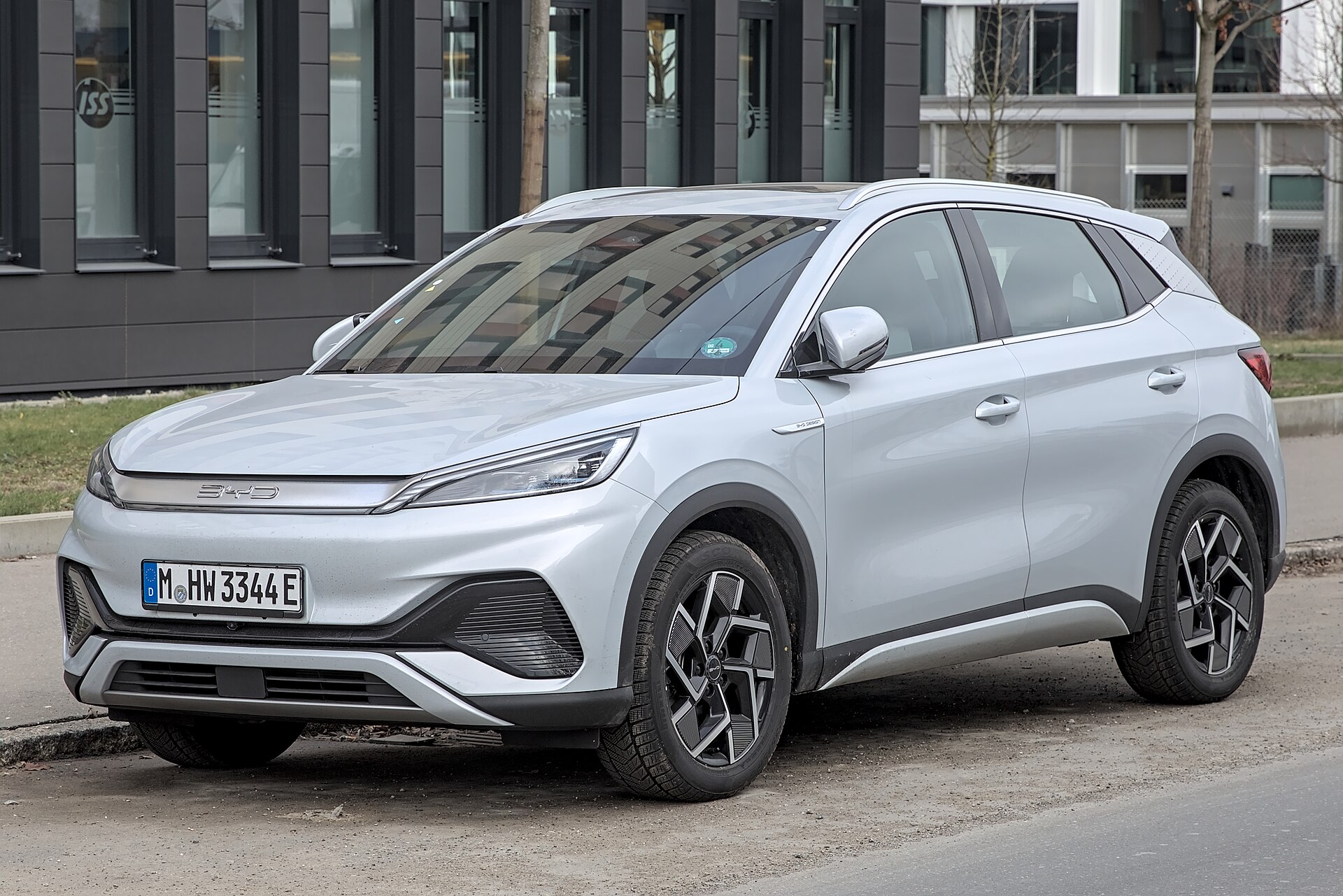
The Honda CR-V 2019 is a petrol automatic, so its running cost depends on local pump prices and real-world consumption. The BYD Atto 3 2022 is electric, meaning energy cost comes from your local tariff or charging arrangement. To compare accurately, ask your supplier for consumption figures or test both on your own routes. Do not assume one is cheaper without checking your electricity rate, daily mileage, and access to charging.
Maintenance also differs. The CR-V has an engine, transmission, and exhaust system that require periodic service items. The Atto 3 has fewer moving parts in its drivetrain, but high-voltage systems and battery health still need qualified inspection. For a fleet, calculate cost per kilometre using your own fuel or power prices, then add scheduled service costs from a local workshop. That gives a real running cost picture rather than a guess.
Parts Availability and Service Network
Honda has a long-established global parts network, so CR-V components are often easier to source through independent importers and aftermarket suppliers. In many fleet markets, mechanics are familiar with petrol Honda SUVs, which can reduce downtime. However, you should still confirm local stock for wear items like brakes, filters, and suspension parts before committing to a volume order.
BYD is a newer brand in many export destinations, so Atto 3 parts may be less common outside major cities. Electric-specific components, such as battery modules and power electronics, often require authorised channels. Before buying, ask your supplier which parts are available in your region and identify at least one workshop trained on high-voltage EVs. If local support is thin, the CR-V may be the lower-risk choice for immediate fleet use.
Payload and Passenger Space
Both vehicles are SUVs with five seats and left-hand drive. The CR-V 2019 is known for a practical cabin and a large cargo area, which suits fleets carrying equipment or luggage. The Atto 3 2022 also offers five seats and a usable boot, but its floor may be higher due to the battery pack. For passenger comfort, sit in both and check rear legroom and headroom with your typical load.
Payload ratings are not provided here, so you must verify them from the vehicle specification plate or supplier documentation. If your fleet regularly carries heavy tools or five adults plus cargo, compare the gross vehicle weight and axle limits of each model. Do not rely on general claims. Ask for the exact payload figure for the specific unit you intend to import, then match it to your daily duty cycle.
Who Each One Suits
The Honda CR-V 2019 petrol automatic suits fleet buyers who need proven fuel infrastructure, wide parts availability, and easy service access. It is a sensible choice for mixed routes, long-distance travel, or regions where charging is unreliable. With 62,000 km, it is a used vehicle, so a thorough inspection of engine, transmission, and suspension is essential before purchase.
The BYD Atto 3 2022 electric automatic suits fleets with short, predictable daily routes and access to reliable charging. With 22,000 km, it is relatively low mileage for its age, but battery health and software condition must be checked. It may appeal to buyers in cities with growing EV support. If your operation cannot guarantee charging or EV service, the CR-V is the more practical starting point.
How to Decide for Your Fleet
Start by mapping your daily routes, load weight, and passenger count. Then confirm local energy prices, charging access, and workshop skills for each model. Ask your supplier for the specific vehicle identification number, inspection report, and any available service history. For the CR-V, focus on engine and transmission condition. For the Atto 3, focus on battery state of health and charging equipment compatibility.
Finally, compare total cost of ownership over your intended holding period, not just the purchase price. Include energy, scheduled maintenance, tyres, insurance, and expected downtime. If you lack data for any item, request it from the supplier or a local operator. A fleet decision should be based on verified numbers for your market, not on general assumptions about petrol versus electric SUVs.
Frequently asked questions
- Which is cheaper to run, the Honda CR-V or the BYD Atto 3?
- It depends on your local petrol and electricity prices plus daily mileage. Calculate cost per kilometre using your own tariffs and service costs before deciding.
- Are parts easier to find for the CR-V or the Atto 3?
- Honda has a longer global parts network, so CR-V components are often easier to source. BYD Atto 3 parts may require authorised channels, so check local availability first.
- Which SUV is better for a fleet with heavy loads?
- Payload figures are not provided here, so verify the gross vehicle weight and axle limits for each specific unit. Match those numbers to your typical load and passenger requirements.