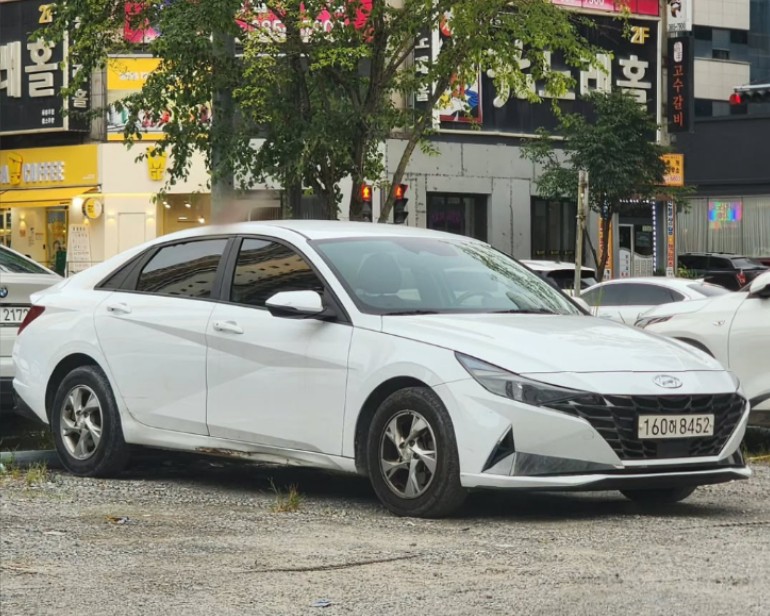
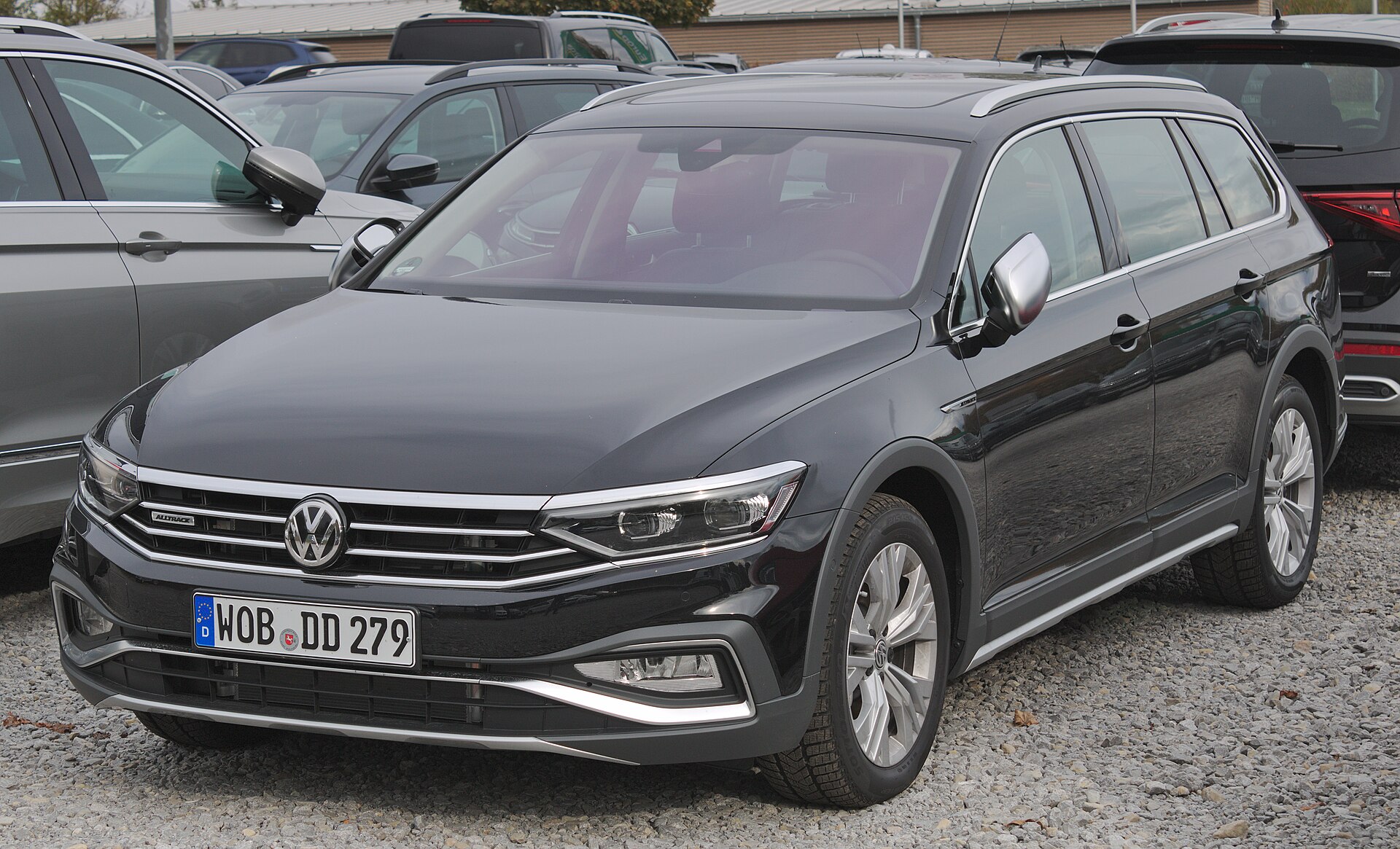
What the 2020 Honda Civic Sedan Is
The 2020 Honda Civic is a front-wheel-drive sedan with a petrol engine and automatic transmission. This particular unit is left-hand drive and shows 48,000 kilometers on the odometer. It falls into the compact sedan category, a segment that many buyers in Africa, the Middle East, South America, and the CIS know well. The Civic nameplate has been around for decades, so most markets have some familiarity with it. For a trade buyer, that means less time explaining the model to end users.
As a sedan, the Civic offers a traditional three-box shape with a separate trunk. That layout appeals to buyers who want a practical car for daily driving, taxi service, or company fleets. The automatic transmission makes it easier to resell in markets where manual gearboxes are falling out of favor. Since it is left-hand drive, it suits countries that drive on the right side of the road. The petrol engine is a common choice where diesel is less popular or harder to source.
Ownership Experience for Resellers and Fleets
From an ownership standpoint, the 2020 Civic sedan is generally considered a comfortable and efficient car. The automatic transmission smooths out city driving, which matters if your buyers use the car for ride-hailing or daily commuting. The petrol engine is typically quieter than a diesel, and it does not require the same exhaust treatment fluids. For fleet operators, that can simplify maintenance schedules. The sedan body style also provides a decent-sized trunk for luggage or small cargo, which many business users appreciate.
However, the Civic is not a rugged utility vehicle. It sits lower to the ground than an SUV or pickup, so it may not suit markets with poor road conditions. If your buyers often face unpaved roads or deep potholes, they may prefer a different category. Also, the Civic is a car that rewards regular servicing. Neglecting oil changes or transmission fluid can lead to costly repairs. For a trade buyer, it is worth checking the service history of any unit before you commit to a purchase.
Servicing and Maintenance Considerations
Servicing a 2020 Honda Civic is usually straightforward for any workshop familiar with Japanese brands. The petrol engine and automatic transmission are common configurations, so many independent garages can handle routine work like oil changes, brake pads, and filters. You do not need a specialist dealer for basic maintenance. That said, the Civic may use some electronic systems that require a diagnostic scanner to read fault codes. If your market lacks such tools, simple repairs could become more complicated. It is wise to confirm what equipment local workshops have.
For trade buyers, the key is to source a unit with a complete service record if possible. At 48,000 kilometers, the car is likely due for some preventive maintenance. You should ask the seller what has been done and what is pending. If you cannot verify the history, budget for a full fluid and filter change after import. That way, you start with a clean baseline. Also, check that the automatic transmission shifts smoothly during a test drive. Any hesitation or jerking could indicate a problem that is expensive to fix.
Parts Availability and Sourcing
Honda Civic parts are generally available in many markets, but availability varies by region. In large cities across Africa, the Middle East, South America, and the CIS, you can often find aftermarket or OEM parts through local distributors. However, in remote areas, you may need to order parts from abroad, which adds time and cost. For trade buyers, it is important to research what is stocked locally before you import a batch. If a certain part is scarce, your customers may face long waits, which hurts your reputation.
To assess parts availability, start by contacting local auto parts stores or workshops that service Honda models. Ask them which parts they keep on the shelf and which ones they order. You can also check online forums or trade groups for your target market. If you plan to import multiple units, consider keeping a small stock of fast-moving parts like filters, belts, and brake components. That can reduce downtime for your buyers. Remember that the 2020 Civic is a relatively recent model, so some parts may still be dealer-only in certain countries.
Buying and Importing This Civic
When you are considering a 2020 Honda Civic for export, focus on the condition and documentation. The fact that it is left-hand drive and automatic makes it suitable for many markets, but you should confirm that your target country allows import of this model year and emission standard. Check the mileage of 48,000 kilometers against the service records. If the history is missing, treat the car as needing a full inspection. Also, verify that the vehicle has no outstanding recalls or legal issues. A clear title and export paperwork are essential.
For pricing, you will need to get quotes from your supplier or shipping agent. We cannot provide a price here because it depends on your location, volume, and current market conditions. Instead, ask your supplier for a detailed quote that includes the vehicle cost, any export fees, and freight to your port. Compare that with local market prices for similar Civics. If the numbers work, proceed with a small test order before committing to a larger batch. That approach limits your risk and lets you gauge demand.
Frequently asked questions
- Is the 2020 Honda Civic a good choice for taxi or ride-hailing fleets?
- Yes, many operators use the Civic sedan for ride-hailing because it is comfortable and fuel-efficient. The automatic transmission and petrol engine are easy to drive in city traffic, but you should ensure regular servicing to avoid costly repairs.
- How easy is it to find parts for a Honda Civic in Africa or the Middle East?
- Parts availability varies by country and city. In major urban areas, you can often find common parts through local distributors, but remote regions may require ordering from abroad. Check with local workshops before importing.
- What should I check before importing a used 2020 Civic?
- Verify the service history, mileage, and legal status of the vehicle. Confirm that your target market allows this model year and emission standard. Also, test the automatic transmission and inspect for any signs of neglect or accident damage.