Running cost
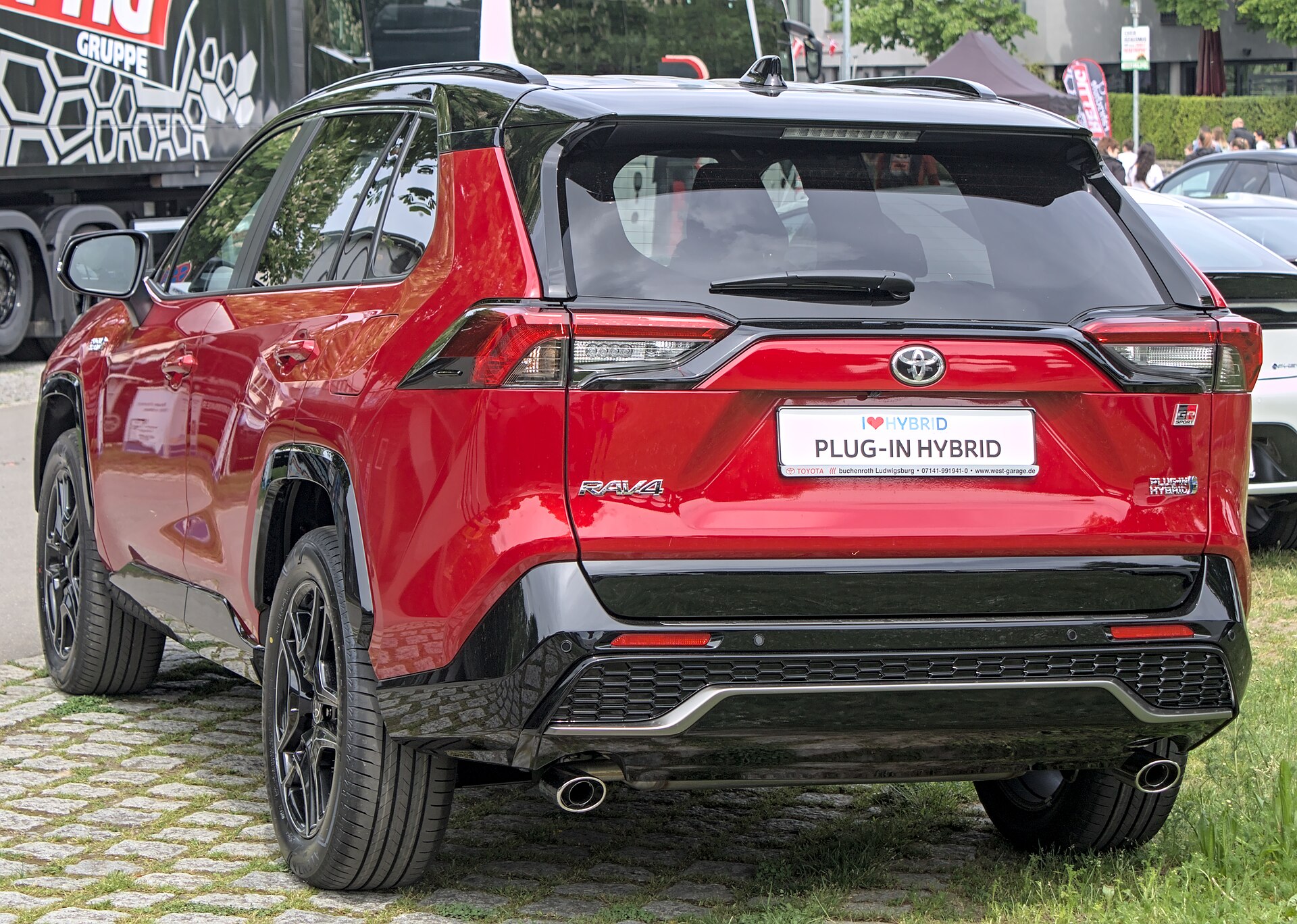
The 2021 Toyota RAV4 is a hybrid, while the 2020 Haval H6 is petrol only. Hybrids typically use less fuel in stop-start city duty, which can lower fuel spend for fleets covering many urban kilometres. The H6 may have a lower purchase price, but you must confirm current fuel prices and consumption figures for your own market. Ask your supplier for real-world litres per 100 km from similar vehicles, and calculate cost per kilometre using your local fuel price.
The Haval H6 has 7,800 km, far lower than the RAV4's 39,000 km. Lower mileage can mean less immediate wear on tyres, brakes and suspension, but it does not guarantee lower running cost. The RAV4's hybrid system may need specialist servicing, while the H6's petrol engine is a more familiar layout for many workshops. Request service histories and check what routine maintenance each model needs in your operating conditions.
Parts availability
Toyota has a long-established presence in Africa, the Middle East, South America and the CIS, so RAV4 parts are often easier to source through independent importers and local dealers. Haval is a newer brand in many of these markets, and H6 parts may take longer to find outside major cities. Before you commit, ask local parts traders whether they stock Haval H6 components such as filters, brake pads and suspension parts.
For the RAV4 hybrid, note that some drivetrain parts are specific to hybrid models and may not be shared with petrol RAV4s. That can affect both availability and price. For the H6, check whether consumables like belts, hoses and sensors are available locally or must be imported. A simple test is to request quotes for a standard service kit and a common wear item for each model from your own market.
Payload and passenger space
Both are SUVs, so both offer five-seat passenger space and a rear cargo area. The Haval H6 and Toyota RAV4 are comparable in class, but exact payload and boot volume vary by trim and configuration. Since the facts do not include these figures, ask your supplier for the specific vehicle's gross vehicle weight, kerb weight and boot capacity in litres. For fleet use, match those numbers to your actual load: passengers, luggage, tools or equipment.
The RAV4 hybrid may have slightly different weight distribution because of its battery, which can affect payload limits. The H6, being petrol only, may have a simpler weight profile. Do not assume one is better without the numbers. Request a photo of the vehicle's specification plate or compliance label, and confirm seating configuration and fold-flat capability if you carry long items.
Who each one suits
The 2020 Haval H6 petrol suits fleet buyers who want a low-mileage SUV and are willing to manage parts sourcing more actively. It may appeal if your routes are less demanding and you have a workshop that can handle a newer brand. If your fleet operates in a region where Haval support is thin, plan for longer downtime when a part is needed. Confirm local parts availability before you buy.
The 2021 Toyota RAV4 hybrid suits fleets that prioritise fuel savings in city and suburban duty, and that value easier parts access through Toyota's wider network. Its higher mileage means you should inspect wear items closely. It may also suit buyers who already run Toyota vehicles and want commonality. If your fleet is mixed or you need maximum parts choice, the RAV4 is often the lower-risk option.
How to choose
Start by defining your duty cycle: daily distance, load, road conditions and access to service centres. Then request from your supplier the full service history, accident history and specification sheet for each vehicle. Compare fuel cost per kilometre using your local fuel price, and get parts quotes for a standard service kit and one common repair item. That will show you the real running cost difference in your market.
Next, confirm payload and passenger space against your actual needs. If you carry heavy loads, ask for the gross vehicle weight and kerb weight. If you carry passengers, check rear legroom and seat configuration. Finally, check whether your local workshops can service a hybrid RAV4 and a Haval H6. If either brand lacks support, factor that into your decision. Buy only after you have verified the facts for your own operating conditions.
Frequently asked questions
- Which is cheaper to run, the Haval H6 or the Toyota RAV4?
- The RAV4 hybrid may use less fuel, but the H6 has much lower mileage. You must calculate cost per kilometre using your local fuel price and parts costs. Ask your supplier for real-world consumption figures and service kit prices for both.
- Are parts easier to find for the Toyota RAV4 than the Haval H6?
- Toyota generally has a wider parts network in Africa, the Middle East, South America and the CIS. Haval parts may be harder to source outside major cities. Check with local parts traders before you buy either model.
- Which one is better for a fleet with mixed passenger and cargo duty?
- Both are five-seat SUVs, but payload and boot space vary by trim. Request the gross vehicle weight, kerb weight and boot capacity in litres for each specific vehicle. Then match those numbers to your actual load and passenger needs.