Running Cost
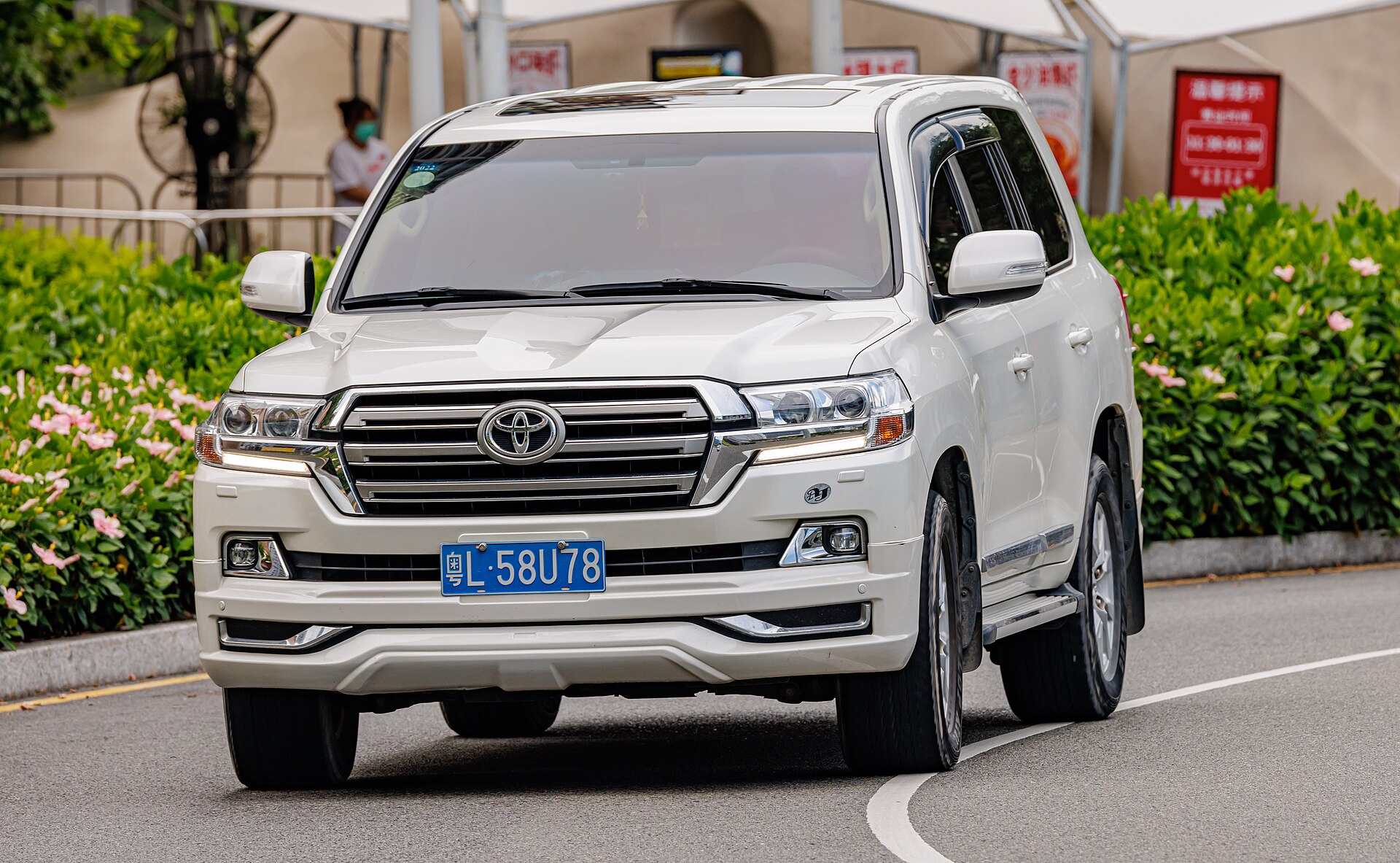
The Haval H6 is a petrol automatic with 7,800 km, so it is nearly new and may have lower maintenance needs in the short term. The Land Cruiser 200 is a diesel automatic with 96,000 km, which typically means higher fuel efficiency but greater wear on components. For running cost, ask your supplier for fuel consumption figures and local service pricing, as these vary by market and driving conditions.
Diesel versus petrol affects operating expenses differently across regions. In some markets diesel is cheaper per litre, while in others petrol is more accessible. The H6's low mileage could mean fewer immediate repairs, but the Land Cruiser's higher mileage may require more frequent servicing. Request a detailed service history and inspection report for each vehicle to estimate annual running costs accurately.
Parts Availability
Toyota has a long-established global parts network, so Land Cruiser 200 components are often easier to source in Africa, the Middle East, South America, and the CIS. Haval, as a newer brand in many export markets, may have a narrower parts supply chain. Before ordering, check with local distributors or independent importers about typical lead times for common spares like filters, brakes, and suspension parts.
For the Haval H6, parts availability can vary by country. Some markets have growing aftermarket support, while others rely on specialist importers. The Land Cruiser 200 benefits from decades of presence, meaning more independent mechanics are familiar with it. Ask your supplier whether they can recommend parts sources or provide a list of commonly replaced items for each model.
Payload and Passenger Space
Both are SUVs, but the Land Cruiser 200 is a full-size model with three rows and a larger cargo area, making it suitable for carrying more passengers or heavier loads. The Haval H6 is a mid-size SUV, typically with two rows and a smaller boot. If your fleet needs to move seven people or bulky equipment, the Land Cruiser offers more space. For lighter passenger duty, the H6 may be sufficient.
Check the exact seating configuration and payload rating for each vehicle, as these can vary by trim. The H6's 7,800 km suggests minimal wear on interior and cargo surfaces, while the Land Cruiser's 96,000 km may show more use. Request photos of the interior and cargo area, and confirm the number of seats and maximum load capacity from the supplier's specification sheet.
Who Each One Suits
The Haval H6 suits fleet buyers who need a low-mileage, petrol SUV for light passenger transport or urban duties where parts for Chinese brands are available. It may appeal to operators in markets with growing Haval support. The Land Cruiser 200 fits fleets requiring a rugged, diesel-powered workhorse for long-distance travel, heavy loads, or off-road conditions, especially where Toyota parts are common.
Consider your typical routes, load requirements, and local service network. If your fleet operates in remote areas with limited access to Haval spares, the Land Cruiser may be more practical. If your routes are shorter and you prioritise a newer vehicle with lower mileage, the H6 could be a better fit. Always verify parts availability and service options in your specific market before committing.
Frequently asked questions
- Which vehicle has lower running costs?
- The Haval H6 has lower mileage, which may reduce immediate maintenance, but the Land Cruiser 200 diesel could offer better fuel economy. Actual running costs depend on local fuel prices and service rates, so request quotes from your market.
- Are parts for the Haval H6 easy to find in Africa?
- Parts availability for Haval varies by country and is generally less established than for Toyota. Check with local importers or distributors to confirm what is stocked and typical lead times for common components.
- Can the Haval H6 carry as many passengers as the Land Cruiser 200?
- No, the Land Cruiser 200 is a full-size SUV with three rows, while the Haval H6 is a mid-size SUV with two rows. Confirm exact seating capacity from the supplier's specifications for each vehicle.