Running Cost Considerations
For a fleet buyer, running cost is a major factor. The 2020 Haval H6 has 7,800 km, while the 2019 Mazda CX-5 has 67,000 km. Lower mileage on the Haval suggests less wear on components, potentially reducing near-term maintenance. However, actual fuel consumption and service costs depend on driving conditions and local parts pricing. You should request real-world fuel economy data from the seller or check owner forums for both models to estimate fuel expenses accurately.
Both vehicles are petrol automatics, so fuel type is the same. The Mazda CX-5, being older with higher mileage, may need more frequent servicing or replacement of wear items like brakes and suspension. To compare running costs, ask for service records and typical parts prices in your market. Without specific numbers, focus on the mileage difference and how it might affect your budget over the first year of fleet operation.
Parts Availability and Service Network
Parts availability varies by region. Mazda has a long-established global presence, so CX-5 parts are often widely available through independent suppliers and dealerships. Haval, while growing, may have a less dense parts network in some markets. For fleet buyers, this means the Mazda could be easier to service quickly, reducing downtime. However, you should verify local parts stock for both models by contacting regional distributors or checking online parts platforms.
Consider the age and mileage of each vehicle. The 2019 Mazda CX-5 with 67,000 km may already have a known parts demand pattern, making it easier for suppliers to stock common items. The 2020 Haval H6 with only 7,800 km is relatively new, so parts might still be less common in aftermarket channels. To assess availability, ask local mechanics or fleet operators about their experience with these brands in your country.
Payload and Passenger Space
Both are SUVs, so passenger space is a key consideration. The Haval H6 and Mazda CX-5 typically offer seating for five. Without exact dimensions, you should compare legroom, headroom, and cargo volume using official specifications or by inspecting the vehicles if possible. For fleet use, consider whether you need to carry five adults comfortably or if you often haul equipment. The CX-5 is known for a refined interior, while the H6 may offer a slightly different layout.
Payload capacity affects how much you can carry. Neither vehicle is a heavy-duty hauler, but differences exist. Check the gross vehicle weight rating and curb weight from the manufacturer to calculate payload. For fleet buyers, if you frequently carry heavy loads, verify these figures. Also, note that the Haval H6 is left-hand drive, as is the Mazda CX-5, so both suit markets where LHD is required.
Who Each One Suits
The 2020 Haval H6 with low mileage may suit fleets that prioritize newer vehicles with less immediate wear. It could be a good fit for buyers in markets where Haval parts are becoming more available, or for those willing to manage parts sourcing. Its petrol automatic and LHD configuration make it suitable for urban and suburban fleet roles where passenger comfort and lower maintenance intervals are valued.
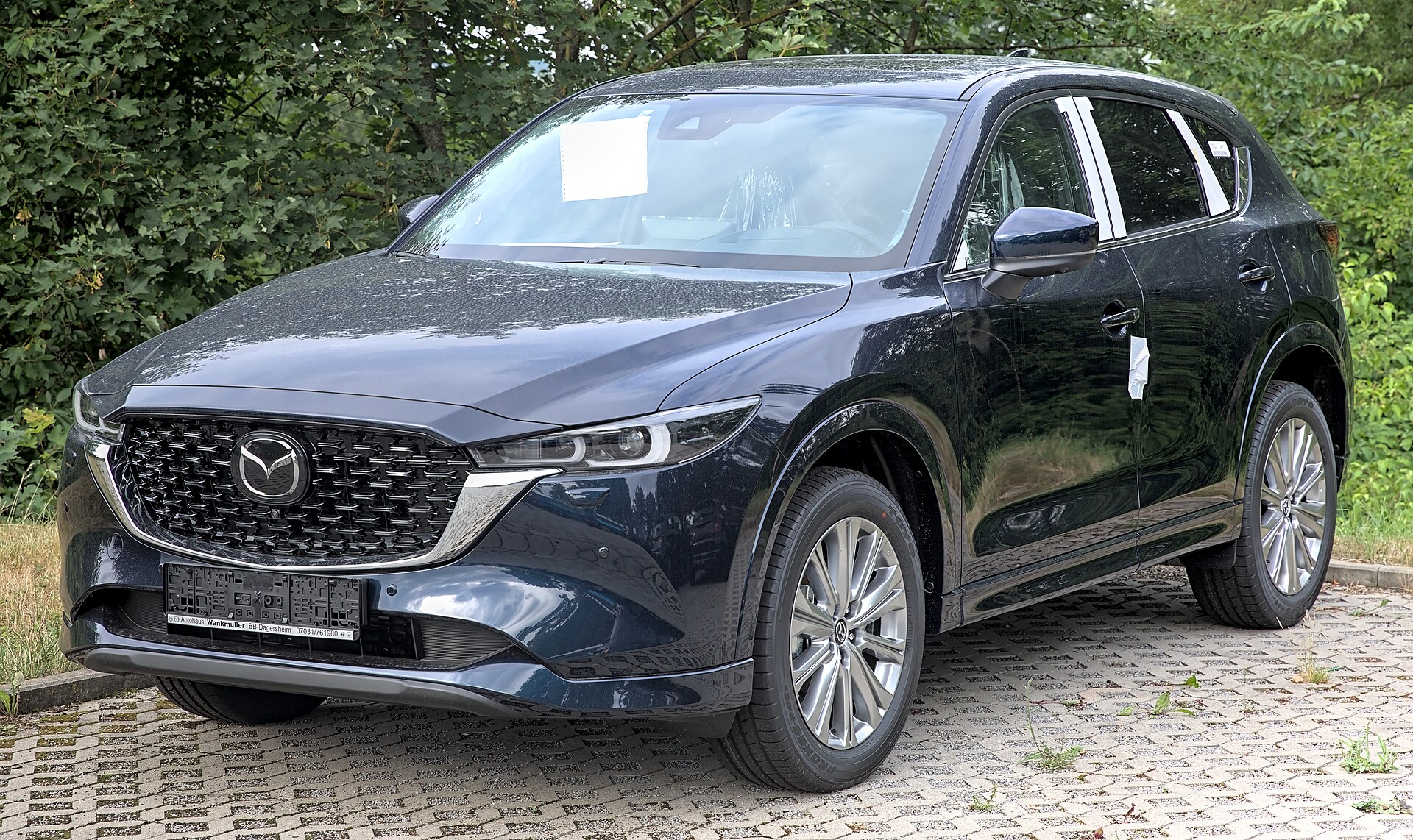
The 2019 Mazda CX-5 with higher mileage may appeal to fleets that value proven reliability and widespread parts access. It could suit operators in regions with strong Mazda service networks, or those who need a vehicle with a known track record. For fleet buyers, the CX-5 might be better for high-utilization roles where quick repairs and parts availability are critical. Assess your local support before deciding.
Making Your Decision
To choose between these two, start by gathering local data. Contact parts suppliers for price and availability of common components for both models. Ask fleet operators in your area about their experiences. Request full service histories and inspection reports for the specific vehicles you are considering. Compare total cost of ownership over your planned ownership period, factoring in fuel, maintenance, and downtime.
Remember that both vehicles are used and sold as-is, with no warranty implied. Your decision should be based on your fleet's needs, local support, and budget. If you need a newer vehicle with lower mileage, the Haval H6 may be attractive. If you prefer a model with a longer market presence and easier parts access, the Mazda CX-5 could be the better choice. Always verify details before purchase.
Frequently asked questions
- Which vehicle has lower running costs?
- The 2020 Haval H6 has much lower mileage at 7,800 km versus 67,000 km for the Mazda CX-5, which may mean fewer immediate repairs. However, actual running costs depend on local fuel prices and parts costs, so request service records and check with local suppliers.
- Are parts easier to find for the Mazda CX-5?
- Mazda has a long global presence, so CX-5 parts are often widely available. Haval's parts network is growing but may be less dense in some markets. Verify availability by contacting local distributors or mechanics in your area.
- Which SUV is better for a fleet with high passenger needs?
- Both are five-seat SUVs, so passenger space is similar. Compare legroom and cargo volume using official specs or by inspecting the vehicles. Consider your specific needs, such as frequent five-adult trips or equipment hauling, before deciding.