Running Cost
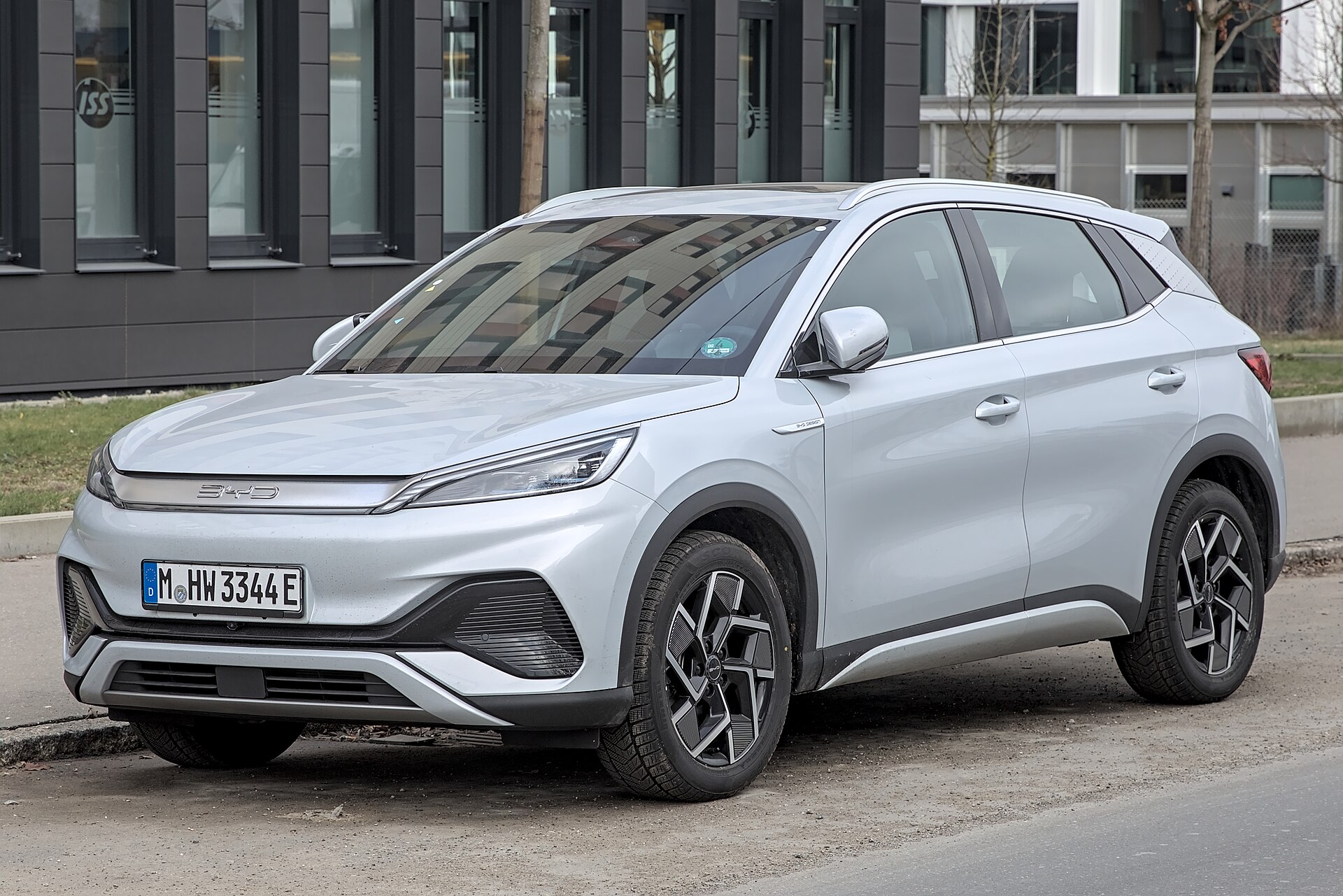
The Haval H6 uses petrol, so your running cost depends on fuel price and consumption. You should ask us for the fuel consumption figure or check the vehicle's documentation. The BYD Atto 3 is electric, so running cost depends on electricity price and consumption. In many markets, electricity can be cheaper per kilometer than petrol, but this varies. You must calculate using local energy prices and your expected daily mileage. Also consider maintenance: the H6 has an engine, transmission, and exhaust, while the Atto 3 has fewer moving parts. However, the Atto 3's battery may degrade over time, affecting range and resale. For a fleet, total cost of ownership includes fuel or electricity, maintenance, and tires. We recommend you request a detailed cost breakdown from us based on your specific route and load.
To compare running costs accurately, gather local fuel and electricity prices, then estimate consumption for each model. The H6's petrol engine will have a consumption figure in liters per 100 km, which you can multiply by fuel price. The Atto 3's electric consumption is in kWh per 100 km, multiplied by electricity price. You should also factor in routine maintenance intervals and parts costs. For the H6, oil changes, filters, and belts are typical. For the Atto 3, brake fluid and coolant checks are needed, but no oil changes. Battery health is critical for the Atto 3; ask for a state-of-health report. Without these numbers, you cannot know which is cheaper for your fleet. We can provide the vehicle specifications we have, but you must source local energy prices and service costs.
Parts Availability
Parts availability for the Haval H6 depends on your market. Haval has a growing presence in many regions, but you should check with local distributors or independent importers. For the BYD Atto 3, parts availability may be more limited because it is electric and newer. You need to confirm if your market has BYD service centers or parts suppliers. For both models, common wear items like brake pads, tires, and filters are often available from aftermarket sources. However, model-specific parts like body panels, sensors, or battery components may require ordering from overseas. As a fleet buyer, you should ask us about parts we can supply and their typical lead times, but we cannot promise specific delivery dates. You should also identify local mechanics trained on these models. For the Atto 3, high-voltage systems require specialized training. Without local parts and service, downtime can increase. We recommend you research your local aftermarket before committing to a fleet.
To assess parts availability, contact local parts dealers and ask if they stock components for the Haval H6 and BYD Atto 3. For the H6, you can also check with Haval dealers in your region. For the Atto 3, ask if they can order electric vehicle parts. You should also join owner groups or forums to learn about common failures and parts sources. For a fleet, keeping critical spares on hand reduces downtime. We can provide a list of parts we can supply with the vehicle, but you must verify local availability. Remember that the Atto 3's battery and electric motor are expensive if they fail, and replacements may take time to arrive. The H6's engine and transmission parts are more widely understood by mechanics. Your choice should depend on your ability to support each model locally.
Payload and Passenger Space
The Haval H6 is a 2020 SUV with a petrol engine, automatic transmission, and left-hand drive. It has 7,800 km. The BYD Atto 3 is a 2022 electric SUV, also automatic and left-hand drive, with 22,000 km. Both are SUVs, so they offer similar passenger space for five people. However, the H6 may have slightly different cargo volume due to its design. You should ask us for the exact dimensions and payload capacities if these are critical for your fleet. For passenger comfort, both have rear seats that fold down. The Atto 3's electric platform may provide a flat floor, which can improve rear legroom. The H6's petrol engine may take up space under the hood, but that does not affect cabin space. For fleet use, consider how many passengers you carry and how much cargo. If you need to carry heavy loads, check the payload rating. We do not have those numbers here, so request them from us.
To compare space, you should inspect both vehicles or request interior measurements. For passenger space, look at headroom, legroom, and shoulder room in both rows. For cargo, measure the trunk volume with seats up and folded. The Haval H6 and BYD Atto 3 are both five-seat SUVs, but the Atto 3's electric drivetrain may allow a lower load floor. The H6 may have a spare tire, while the Atto 3 might use a repair kit, affecting underfloor storage. For fleet buyers, consider if you need to carry tools, spare parts, or luggage. If you carry passengers, test the rear seat comfort. We can provide the vehicle specifications we have, but you should verify them against your requirements. Without exact payload figures, you cannot be sure which model suits your load. Always ask for the gross vehicle weight rating and curb weight to calculate payload.
Who Each One Suits
The Haval H6 suits fleet buyers who operate in areas with reliable petrol supply and where mechanics are familiar with internal combustion engines. It is a 2020 model with low mileage, so it may have many years of service left. If your fleet does mostly long-distance driving or you cannot access electric charging, the H6 is a practical choice. It also suits buyers who want a proven SUV design with widely available parts, though you must confirm local availability. The BYD Atto 3 suits fleet buyers who have access to charging infrastructure and want to reduce fuel costs. It is a 2022 model with 22,000 km, so it is newer but has more mileage. It may suit urban fleets with short daily routes where charging is easy. It also appeals to buyers who want to project an environmentally friendly image. However, you must ensure local support for electric vehicles. If your market lacks EV service, the Atto 3 may cause downtime. Choose based on your operational needs and local support.
For a fleet buyer, the decision depends on your routes, energy access, and maintenance capabilities. If you have a mixed fleet, you might consider both: the H6 for long routes and the Atto 3 for city work. But you should first check local regulations, incentives, and taxes for petrol versus electric vehicles. You should also consider resale value; electric vehicles may depreciate differently. We cannot advise on future values. We recommend you request a full inspection report for each vehicle and test them if possible. Also, ask us for any available service history. For the H6, check the timing belt and fluid changes. For the Atto 3, check the battery health report. Without these, you cannot make a fully informed choice. Your fleet's success depends on matching the vehicle to your specific operating conditions.
Frequently asked questions
- Which model has lower running costs?
- It depends on local fuel and electricity prices. The BYD Atto 3 may have lower energy costs per kilometer if electricity is cheap, but you must calculate using your local rates. The Haval H6's petrol costs vary with fuel prices. Request consumption figures from us and compare with your local energy prices.
- Are parts easy to find for both models?
- Parts availability varies by market. For the Haval H6, check with local Haval dealers and aftermarket suppliers. For the BYD Atto 3, confirm if local suppliers stock electric vehicle parts. We can supply some parts, but you must verify local availability and lead times.
- Which is better for carrying passengers and cargo?
- Both are five-seat SUVs with similar passenger space. The BYD Atto 3 may have a flat floor due to its electric platform, while the Haval H6 may have different cargo volume. Ask us for exact dimensions and payload ratings to compare against your needs.