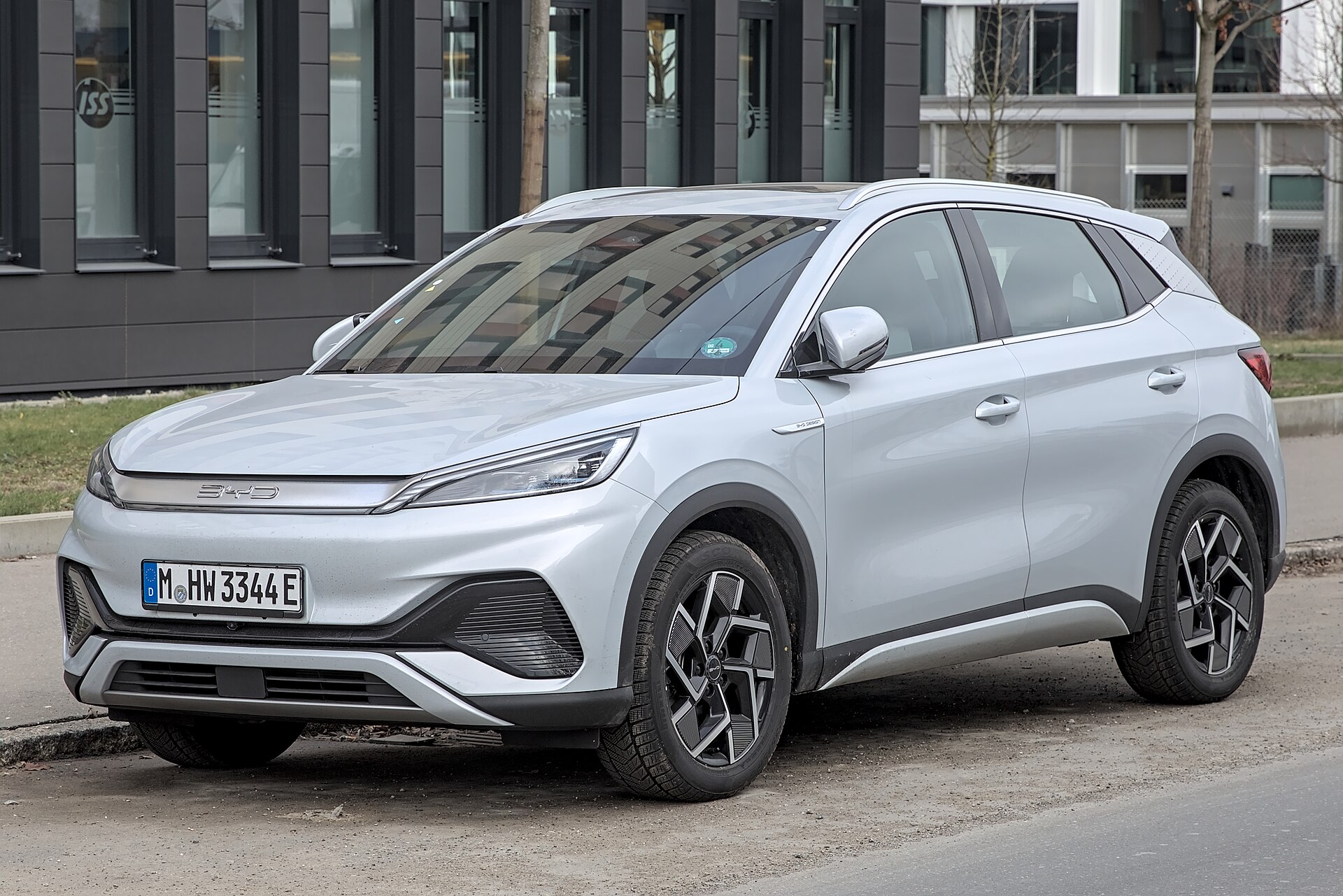
What the Haval H6 is like to own
The 2020 Haval H6 is a left-hand drive petrol SUV with an automatic transmission. This particular example shows 7,800 km, which is low for its year. For a reseller or fleet buyer, low mileage can mean less immediate wear on major components, but it does not replace a physical inspection. You should check the service history, confirm the mileage is genuine, and look for signs of accident repair or flood damage before you commit.
As a daily driver, the H6 offers a high seating position and space for five passengers, which suits family and fleet use. The automatic gearbox makes it easy in traffic. Fuel consumption depends on driving conditions and load, so ask the seller for real-world figures or test it on your own routes. The petrol engine is conventional, so it does not need special fuel or charging infrastructure, which helps in markets where diesel or electric support is limited.
Servicing and maintenance needs
Routine servicing for the Haval H6 follows standard petrol SUV practice: engine oil, filters, brake fluid, coolant, and transmission fluid at intervals set by the manufacturer. Because this is a 2020 model with low mileage, some fluids and rubber parts may still be original and could need replacement based on age rather than distance. Ask for the maintenance log and check whether the vehicle has been stored in a way that affects belts, hoses, and battery health.
For a trade buyer, the key is to plan servicing around local labor skills. The H6 is not as common as some Japanese or Korean SUVs in every export market, so find a workshop that has experience with Chinese brands or is willing to follow online service manuals. Basic items like oil filters and brake pads are usually easy to match by part number. More complex electronic or transmission repairs may need diagnostic tools that support the model.
Parts sourcing for resellers and fleets
Parts availability varies by country. In markets where Haval has an official presence, dealer networks can supply original components. In other markets, you will rely on independent importers or aftermarket suppliers. Before you buy a batch, identify local sources for common wear items: brake pads, filters, belts, hoses, and suspension bushes. For body panels and lights, check whether used or aftermarket options exist, because these can be slow to ship and expensive if sourced individually.
When you evaluate a supplier, ask for part numbers and compare them with the vehicle identification number. Do not assume that all H6 trims use the same components. For fleets, keeping a small stock of fast-moving parts reduces downtime. If you cannot find a local source, you can order from overseas, but you must factor in shipping time and customs. Always confirm the return policy and warranty terms with your parts supplier before you commit to a large order.
Buying checks for export
This vehicle is left-hand drive, petrol, automatic, and listed as a 2020 Haval H6 with 7,800 km. Before you ship it, verify the VIN, engine number, and title documents. Check that the vehicle matches the description and that there are no outstanding loans or legal holds. For export, you will need the correct customs paperwork and proof of ownership. Ask the seller for high-resolution photos and a video walkaround, especially of the underbody, engine bay, and interior.
Because you are buying to resell or run the vehicle, focus on total cost, not just the purchase price. Add freight, insurance, customs duties, and any reconditioning needed. If you plan to resell, research local market prices for similar SUVs and confirm what buyers expect in terms of service history and condition. Do not rely on the seller's claims alone. Use an independent inspection if possible, and only proceed when the documents and the vehicle match your requirements.
Who this Haval H6 suits
This H6 can suit importers who want a low-mileage petrol SUV for markets where automatic transmission and left-hand drive are standard. It may also fit fleet buyers who need a practical vehicle for staff or rental use, provided they can support servicing and parts. It is less suitable if you need a model with a very dense local dealer network, because that depends on your country. Check what is available in your market before you decide.
If you are considering this vehicle, start by confirming the exact trim level and options, because these affect parts and resale value. Ask the seller for the full specification sheet and any inspection reports. Then contact local workshops and parts suppliers to confirm they can support the model. Only after those steps should you negotiate price and shipping. This approach reduces the risk of buying a vehicle that is hard to service or resell in your target market.
Frequently asked questions
- Is the 2020 Haval H6 a good choice for export to Africa or the Middle East?
- It can be a practical choice if you can source parts and servicing in your target market. Check local demand for Chinese SUVs and confirm that workshops can handle the model before you buy.
- What should I check on a low-mileage Haval H6 before shipping?
- Verify the VIN, service history, and that the mileage is genuine, and inspect for accident or flood damage. Also confirm that all export documents are in order and match the vehicle.
- How do I find parts for a Haval H6 in my country?
- Contact local independent importers, aftermarket suppliers, and workshops that work with Chinese brands. Ask for part numbers tied to the VIN and compare availability and shipping times before you commit.