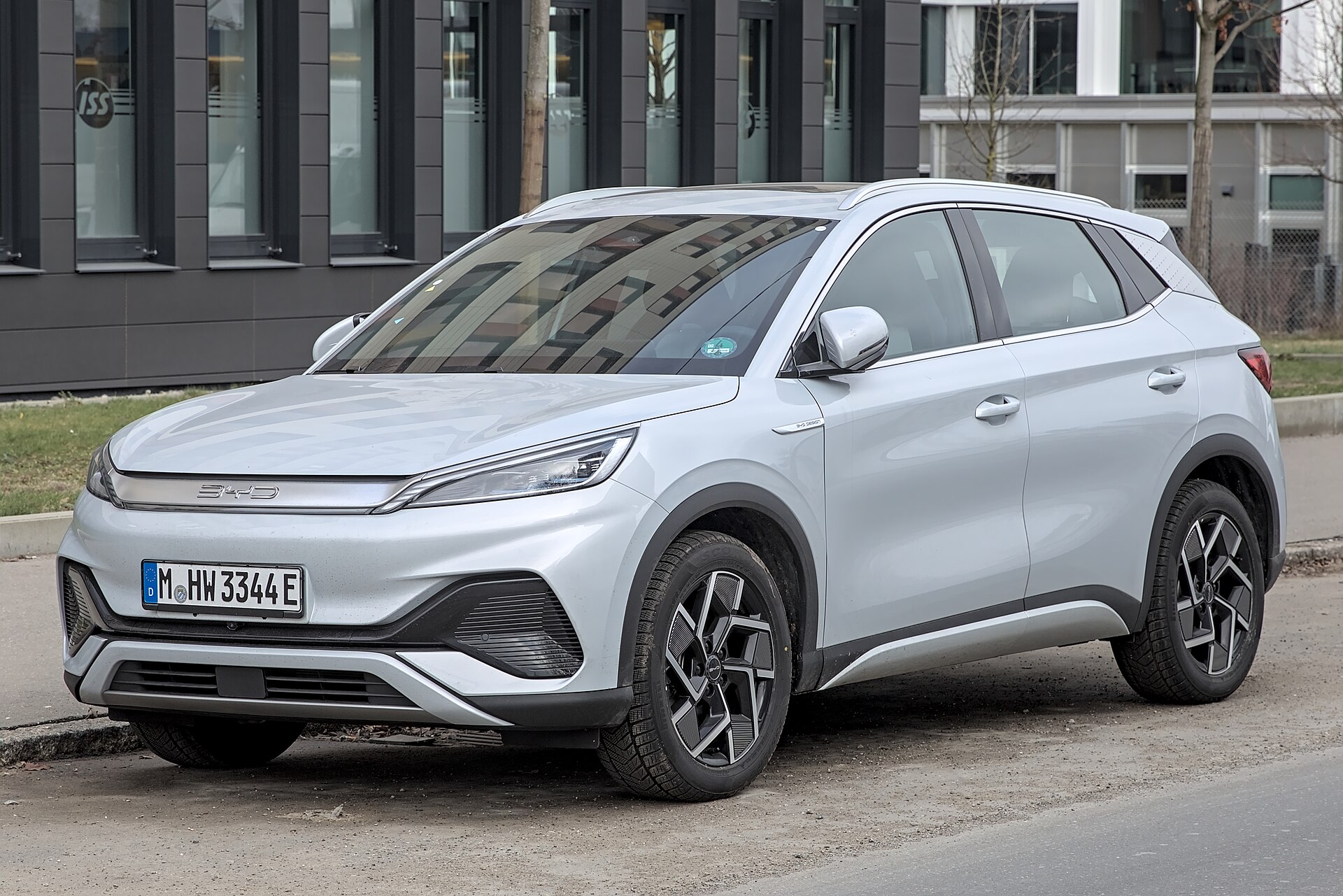
What the BYD Atto 3 Is
The BYD Atto 3 is a compact electric SUV from the Chinese manufacturer BYD. This 2022 model has 22,000 km on the odometer and is a left-hand drive automatic. It runs purely on electric power, so there is no petrol or diesel engine. For trade buyers in Africa, the Middle East, South America, and the CIS, it represents a modern EV option that can appeal to urban customers or fleet operators looking to reduce fuel costs.
As an SUV, it offers a higher seating position and more cabin space than a sedan. The Atto 3 is part of BYD's growing line of passenger EVs. Since it is a used vehicle, condition will vary, but the low mileage suggests it has not been heavily used. You should inspect the battery health and charging system carefully before purchase, as these are critical for any electric vehicle.
Ownership Experience for Resellers and Fleets
Owning an electric SUV like the Atto 3 is different from a conventional petrol or diesel vehicle. There is no engine oil, spark plugs, or exhaust system to maintain. Instead, you focus on the battery, electric motor, and charging components. For fleet buyers, this can mean lower routine maintenance costs, but it also requires access to charging infrastructure. In many markets, home or depot charging is essential, so consider how your customers will charge the vehicle.
Driving the Atto 3 is straightforward: it is an automatic, so no gear shifting is needed. The electric motor provides instant torque, which can feel quick off the line. However, range depends on driving conditions, temperature, and battery age. With 22,000 km, the battery may have lost some capacity, but without a diagnostic test, you cannot know exactly how much. Buyers should request a battery health report from the seller or arrange an independent inspection.
Service and Maintenance Considerations
Servicing an electric vehicle requires different skills and tools than a traditional car. Many independent workshops in your target markets may not yet be familiar with high-voltage systems. You should identify local service providers who have experience with EVs or are willing to be trained. BYD has a growing global presence, but dealer coverage varies by country. Check whether there is an authorized BYD service center in your area before committing to import.
Routine maintenance for the Atto 3 includes checking brake fluid, coolant, and tires, as well as software updates. The brake pads may last longer due to regenerative braking, but they still wear out. Cabin air filters and wipers are common items. For the high-voltage battery and motor, service is usually limited to diagnostics unless a fault occurs. Always use qualified technicians for any work on the electric drivetrain to avoid safety risks.
Sourcing Parts for the BYD Atto 3
Parts availability is a key concern for any imported vehicle, and the Atto 3 is no exception. As a relatively new model, aftermarket parts may be limited compared to established brands. Common wear items like brake pads, filters, and suspension components might be sourced through BYD's official parts network or specialized EV parts suppliers. Body panels and interior trim could be harder to find, especially in markets without a BYD presence.
To secure parts, establish a relationship with a reputable parts exporter in China or a regional distributor. Online marketplaces can also be a source, but verify quality and compatibility. For critical components like the battery pack or electric motor, you may need to go through BYD directly. Before importing, research what parts are readily available in your market and consider stocking fast-moving items. This will help you support customers and reduce downtime.
Buying and Importing Tips
When buying a used BYD Atto 3 for export, always request a full vehicle history report and a battery health certificate if possible. Inspect the charging port, cables, and onboard charger for damage. Check the tires for uneven wear, which can indicate alignment issues. Since it is a left-hand drive model, confirm it meets your country's regulations for LHD vehicles. Some markets have restrictions on importing used EVs, so verify local rules before purchase.
Shipping and customs procedures for electric vehicles may differ from conventional cars. Batteries are classified as dangerous goods, so some shipping lines have specific requirements. Work with a freight forwarder experienced in EV exports. Also, consider the total cost of import, including duties, taxes, and any incentives for electric vehicles in your market. These can vary widely, so consult a customs broker. Do not rely on estimates; get exact figures from official sources.
Frequently asked questions
- What should I check on a used BYD Atto 3 before buying?
- Focus on battery health, charging system, and any signs of accident damage. Request a diagnostic report and service records if available.
- Are parts for the BYD Atto 3 easy to find?
- Parts availability varies by region. Common items may be sourced through BYD or aftermarket suppliers, but body and EV-specific parts can be harder to find.
- Can I import a left-hand drive BYD Atto 3 to my country?
- Check your local regulations for used EV imports and left-hand drive vehicles. Some countries have restrictions or require modifications.