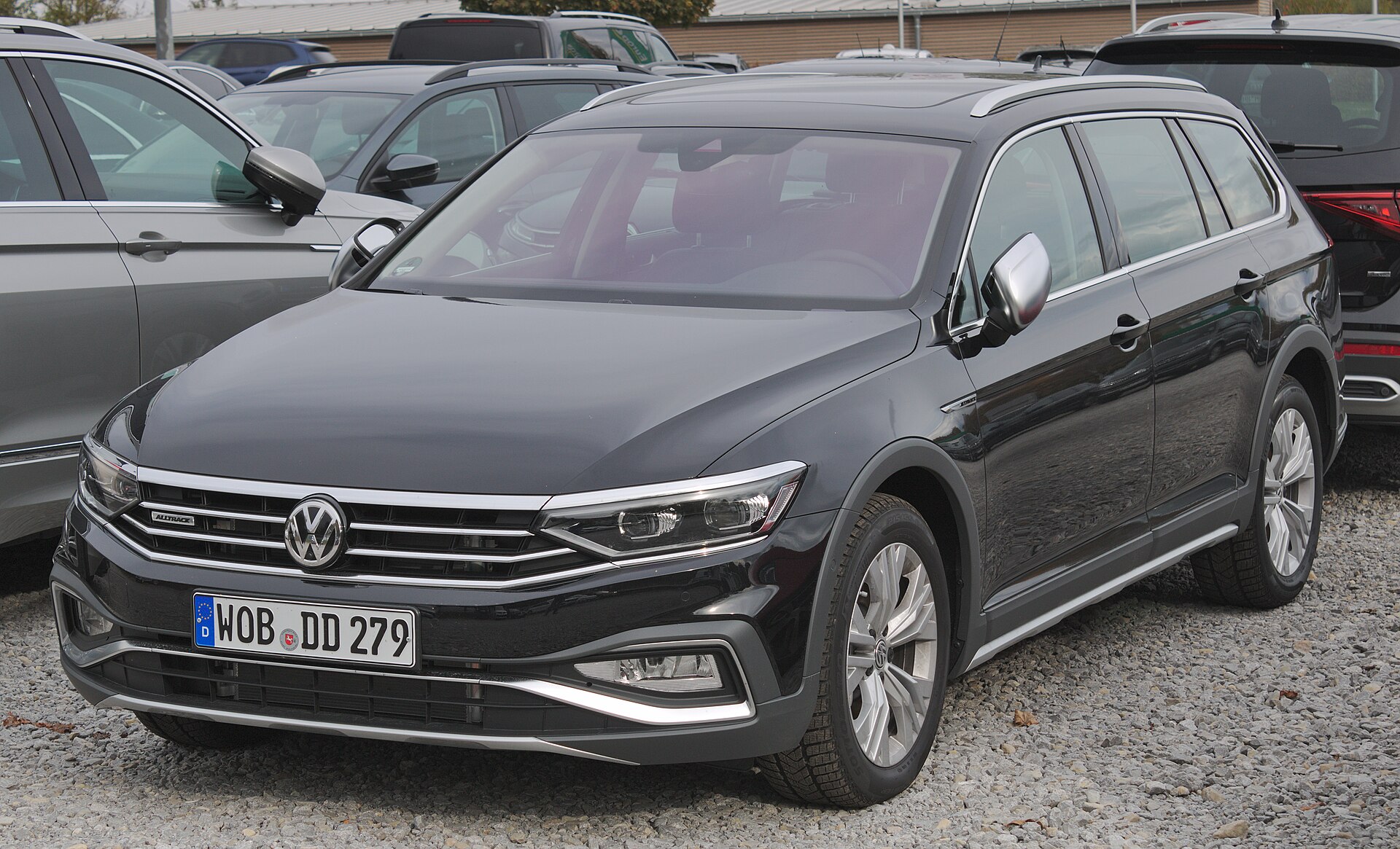
Enquiry and Vehicle Confirmation
Start by identifying the exact vehicle you need. For a Volkswagen Passat, confirm the model year, mileage, transmission, fuel type and drive configuration. The example here is a 2019 Passat with 73,000 km, automatic transmission, diesel fuel and left-hand drive. When you contact a dealer, provide these details and ask for the current price. Since prices change with market conditions, request a written quotation that includes the vehicle cost and any export-related charges.
Your enquiry should also cover availability. Ask whether the specific vehicle is in stock or must be sourced. If it is not in stock, ask for an estimated timeline to find a similar unit. Clarify what documentation the dealer will provide, such as the vehicle registration, export certificate and bill of lading. Also confirm the port of loading and the expected destination port. These details help you plan the entire import process and avoid surprises later.
Inspection and Condition Report
Before paying, arrange an inspection. If you cannot visit in person, ask the dealer for a detailed condition report with photos and videos. The report should cover the exterior, interior, engine bay, undercarriage and tyres. For a 2019 Passat with 73,000 km, pay attention to wear items like brake pads, suspension components and timing belt if applicable. Ask for a cold-start video and a walkaround showing any scratches or dents.
You may also hire a third-party inspection service in the country of export. This adds cost but provides an unbiased assessment. If the dealer refuses an independent inspection, treat that as a warning sign. Request the vehicle identification number (VIN) and check it against the documents. A professional inspection can reveal accident damage, flood history or mechanical faults that are not obvious in photos. Always review the inspection report before making any payment.
Payment Terms and Methods
Payment terms vary by dealer and order size. For a first import, expect to pay a deposit to secure the vehicle, with the balance due before loading or against documents. The deposit amount and balance schedule should be agreed in writing. Common payment methods include bank transfer (T/T) and letters of credit (L/C). Bank transfer is simpler but offers less protection. An L/C adds cost and complexity but can protect both parties if the terms are clear.
Never pay the full amount without a contract. The contract should state the vehicle details, price, payment schedule, delivery terms (such as FOB or CIF) and documents the seller will provide. Confirm who pays for inland transport, export clearance and loading. Ask for a proforma invoice before sending money. Keep records of all transactions. If the dealer asks for payment to a personal account, be cautious. Use a company account and verify the beneficiary name matches the dealer.
Loading, Shipping and Documents
Once payment is settled, the dealer arranges loading. For a sedan like the Passat, it may be shipped in a container or on a RoRo vessel. Ask which method will be used and what is included. The dealer should provide a bill of lading, commercial invoice, packing list and certificate of origin. For used vehicles, some countries also require an export certificate or deregistration document. Confirm the documents you need for your destination country before shipping.
After loading, request the bill of lading and vessel details. Track the shipment using the container or booking number. The original documents are usually couriered to you or sent via bank. Do not release payment to the dealer until you have copies of all documents. Check that the VIN on the documents matches the vehicle. Any discrepancy can cause customs delays. Keep digital and physical copies of every document for your records and for customs clearance.
Customs Clearance and Final Steps
When the vehicle arrives at your port, customs clearance begins. You or your customs broker will submit the bill of lading, invoice, packing list and certificate of origin. You will also need to pay import duties and taxes based on the vehicle's value and your country's rules. For a used Passat, the customs value may be assessed using the purchase price or a reference value. Check with your local customs authority for the exact requirements and rates.
After duties are paid, arrange transport from the port to your location. Inspect the vehicle immediately upon delivery. Compare its condition to the pre-shipment inspection report. If there is damage, document it with photos and notify the dealer and shipping line promptly. For future orders, use the experience to refine your checklist and payment terms. A smooth first import depends on clear communication, verified documents and patience throughout the process.
Frequently asked questions
- How do I find the current Volkswagen Passat price?
- Request a written quotation from a dealer, specifying the 2019 Passat with 73,000 km, automatic, diesel, left-hand drive. Prices vary, so ask for a proforma invoice that includes vehicle cost and export charges.
- What documents should I expect for a Passat import?
- The dealer should provide a bill of lading, commercial invoice, packing list and certificate of origin. Some countries also require an export certificate or deregistration document. Confirm your destination country's requirements before shipping.
- Can I inspect the vehicle before paying?
- Yes, always arrange an inspection. If you cannot visit, ask for a detailed condition report with photos and videos, or hire a third-party inspector. Review the report before making any payment.