How the used Nissan Leaf import process works
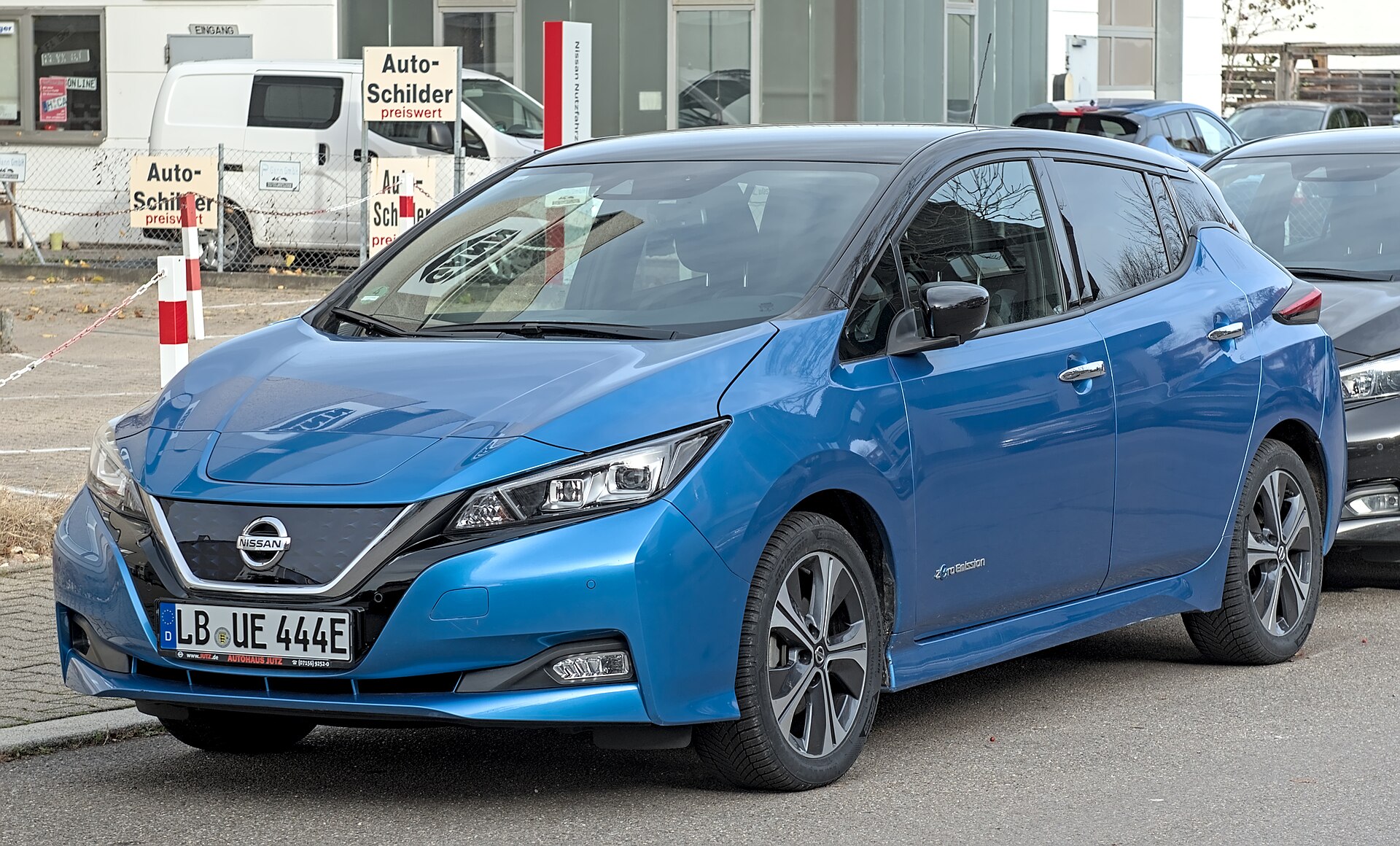
When you see a used Nissan Leaf for sale from an export dealer, the process starts with confirming the exact vehicle details. For example, a 2020 Nissan Leaf with 41,000 km, automatic transmission, electric fuel, left-hand drive and hatchback body is a specific unit. You then agree terms, arrange payment and shipping, and handle customs clearance in your destination country. Each step involves documents and checks that protect your investment.
The Leaf is a battery electric hatchback, so the import process differs from a diesel or petrol car. You need to verify battery health, charging equipment and whether the car meets your country's regulations for electric vehicles. Because the Leaf is left-hand drive, it suits markets that drive on the right. Always confirm the vehicle identification number and ask for original export documents before paying.
Key checks before you commit to buy
Start with the battery. Ask for a state-of-health report from a qualified technician. The Leaf's range depends on battery condition, and a 2020 model with 41,000 km may have some degradation. Also check the charging port, cables and whether the car comes with a portable charger. Inspect the tires, brakes and suspension, since these wear faster on heavier electric cars. Request photos and videos of the undercarriage and battery compartment.
Next, verify the paperwork. You need the original registration, export certificate and proof of ownership. Check that the VIN on the car matches the documents. For electric vehicles, some countries require a battery health certificate or compliance with local safety standards. Ask your dealer for these before shipping. If any document is missing, you may face delays or extra costs at customs.
What catches trade buyers out
One common trap is assuming all used Nissan Leaf cars have the same battery. Older or high-mileage Leafs may have significantly reduced range. A 2020 model with 41,000 km is relatively young, but battery health still varies. Another issue is charging infrastructure: in some markets, public charging is limited, so buyers should plan for home or depot charging. Also, the Leaf uses a CHAdeMO fast-charging port in many versions, which may not be common in your region.
Import regulations can also surprise you. Some countries restrict the import of used electric vehicles or require modifications like daytime running lights or child seat anchors. Others impose high taxes based on battery capacity or vehicle age. Always check with your local customs authority and a licensed clearing agent before you buy. Do not rely on general advice; rules change and vary by port.
How to verify details and avoid mistakes
To confirm the vehicle's condition, hire an independent inspector in the country of export. They can test the battery, check for accident damage and verify the mileage. Ask for a written report with photos. If you cannot inspect in person, use a reputable third-party service. For the 2020 Nissan Leaf with 41,000 km, the inspector should confirm that the odometer reading is genuine and that the battery has not been replaced without documentation.
For pricing, freight and lead times, request a detailed quotation from your dealer that lists all costs: vehicle price, export fees, shipping, insurance and destination charges. Do not accept a single lump sum without a breakdown. Compare quotes from multiple dealers, but remember that the cheapest option may cut corners on inspections or documents. Always pay through secure methods and keep records of every transaction.
Making the most of your Leaf import
Once the car arrives, test it thoroughly before registering it. Check that the charging system works with your local power supply and that all accessories are present. For fleet buyers, consider how the Leaf fits your routes: its range may suit urban deliveries or staff transport, but not long-distance trips. Plan charging schedules and train drivers on electric vehicle operation. Keep spare charging cables and adapters on hand.
Finally, think about resale value. Electric vehicle technology changes quickly, and battery health affects resale. Keep all service records and battery reports. If you maintain the car well, it can serve your fleet for years. For importers, repeat business depends on transparency and reliable vehicles. Always disclose battery condition to your customers, and provide them with the same documentation you received.
Frequently asked questions
- How do I check the battery health of a used Nissan Leaf?
- Ask for a state-of-health report from a qualified technician or use an independent inspector. The report should show remaining battery capacity and any degradation.
- What documents do I need to import a used Nissan Leaf?
- You need the original registration, export certificate, proof of ownership and a commercial invoice. Some countries also require a battery health certificate or compliance with local electric vehicle standards.
- Can I import a left-hand drive Nissan Leaf to my country?
- Only if your country allows left-hand drive vehicles. Check with your local customs authority, as many markets that drive on the left prohibit them.