Start with a clear enquiry
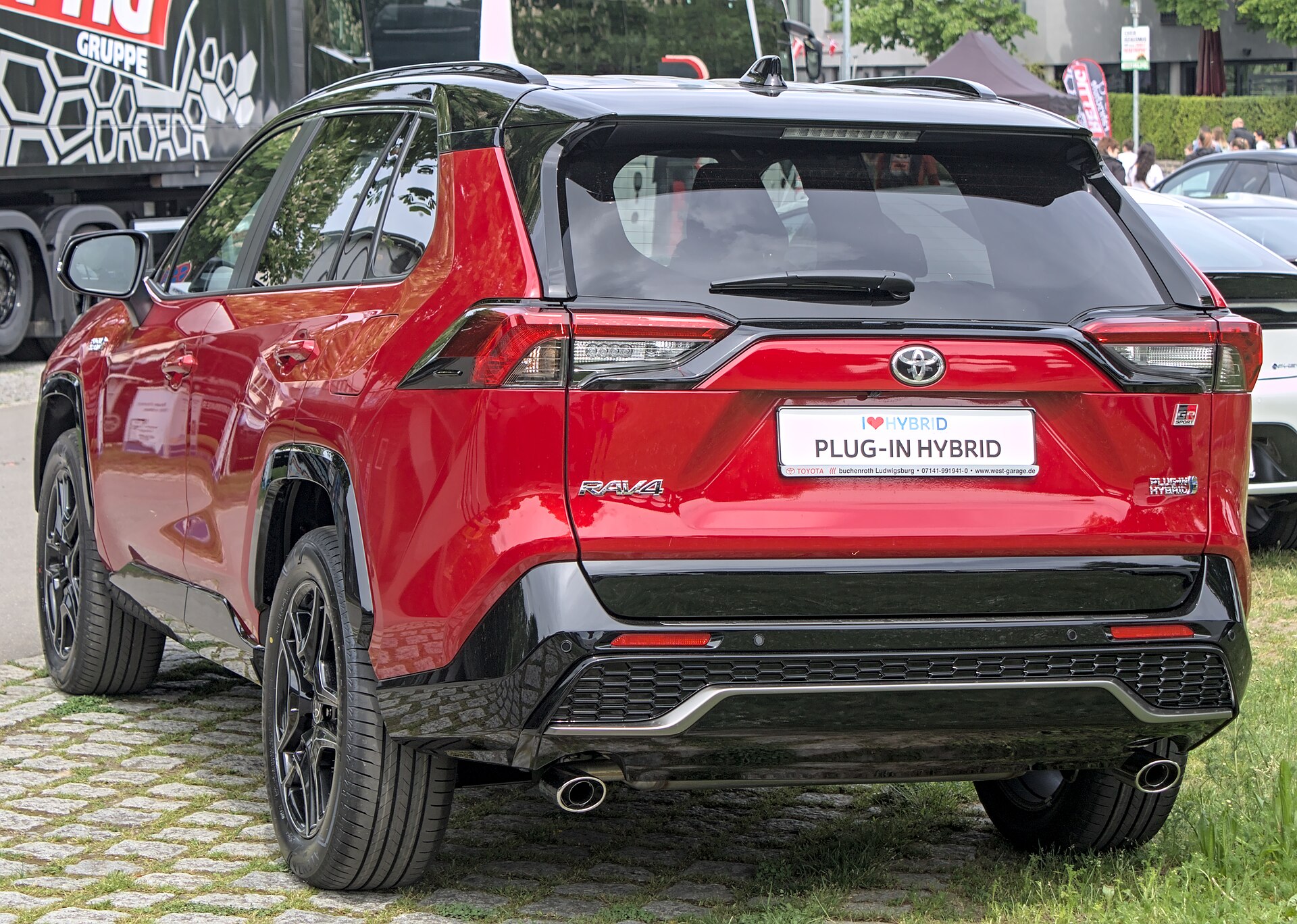
When you begin your search for a Toyota RAV4 price, you should send a detailed enquiry to your supplier. Include the exact model, year, mileage, transmission, fuel type, drive side and category. For example, a 2021 Toyota RAV4 with 39,000 km, automatic, hybrid, left-hand drive, SUV. Ask for the current price and any available photos or inspection reports. This helps the supplier understand your needs and respond accurately.
Your enquiry should also state your destination country and port. This matters because customs rules and shipping costs vary by location. Ask the supplier to confirm what is included in the quoted price and what is not. Do not assume anything. If you need a specific number, such as freight cost, ask the supplier to provide it in writing. Keep all communication clear and documented for your records.
Inspection before you commit
Before you pay, arrange an inspection of the vehicle. You can ask the supplier for a third-party inspection report or hire an independent inspector. The inspection should cover the engine, hybrid battery, transmission, body, interior and undercarriage. For a 2021 RAV4 hybrid with 39,000 km, check the battery health and service history. Photos and videos are helpful, but a physical inspection is better if possible. Do not rely only on the supplier’s description.
If you cannot inspect in person, ask for a detailed video walkaround and a cold start video. Request the vehicle identification number (VIN) and check it against the documents. A reputable supplier will not hesitate to provide these. If the supplier refuses an inspection, treat it as a warning sign. Remember that you are buying a used vehicle, so condition matters. The inspection helps you avoid unexpected repair costs after import.
Payment and loading
Once you are satisfied with the inspection, discuss payment terms with your supplier. Common methods include bank transfer or letters of credit. Never send money to a personal account. Use a business account and get a proforma invoice that lists the vehicle details, price and payment terms. Pay according to the agreed schedule, which may include a deposit and balance before loading. Keep proof of every payment.
After payment, the supplier will arrange loading onto a vessel. Ask for the loading date, port of loading and estimated arrival time. You should receive photos of the vehicle being loaded and the bill of lading once issued. The bill of lading is a key document for customs clearance. Confirm the vehicle is secured and protected for shipping. Do not assume loading happens immediately; ask for updates.
Documents you need
For a used vehicle import, you will need several documents. These typically include the bill of lading, commercial invoice, packing list, certificate of origin and export certificate. The supplier should provide these. You may also need the vehicle title and a copy of the inspection report. Check with your local customs authority for any additional requirements, such as import permits or pre-shipment inspection certificates. Missing documents can delay clearance.
Ensure all documents match the vehicle details exactly. The VIN, model, year and mileage should be consistent across all papers. If you find discrepancies, ask the supplier to correct them before the vehicle arrives. Keep digital and physical copies of everything. Your customs broker will need these to clear the vehicle. Do not wait until the last minute to gather documents.
Customs clearance and final steps
When the vehicle arrives at your port, customs clearance begins. You or your broker will submit the documents to customs and pay any duties, taxes and fees. The amount depends on your country’s rules and the vehicle’s value. Ask your broker for a breakdown of all charges before the vehicle arrives. Once cleared, you can arrange transport to your location. Inspect the vehicle upon delivery for any shipping damage.
If you are new to importing, hire a customs broker to handle the process. They can help you avoid mistakes and delays. After clearance, register the vehicle according to local laws. Keep all import documents for your records. For future orders, review what went well and what could be improved. This first order will give you experience for the next one.
Frequently asked questions
- How do I find the current Toyota RAV4 price for export?
- Ask your supplier for a written quote that includes the vehicle details and terms. Prices vary by model, year, mileage and destination, so always request a specific quote for the exact vehicle you want.
- What documents are required to import a used Toyota RAV4?
- You typically need a bill of lading, commercial invoice, packing list, certificate of origin and export certificate. Check with your local customs authority for any additional requirements.
- Can I inspect the vehicle before paying?
- Yes, you should arrange an inspection before payment. You can request a third-party inspection report or hire an independent inspector to check the vehicle’s condition.