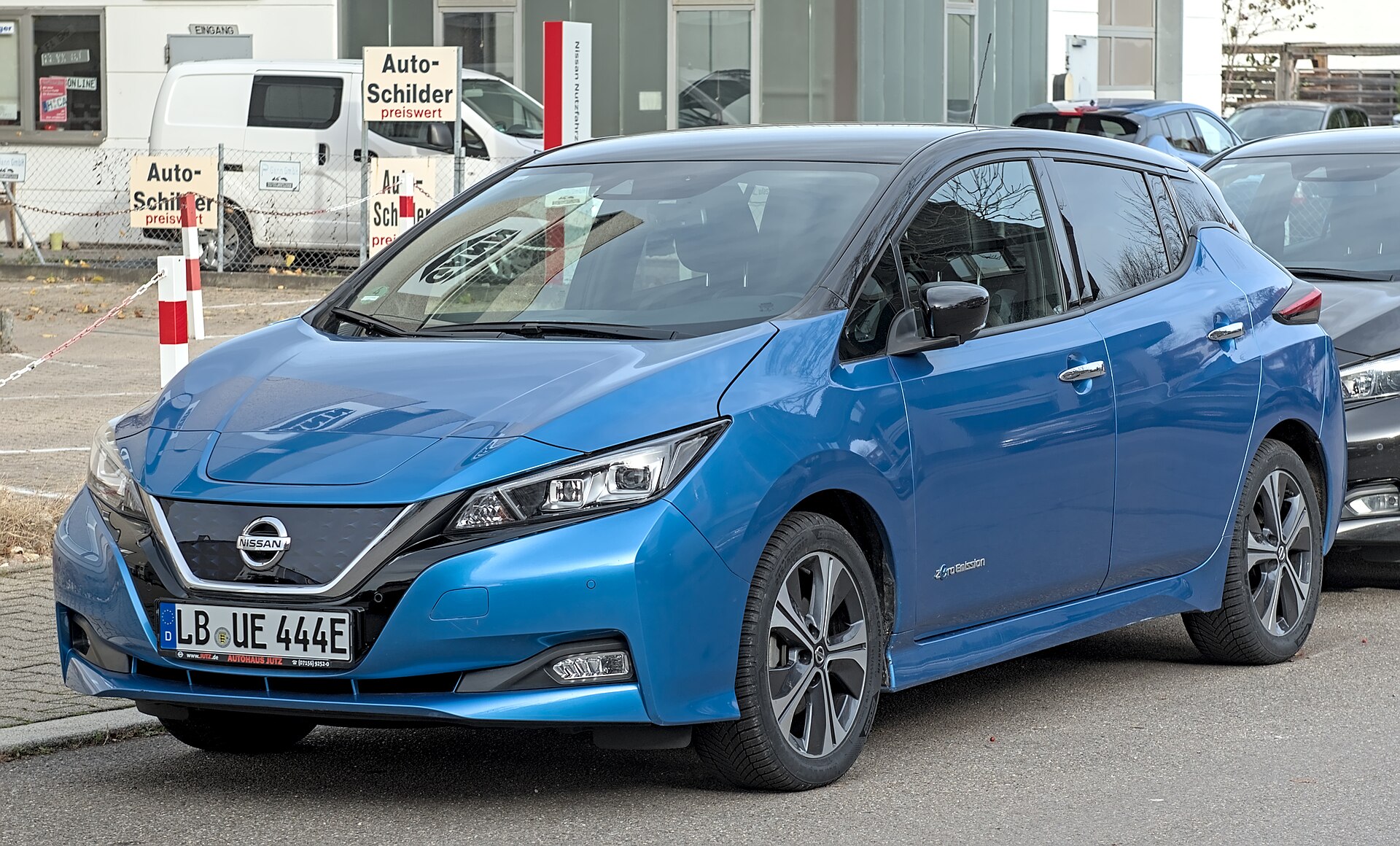
Enquiry and Vehicle Details
When you search for a Nissan Leaf price, start by confirming the exact vehicle you need. A 2020 Nissan Leaf with 41000 km, automatic transmission, electric fuel, left-hand drive, and hatchback body is a common request. Send the dealer these details in writing so they can check availability and prepare a tailored offer. Ask for the total price including any export fees, but do not expect a final figure until inspection and logistics are clear.
Your enquiry should also state your destination country and port. This helps the dealer calculate freight and document requirements. Ask for clear photos and a video walkaround of the specific car, not a generic model image. Request the vehicle identification number (VIN) early so you can verify history where possible. Keep all communication in one thread to avoid confusion. A written record protects both sides if questions arise later.
Inspection and Condition Report
Before paying, arrange an inspection. For a used electric hatchback like the Nissan Leaf, focus on battery health, charging equipment, and any signs of accident repair. Ask the dealer for a condition report that lists scratches, dents, tyre tread, and whether the charging cable is included. If you cannot inspect in person, hire a third-party inspector in the country of sale. Their report should be shared with you before you commit to purchase.
The inspection should also confirm the odometer reading and that the car starts and drives. For an electric vehicle, request the state of health (SOH) of the battery if available, but do not accept a verbal estimate. Ask for a screenshot from a diagnostic tool. If the dealer cannot provide this, treat it as a gap and decide whether to proceed. Remember that a 2020 Leaf with 41000 km may still have battery degradation, so verify before you buy.
Payment and Loading
Once you accept the inspection, agree on payment terms in writing. Most export deals use a deposit to reserve the vehicle and the balance before loading. Never send money to a personal account; use a company account that matches the dealer name on the invoice. Ask for a proforma invoice that lists the vehicle details, VIN, total price, and payment milestones. Keep copies of every transfer. If the dealer asks for full payment upfront, consider it a risk and negotiate.
After payment clears, the dealer arranges loading. For a hatchback, it is usually loaded into a container or onto a ro-ro vessel. Ask for photos of the car being loaded and the container number or booking reference. Confirm whether the price includes inland transport to the port and terminal handling. Do not assume loading is immediate; ask for a realistic schedule but do not accept a guaranteed date. Your role is to track the booking and prepare for documents.
Documents and Customs Clearance
The dealer must provide a set of export documents. These typically include the bill of lading, commercial invoice, packing list, and certificate of origin. For a used electric vehicle, you may also need a battery declaration or dangerous goods form, depending on the shipping line. Ask the dealer to send scanned copies before the originals are couriered. Check that the VIN, description, and price match your invoice exactly. Any mismatch can delay customs in your country.
On arrival, your customs broker will use these documents to clear the car. You will need to pay import duty, value added tax, and any port charges. The exact amounts depend on your country's rules, so ask a local broker for a written estimate before you buy. Do not rely on the dealer for customs advice. Once cleared, arrange transport from the port to your yard. Keep all documents for registration and resale. A complete file makes the process smoother.
After Arrival and First Checks
When the Nissan Leaf reaches you, inspect it again against the condition report. Check the battery charge level, tyre condition, and that the charging cable is present. Test the lights, brakes, and air conditioning. If you find undisclosed damage, contact the dealer immediately with photos. Do not start repairs before you have documented the issue. For electric cars, also check that the charging port is not damaged and that the car accepts a charge.
For resale or fleet use, you will need to register the car locally. That requires the original bill of lading, invoice, and customs release. Some countries also require a roadworthiness test. Budget for these steps in your total cost. Remember that a used Leaf price is only one part of the landed cost. Freight, duty, and clearing fees can add significantly. Plan your cash flow accordingly and keep a contingency for unexpected charges.
Frequently asked questions
- What should I check on a used Nissan Leaf before importing?
- Focus on battery state of health, charging equipment, and accident history. Ask for a third-party inspection report and a diagnostic screenshot before you pay.
- How do I pay for a Nissan Leaf import order safely?
- Use a company bank account that matches the dealer invoice and pay in milestones, such as a deposit then balance before loading. Never send money to a personal account.
- What documents do I need to clear customs for a used electric car?
- You will typically need a bill of lading, commercial invoice, packing list, and certificate of origin. For an electric vehicle, the shipping line may also require a battery declaration.